
Last updated November 16, 2026
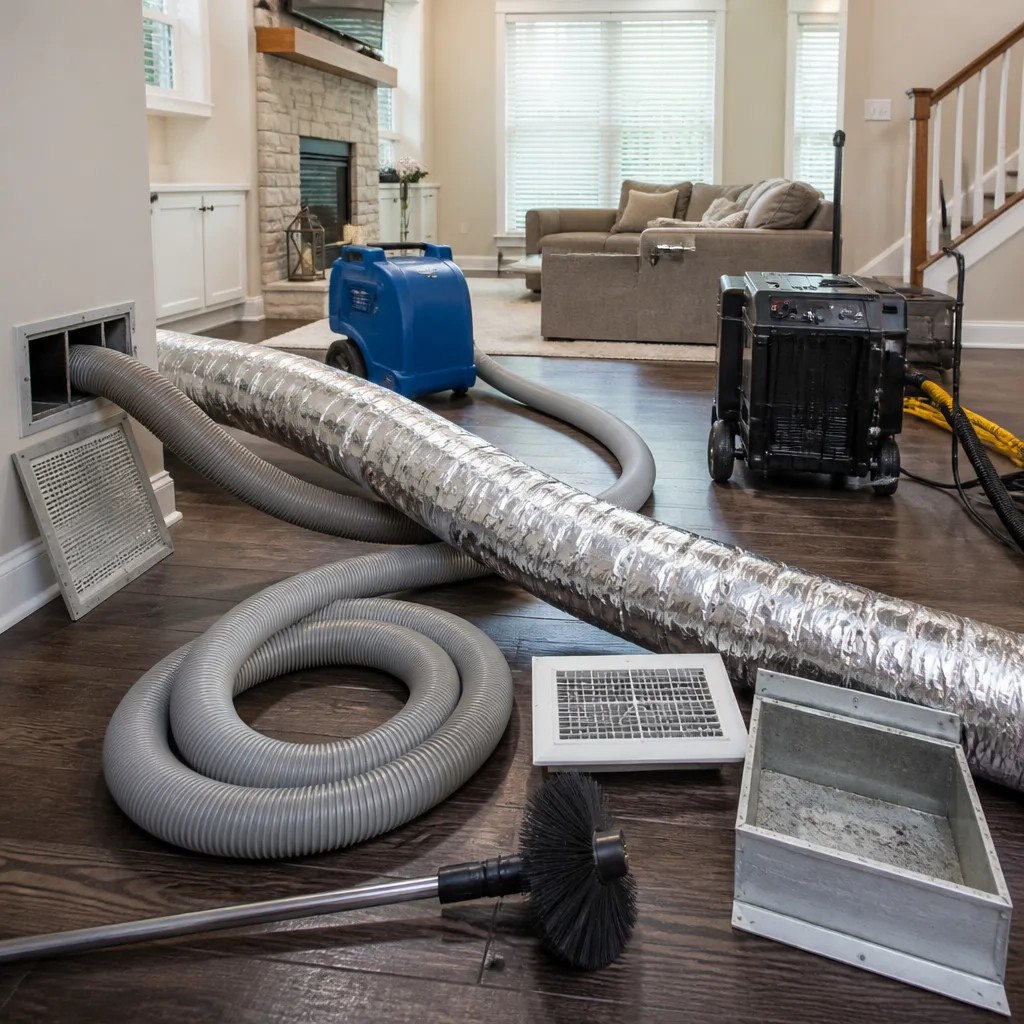 Whole-home duct cleaning
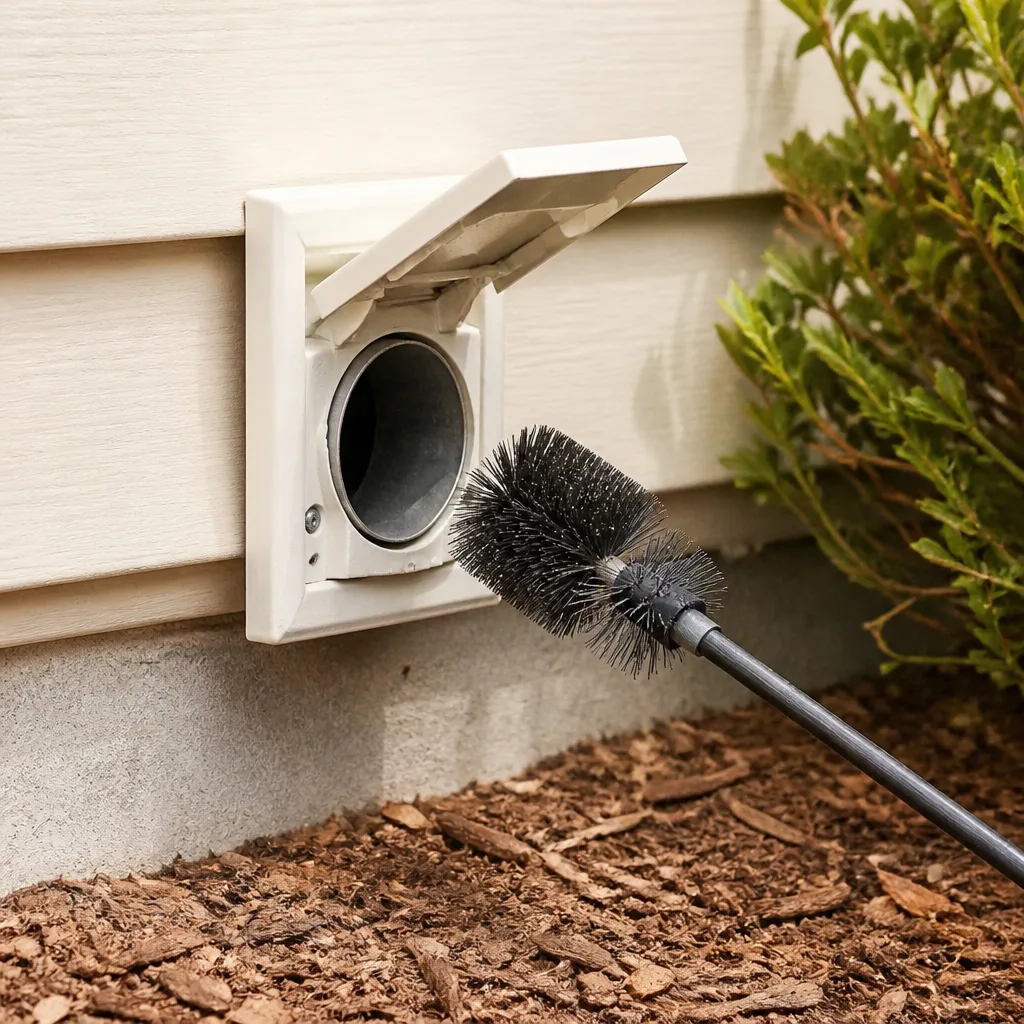 Dryer vent cleaning
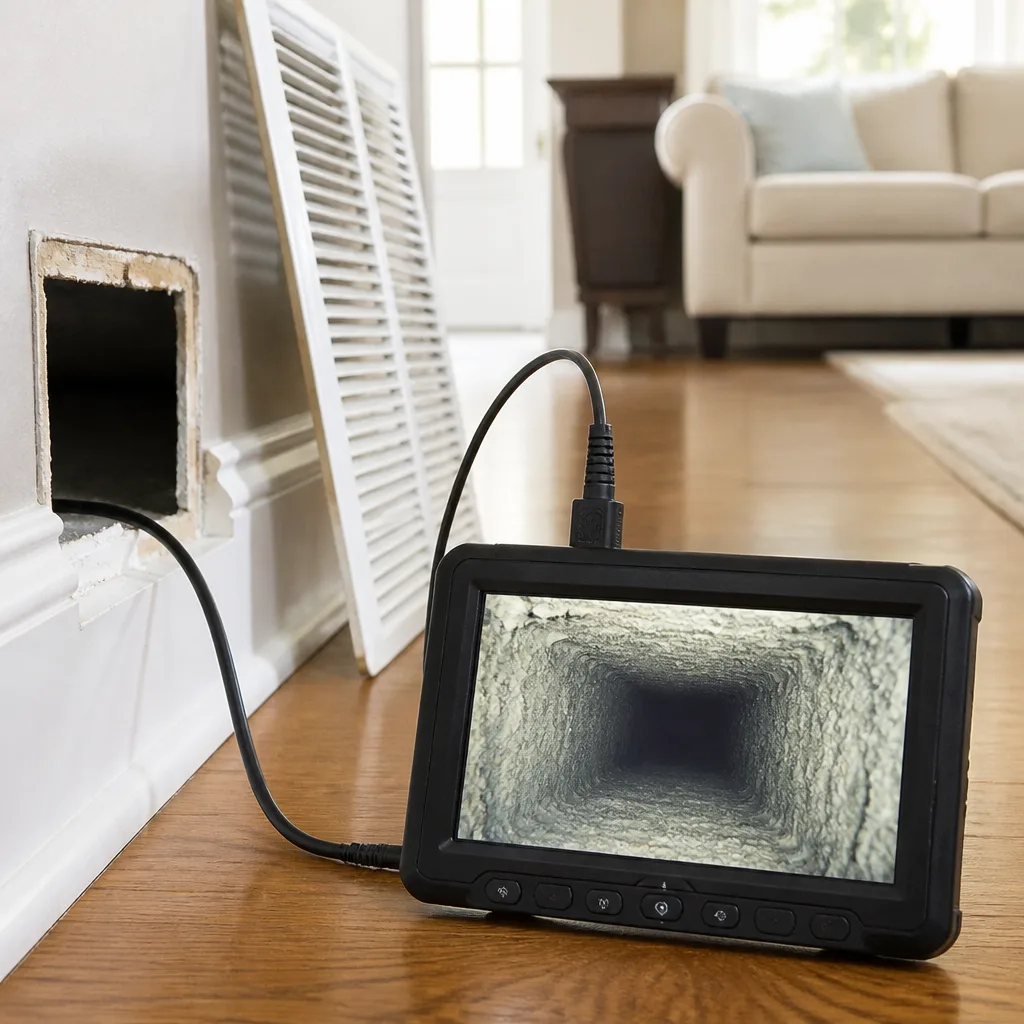 Camera inspection
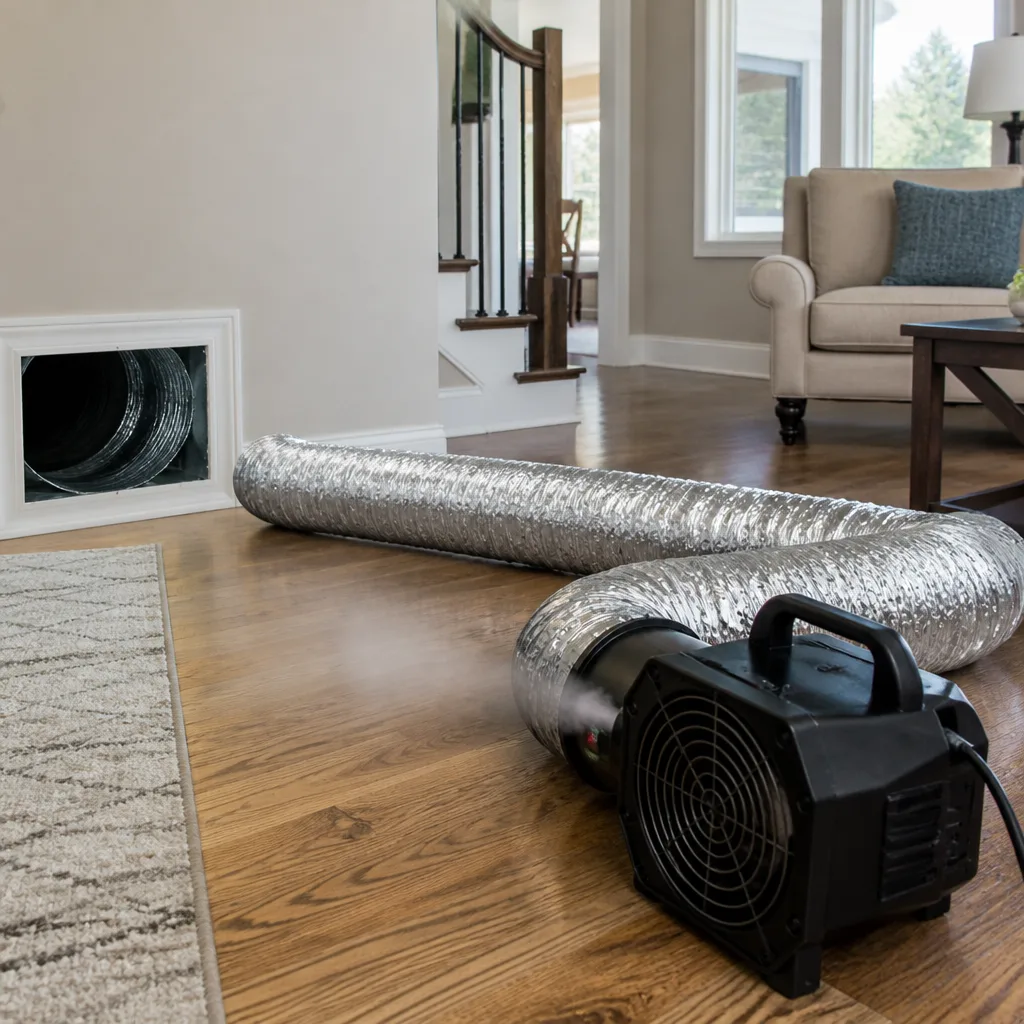 Sanitizing & deodorizing
Whole-system duct and dryer vent check with before-and-after photos - you see exactly what came out of your vents
That "$99 whole-house special" is a bait ad - the real number appears once they are in your hallway, or the "clean" is a shop-vac at the register. We photograph the inside of your ducts before and after instead.
Air Duct Cleaning Warning Signs: A Highlands Ranch Homeowner’s Reference Guide
If one room in your home is always dustier than the others, the problem is almost never that room. It’s the duct branch serving it, and the dust is telling you something specific about airflow, buildup, or a break in the line. Most homeowners read these clues as HVAC trouble, seasonal allergies, or just the smell of an older house, and they spend money on the wrong fix. This guide walks through the signs that actually point back to your duct system, how to tell a duct problem from an equipment problem, and what each symptom usually means in a Highlands Ranch home. By the end you’ll know what to check, what to ignore, and when to call someone.
Quick Answer
The main warning signs of a duct problem are uneven dust from room to room, musty or burning odors that change with your HVAC cycle, visible mold at a register, and a recent renovation that pushed drywall dust into the system. In Highlands Ranch, the dry climate and heavy construction activity make these signs show up faster than in most markets. If you notice two or more at once, it’s worth having the system inspected rather than guessing at the cause.
Styles & brands we work with
- Whole-home duct cleaning
- Dryer vent cleaning
- Camera inspection
- Sanitizing & deodorizing
Table of Contents
- Why Uneven Room Dust Is Your Best Diagnostic Tool
- Reading Odor Patterns: What Each Smell Points To
- How to Tell a Duct Problem from an HVAC Problem
- What Visible Mold at a Register Really Means
- New Construction and Renovation Warning Signs in Highlands Ranch
- Airflow Clues You Can Check Without Tools
- When a Cleaning Is the Wrong Answer
- The Dryer Vent Sign Most Homeowners Miss
Why Uneven Room Dust Is Your Best Diagnostic Tool
A dust pattern across your home is a map of your duct system’s performance. When one room collects noticeably more dust than its neighbors, the branch serving that room is either restricted, leaking, or pulling debris from somewhere it shouldn’t. Rooms that share a trunk line usually show similar dust levels if the trunk is clean. The outlier room is the one to investigate.
Here’s how to run this check yourself, without any instruments:
- Pick a horizontal surface in three or four rooms at the same height, like windowsills or the tops of door frames. Note the dust level in each after a week of normal activity.
- Compare rooms served by the same trunk line against rooms on separate branches.
- Pay attention to whether the dusty room is the farthest run from the air handler, which often points to reduced velocity at the end of the line.
- Check whether the dusty room sits over a garage, crawlspace, or unconditioned attic. In Highlands Ranch, where most homes have some unconditioned space around the living area, a leak in a duct running through that space will pull in outside dust constantly.
A dusty room that also feels stuffier, or that never seems to reach the temperature of the rest of the house, is a stronger signal than dust alone. When dust, air volume, and temperature all track together from room to room, you’re looking at a duct branch problem, not a furnace problem. That’s the first distinction this whole guide builds on.
Reading Odor Patterns: What Each Smell Points To
Smells are the fastest way to narrow down a duct problem, but only if you track when they appear. A musty smell that hits for a few seconds when the system starts and then clears is different from a musty smell that stays in a room for hours. The first points to moisture sitting somewhere in the system that gets disturbed on startup. The second points to an ongoing source, like a wet patch of insulation or a duct running through damp ground space.
The type of smell matters too:
- Musty and brief at startup: often condensation in the air handler or a short duct run that stays cool and holds moisture. Common in Highlands Ranch basements where the temperature swing between seasons is wide.
- Musty and persistent in one room: usually a leak in that branch, pulling air from a crawlspace or wall cavity.
- Dusty or earthy smell when the heat first comes on: normal for a few minutes at the start of the heating season, but if it lingers past the first cycle, debris is sitting on the heat exchanger or in the supply trunk.
- Burning or hot-metal smell: this is an equipment signal, not a duct signal. Shut the system down and call an HVAC technician. We don’t clean past a burning smell until it’s been diagnosed.
- Mechanical or grinding smell with a metallic edge: a blower or motor issue, not a duct issue. Also an HVAC call.
The distinction between a duct smell and a mechanical smell saves homeowners real money. If you call a duct cleaner for a burning smell, they should tell you to call an HVAC technician first. If they clean anyway, that tells you something about how they work.
How to Tell a Duct Problem from an HVAC Problem
Duct problems and HVAC problems produce overlapping symptoms, and this is where most Highlands Ranch homeowners lose time and money. The good news is that a few simple observations, made before you call anyone, will usually point you in the right direction.
Try these observations over a week:
- Write down the temperature in each room at the same time each day, with the system running and again an hour after it stops.
- Note whether the gap between the warmest and coolest room stays consistent or changes with the outdoor temperature.
- Put a tissue against each supply register. If the airflow is clearly weaker in one register than the others, that’s a duct restriction, not a compressor or blower issue.
- Listen at the return grille. A whistle or a strong whoosh suggests the return is undersized or partly blocked, a duct-side problem.
- Check the air filter. A clogged filter starves the whole system and mimics a duct problem. Replace it and watch again for a week.
If temperatures swing room to room but the airflow is even everywhere, your equipment or thermostat is the likely culprit. If the airflow is uneven but the temperature holds, the ducts are the issue. And if both are uneven, start with the ducts, because you can’t properly evaluate the equipment until the distribution side is working.
In our experience, this rule holds up well in Highlands Ranch: rooms that feel different from each other are almost always a distribution problem, and rooms that all feel wrong together are almost always a system capacity problem. That’s the single most useful distinction in this guide.
What Visible Mold at a Register Really Means
Visible mold on a register grille is a symptom of a moisture problem somewhere in the system, not a mold problem at the grille. Cleaning the grille does nothing, because the conditions that allowed the mold to grow are still there. The question to answer is where that moisture is coming from.
Common sources include condensation on a cold duct running through a warm space, a leak pulling humid air into a return, a wet patch of duct insulation, or a humidifier that’s not running right. Highlands Ranch runs dry most of the year, so mold inside a duct system usually points to one of these sources rather than general humidity. If you’re running a whole-home humidifier, like a Honeywell or Aprilaire unit tied into your HVAC, check that it’s calibrated correctly and not over-delivering moisture.
Surface cleaning alone is inadequate here for a specific reason: the visible mold at the grille is a fraction of what’s inside the duct behind it. A proper inspection looks at the interior surface of the branch, the insulation, and the connection to the trunk. Any cleaning that doesn’t also find and correct the moisture source will see the mold return within a season.
If mold is visible, wear eye protection and a mask when changing filters, and don’t run the system on high while you’re inspecting. Call a professional, and be clear about what you saw and where. This is one of the situations where the air duct cleaning visit needs to be partnered with an inspection that finds the source.
New Construction and Renovation Warning Signs in Highlands Ranch
Highlands Ranch has an active remodeling market, and every renovation pushes construction dust into the duct system. Drywall dust is the worst offender because it’s fine enough to travel the whole system and settle on every surface inside the duct, including the blower. The sign that matters here is simple: if your home has had any renovation in the past year, the ducts should be inspected, regardless of how old the home is or how clean the ducts looked before.
Watch for these specific signs after a renovation:
- Drywall dust settling on return grilles within days of cleaning them.
- A white or gray film on top of furniture in rooms that weren’t part of the renovation.
- New dust at registers in rooms opposite the work area.
- An increase in allergies or a scratchy throat that started during construction and never fully cleared.
- Visible debris at a supply boot after trim and paint work.
The reason this matters more in Highlands Ranch than in many markets is the volume of remodels in established neighborhoods. Homes that were built when the community was developed are now 20-plus years into their service life, and two things tend to happen at once: original ductwork starts to lose seals, and a kitchen or basement remodel pushes a fresh wave of dust into a system that was already tired. New construction is the same story on a shorter timeline. A brand-new home needs a post-construction inspection before you assume the ducts are clean.
Airflow Clues You Can Check Without Tools
Airflow tells you what the dust pattern only hints at. Before you call anyone about air duct cleaning in Highlands Ranch, spend ten minutes on these checks. They’ll either confirm a duct issue or help you rule one out, and either way you’ll be able to describe the problem clearly to whoever you call.
- Weak supply at one register: a branch restriction or a damper that’s partly closed. Look for a manual damper handle near the takeoff, especially in older Highlands Ranch homes with zoned systems.
- Whistling at a return: the return is undersized or blocked by furniture. Move the furniture first and see if it clears.
- Strong airflow but poor heating in a room: the branch is leaking into a wall, attic, or crawlspace before it reaches the register.
- Pressure that pushes a door in one room closed on its own: a missing return path or a blocked transfer grille. In tightly built Highlands Ranch homes, this is more common than in older stock.
- Air that feels dirty or gritty at a register even after filter changes: duct interior contamination is likely.
If you can check these and find two or more issues, you’ve got a duct-side problem worth a professional look. If none of these apply and your home just feels dry and cool in the winter, you’re dealing with the Colorado climate, not your ducts.
One note on equipment. Consumer-grade vacuums and bargain blowers can make a restricted branch worse, because they don’t create the negative pressure needed to capture dislodged debris. Our technicians use Rotobrush and Nikro professional systems, the same equipment found in commercial duct work, and Abatement Technologies negative-air equipment on every job so debris is captured rather than recirculated through your home.
When a Cleaning Is the Wrong Answer
Not every duct warning sign calls for cleaning. Some call for repair, and cleaning a compromised duct system can actually make things worse by dislodging debris that then escapes through the leak. Air duct repair is a separate service for a reason, and it’s the missing step in most homeowners’ thinking.
Signs that repair, not cleaning, is the first step:
- Visible gaps, disconnected joints, or crushed flex duct in an attic or crawlspace.
- A branch that runs through an unconditioned space and shows condensation or staining at the joints.
- A register that won’t hold its position because the boot is loose.
- Airflow that dropped suddenly after an HVAC install or a system conversion, often from a takeoff that was never sealed.
- Rodent evidence inside the duct (droppings, nesting material, gnaw marks on flex duct). This is a repair and sanitizing job, not a standard cleaning.
We run Air Duct Repair alongside cleaning for exactly this reason. A branch that leaks will pull in outside dust forever, no matter how clean the interior is. If your thermostat, your equipment, and your filter are all working, but the ducts are still losing air, repair is the actual fix and cleaning alone won’t hold. If you’ve narrowed it down to this, call (866) 890-5531 and we’ll inspect before recommending a scope.
The Dryer Vent Sign Most Homeowners Miss
The duct system connected to your dryer carries its own warning signs, and they’re separate from your HVAC ducts. A dryer that takes more than one cycle to dry a normal load, that feels hot to the touch on top, or that leaves clothes damp at the end of a cycle is telling you the dryer vent is restricted. That matters as a fire-safety issue, not a convenience issue.
Highlands Ranch homes tend to have longer dryer runs than older construction because of how the modern floor plans place the laundry room relative to the exterior wall. Longer runs accumulate lint faster, and the flexible transition duct behind the dryer is a common pinch point. Reasons to have the vent checked:
- Clothes take longer than they used to dry.
- The dryer’s exterior vent flap doesn’t open fully when the dryer runs.
- The top of the dryer gets unusually warm during a cycle.
- You haven’t had the vent inspected since moving in, or after a remodel relocated the dryer.
- There’s lint visible at the exterior termination.
We treat dryer vent cleaning as a fire-safety service, not a bonus. It’s a documented leading cause of residential fires, and it’s the service most duct cleaners treat as an afterthought. In a Highlands Ranch home with a long run, it’s the single most safety-relevant duct work you can do.
Common Mistakes to Avoid
- Calling a duct cleaner for a burning smell. A burning or hot-metal smell is an equipment signal. Get an HVAC diagnosis first, then think about ducts. If a duct company cleans anyway without mentioning the smell, that’s a red flag about their process.
- Cleaning mold without finding the moisture source. Surface cleaning at the register does nothing. The moisture behind the mold needs to be located and corrected, or the mold comes back.
- Skipping the post-renovation inspection. Highlands Ranch has too much remodeling activity for any homeowner to assume drywall dust stayed out of the ducts. Inspect after every major project, regardless of the home’s age.
- Assuming a dusty room is an HVAC capacity problem. Rooms that differ from each other point to the duct branch. Rooms that are all equally wrong point to equipment. Test both before calling anyone.
- Ignoring the dryer vent because it’s not an HVAC issue. Dryer vent restriction is a fire-safety concern in its own right, and it doesn’t get better on its own. It needs a separate service and its own inspection.
- Accepting a per-vent price. Per-vent pricing encourages the technician to rush. The honest question is what’s being cleaned, how it’s being captured, and what the written scope says. We price one flat rate per system, agreed before work starts.
- Not knowing what the technician is using. Ask upfront what equipment they carry. Consumer-grade vacuums and bargain blowers don’t create proper negative-air containment. Rotobrush, Nikro, and Abatement Technologies equipment does.
See the difference
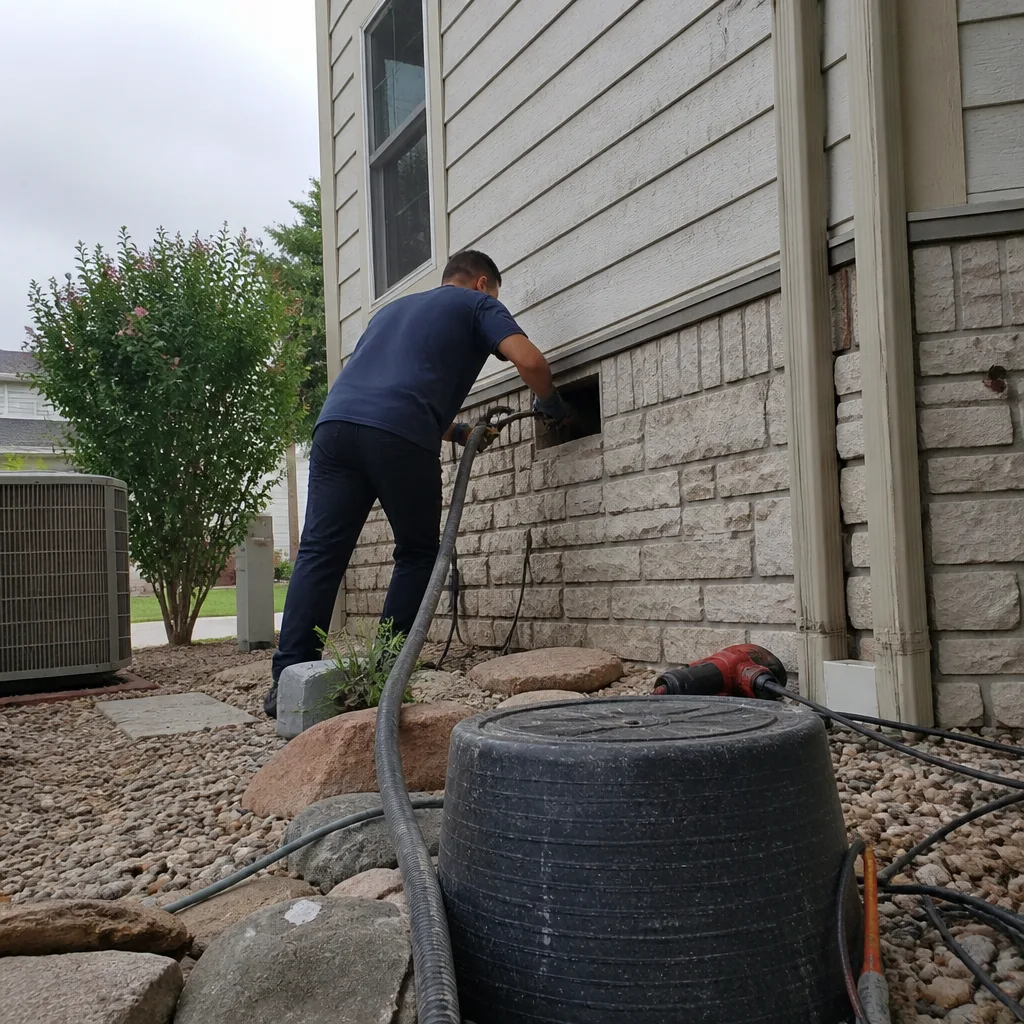 Before
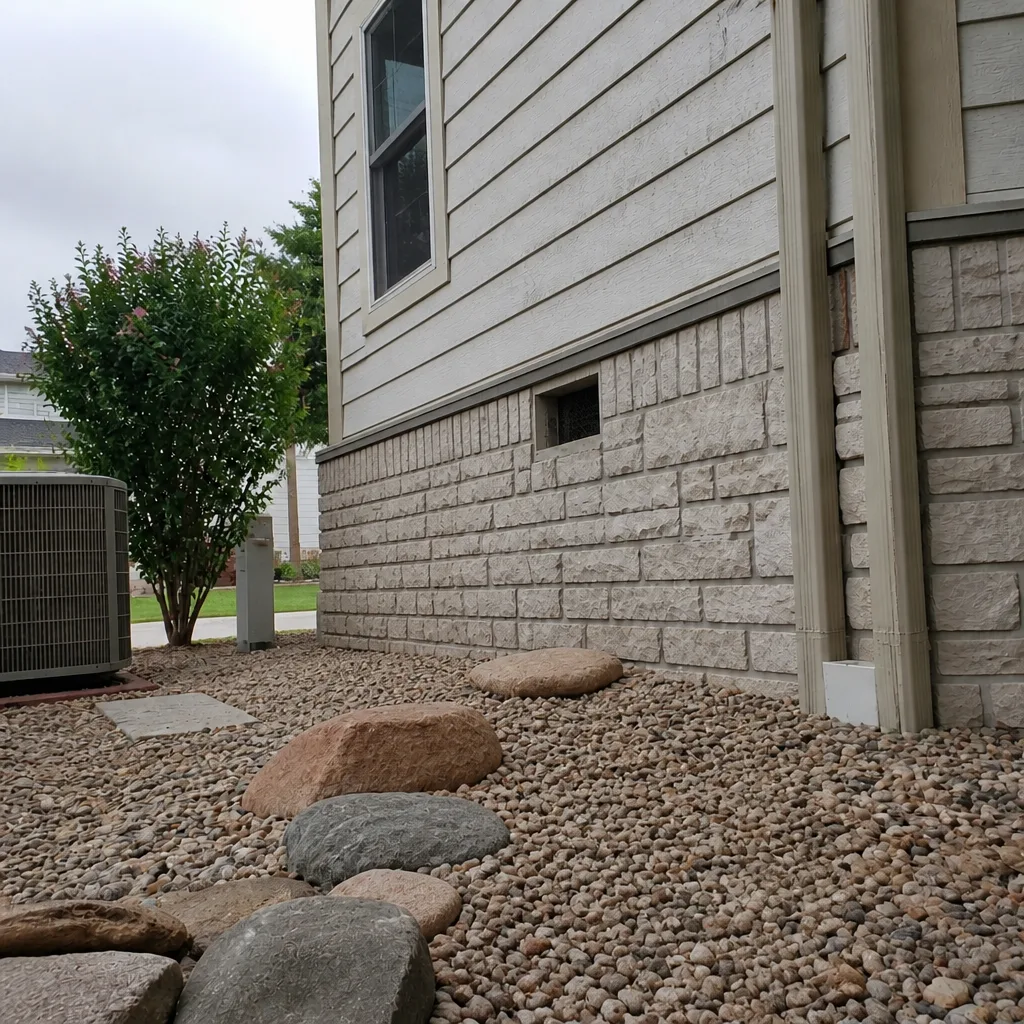 After
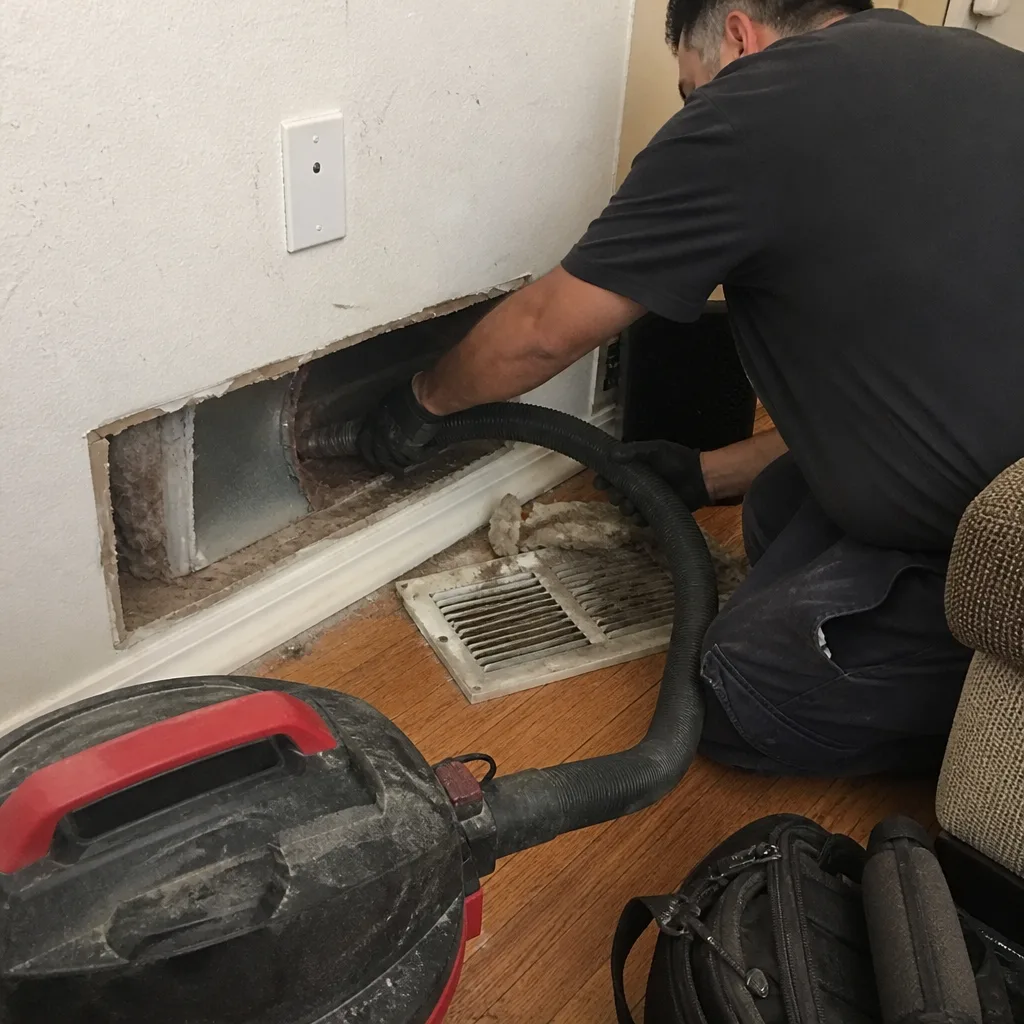 Before
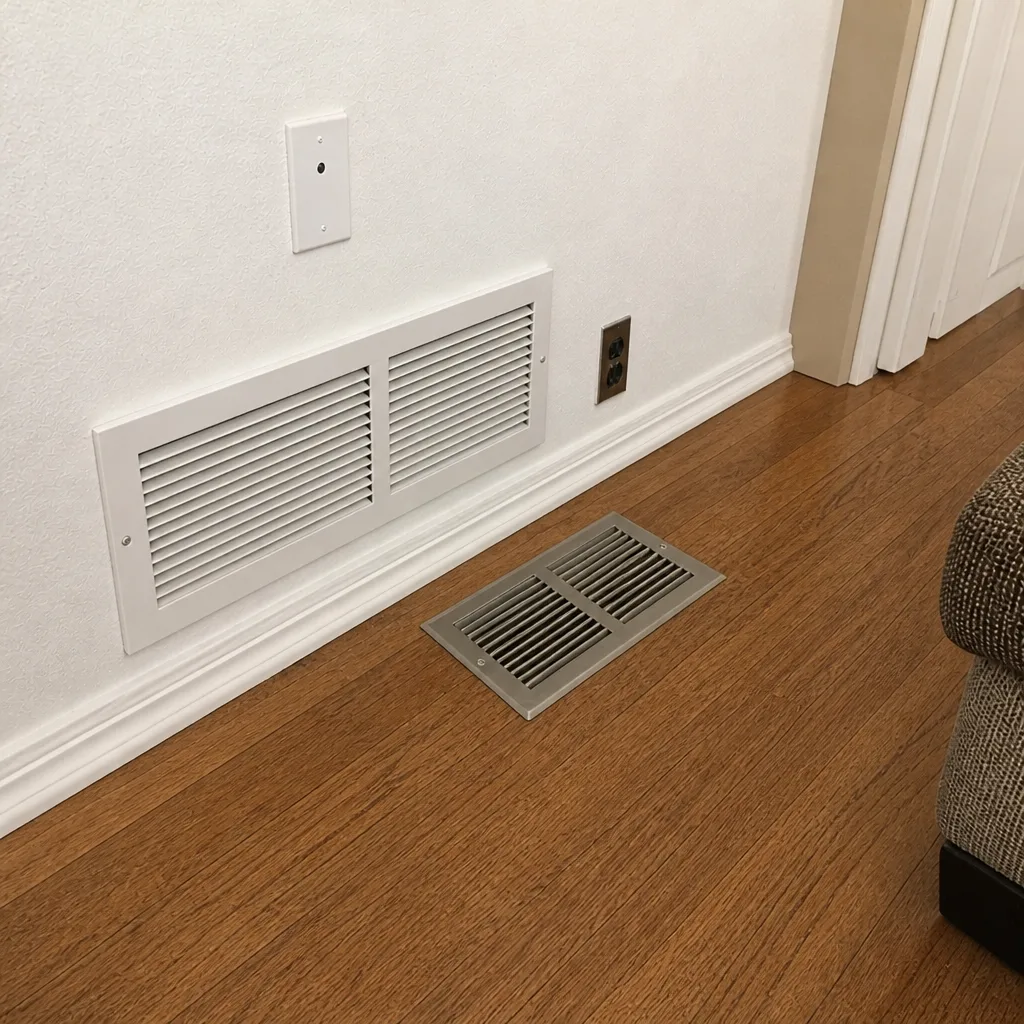 After
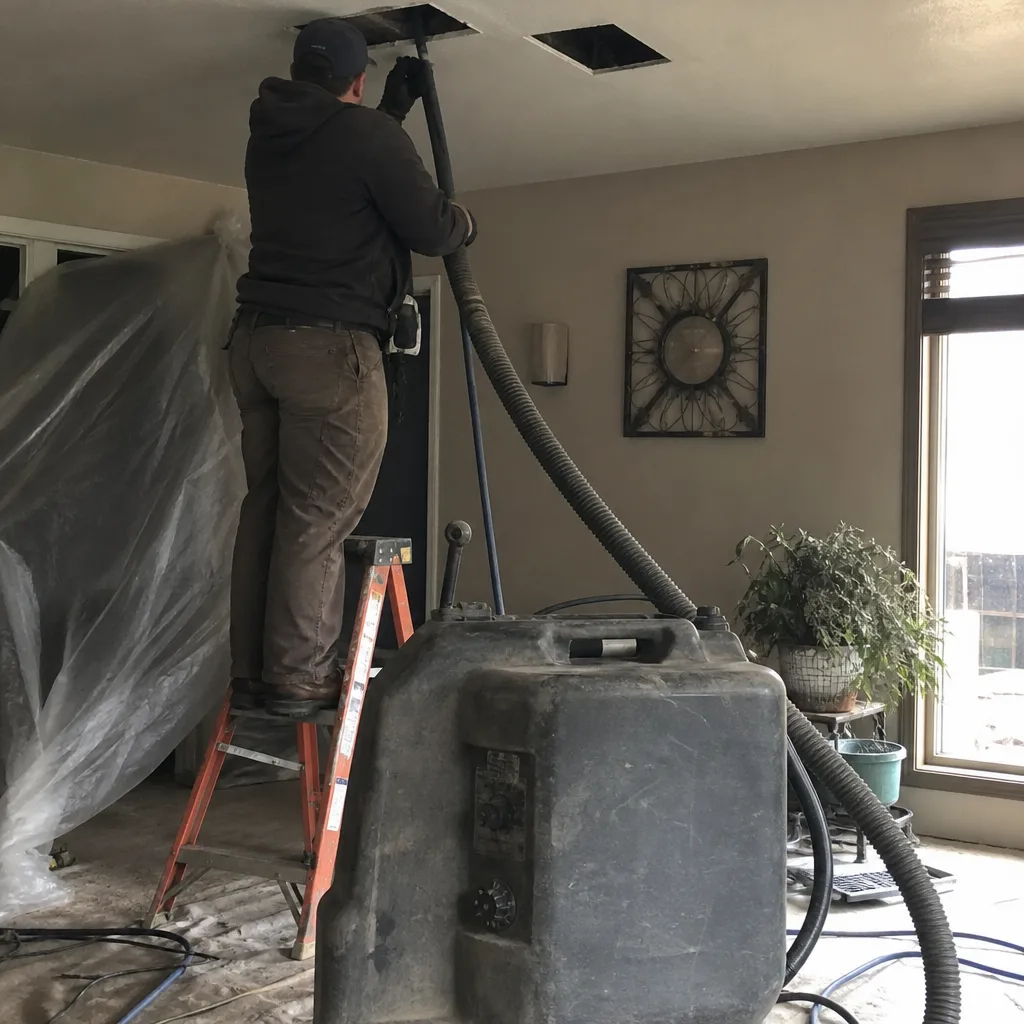 Before
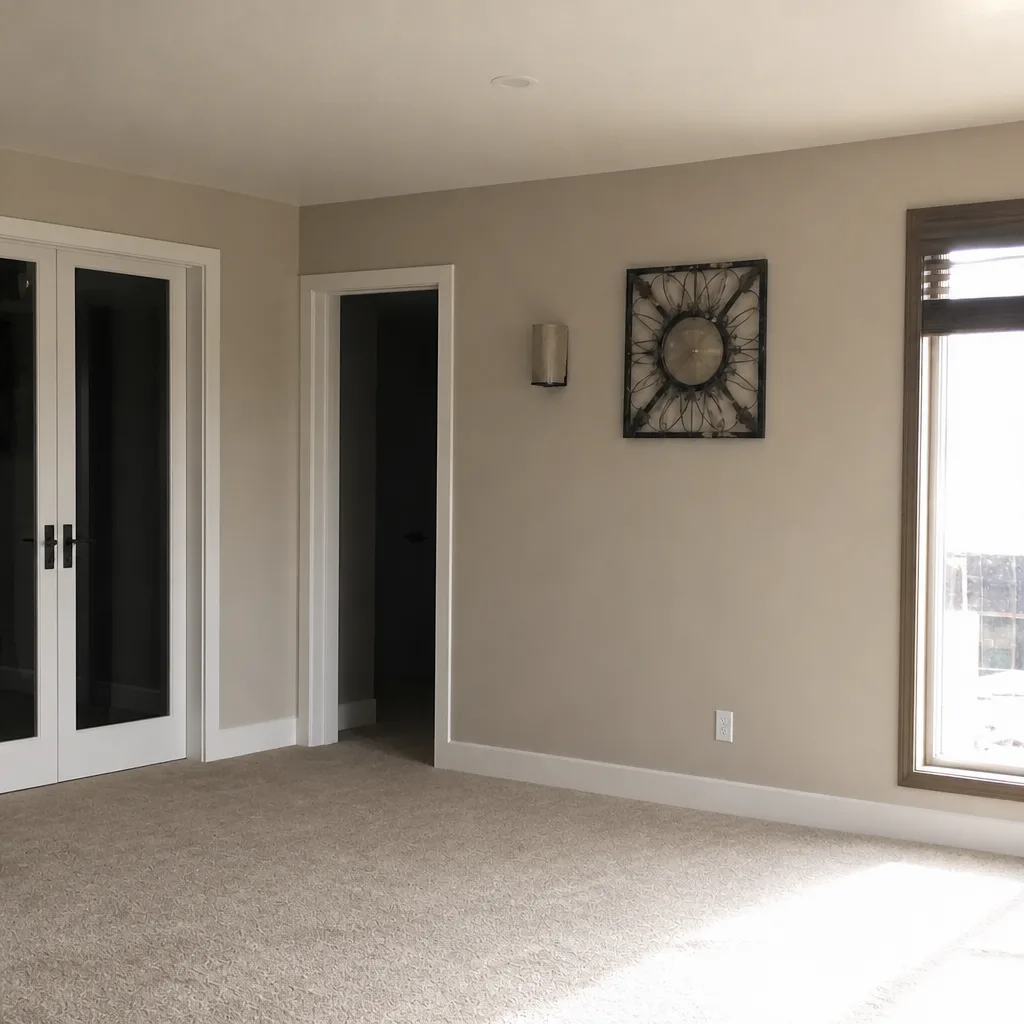 After
When to Call a Professional
Call a professional when two or more of the warning signs in this guide appear at once, when you see visible mold at any register, when a renovation has pushed dust into the system, or when a branch shows signs of damage. Call immediately if the dryer vent is restricted, since that’s a fire-safety concern rather than a comfort one. If you’re not sure whether you have a duct problem or an HVAC problem, call and describe the symptoms; a good technician will tell you which service to book.
Remington Air Duct Cleaning offers free estimates in Highlands Ranch. Call (866) 890-5531. We answer 24/7, and fast dispatch runs 7am to 7pm, Sunday through Friday. Bring your observations from the section above and we’ll tell you what we see, what we recommend, and what it will cost in writing before any work begins.
Our technicians have up to 8 years of experience, and the same equipment stack goes on every job regardless of home size: Rotobrush and Nikro for the cleaning itself, Abatement Technologies negative-air containment to capture debris rather than redistribute it. We also work with and around premium indoor-air-quality systems, including Honeywell, Aprilaire, and Guardsman filtration, since duct hygiene and whole-home air quality are connected. If you want the full scope of what an inspection covers in Highlands Ranch, that page walks through the local details.
Frequently Asked Questions
Cost depends on the number of systems and the condition of the vents, so we price it one flat rate per system, agreed in writing before work starts. The written estimate sets the final price, and there’s no per-vent pricing or teaser coupon price that turns into a bigger invoice once a technician is on site. Call (866) 890-5531 for a free estimate and an exact quote for your home.
Cheap quotes usually come from consumer-grade equipment, no negative-air containment, and a scope that only touches surface debris. The question to ask is what equipment they’ll use and how they’ll capture what they dislodge. If a quote doesn’t mention containment, that’s the gap. Call (866) 890-5531 and we’ll explain what’s included in ours.
Ask for before-and-after photos of your own ducts, not stock images. We take them as part of the job, so you can see the interior of the branches before and after cleaning. A technician who can’t show you your own ducts has only shown you their marketing. Call for a free estimate and we’ll walk you through the process.
Most homes get several years between cleanings, and the honest answer depends on what happened in the home rather than a fixed schedule. A renovation, a new pet, a mold issue, or a long stretch without a filter change all justify an inspection earlier. Homes in Highlands Ranch with active remodeling or long dryer runs benefit from more frequent checks. Call (866) 890-5531 to talk through your situation.
A single dusty room is almost always a duct sign, not a room problem. The branch serving it is either restricted, leaking, or pulling from an unconditioned space. If your dusty room sits over a garage or crawlspace, that’s a specific leak pattern we see often in Highlands Ranch. Call and describe which rooms are affected and we can often narrow it down before arriving.
Yes, a post-renovation inspection is worth doing regardless of the home’s age. Drywall dust is fine enough to travel the whole system and settle on the blower and interior surfaces, and new construction produces the same wave. Highlands Ranch’s active remodel market makes this a common reason homeowners call. Call (866) 890-5531 to book an inspection.
We answer 24/7. A call outside dispatch hours is booked into the next opening, Sunday through Friday, 7am to 7pm. You won’t be routed to voicemail. Call (866) 890-5531 and we’ll schedule you.
The Bottom Line
Most duct warning signs are misread, and that’s the core problem. Uneven dust, specific odor patterns, visible mold, and post-renovation dust are all telling you the same thing: the duct system is behaving differently than it should. In Highlands Ranch, the dry climate and active construction activity make those signs louder than they’d be elsewhere. Read them carefully before you spend money on the wrong fix. If you’ve got two or more signs, get an inspection with the right equipment, ask for a written scope, and insist on before-and-after photos of your own ducts. That’s the honest way to make this decision. For everything else, we’re Remington Air Duct Cleaning, and we’ll help you figure out which service actually fits what you’re seeing.
Call (866) 890-5531 for a free estimate. We answer 24/7, and fast dispatch runs 7am to 7pm, Sunday through Friday. We’ll tell you what we see, what we recommend, and what it will cost before any work begins.
Written by the team at Remington Air Duct Cleaning.