
Last updated November 16, 2026
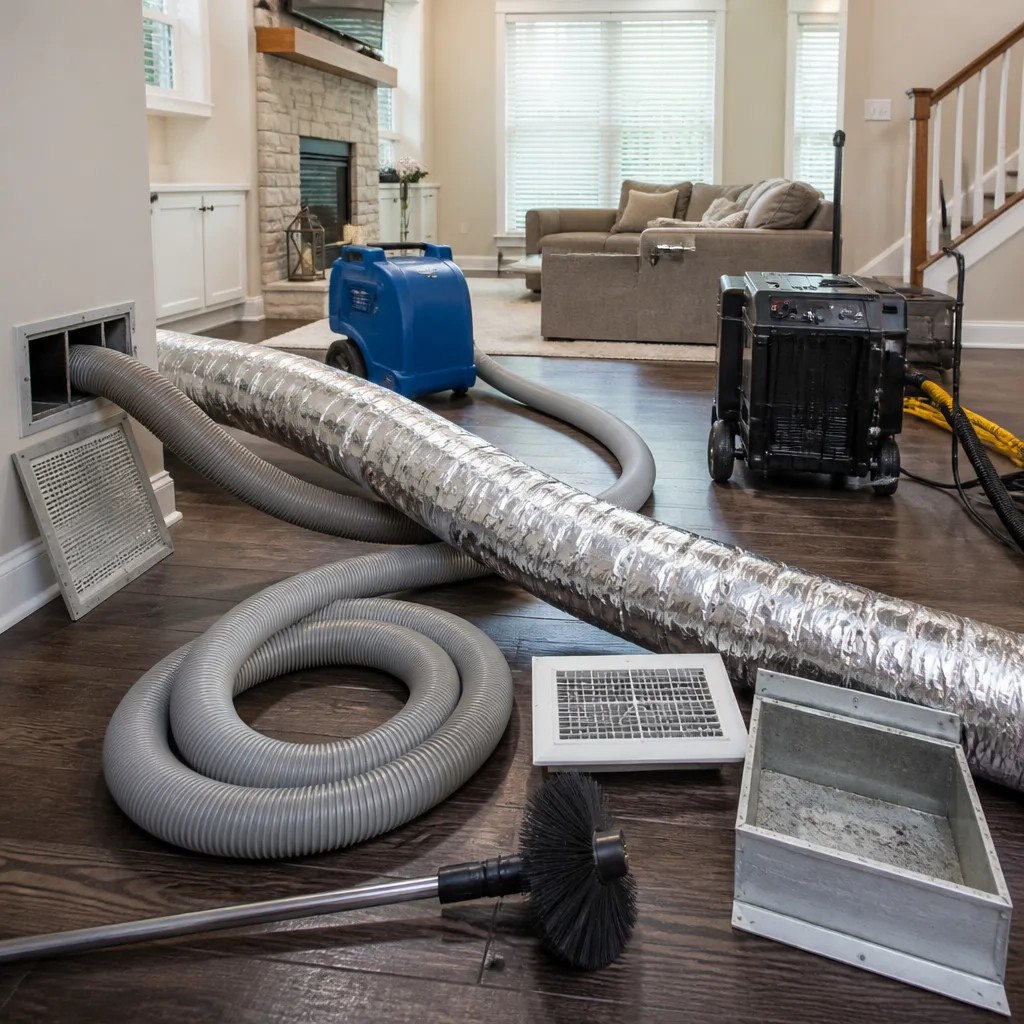 Whole-home duct cleaning
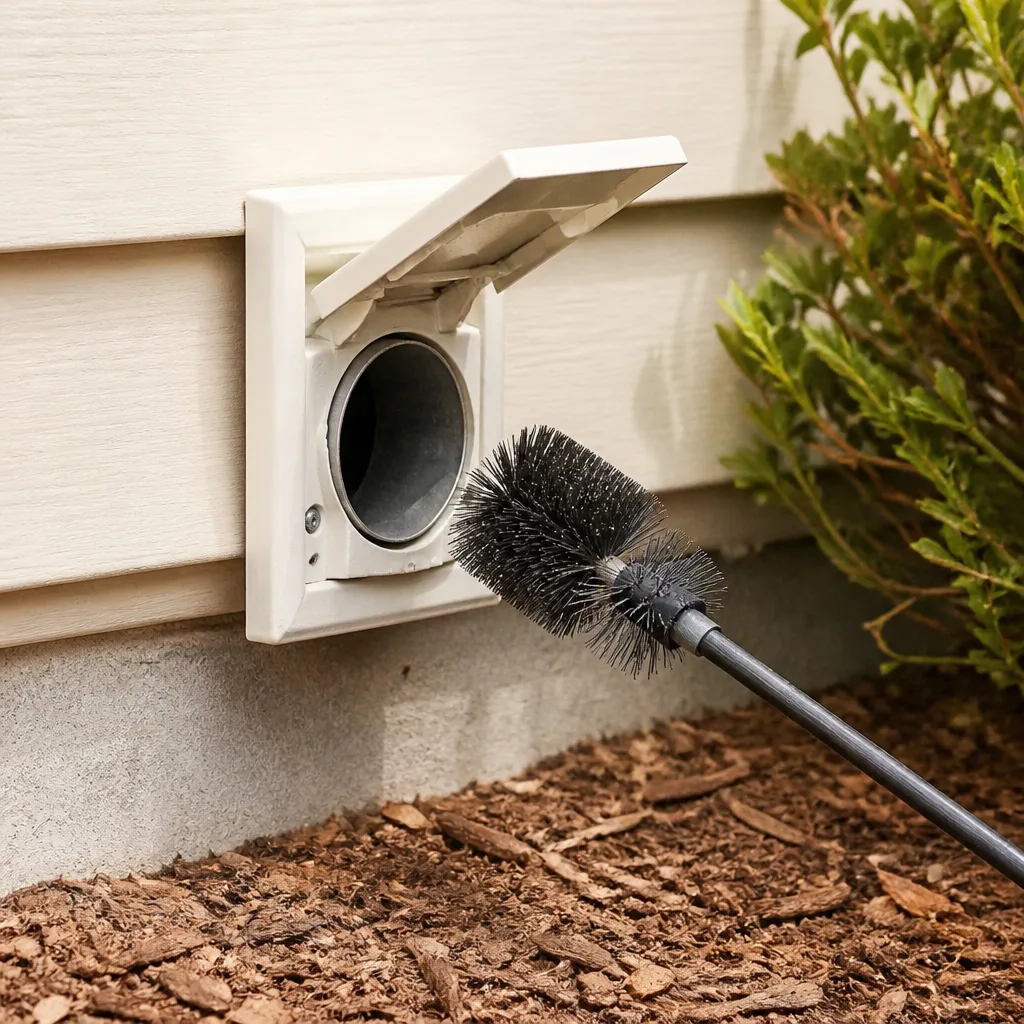 Dryer vent cleaning
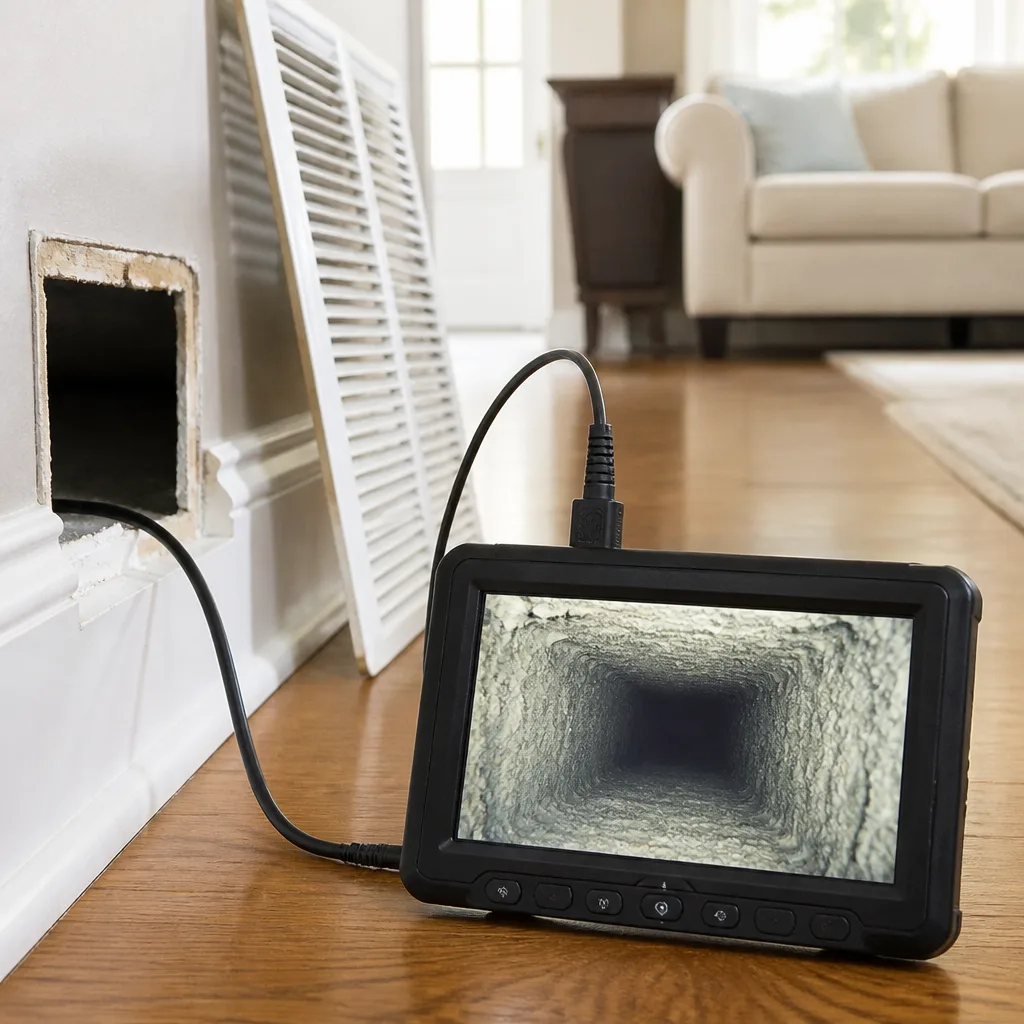 Camera inspection
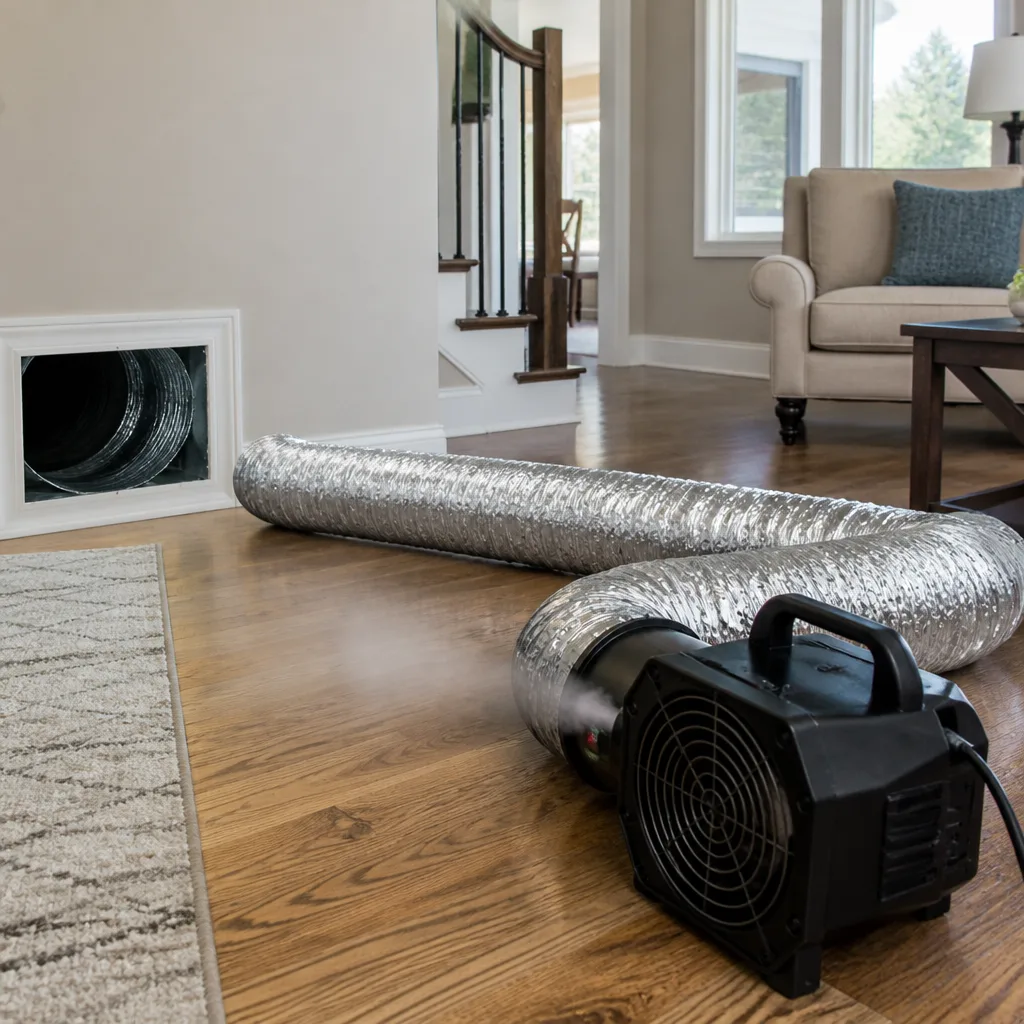 Sanitizing & deodorizing
Whole-system duct and dryer vent check with before-and-after photos - you see exactly what came out of your vents
That "$99 whole-house special" is a bait ad - the real number appears once they are in your hallway, or the "clean" is a shop-vac at the register. We photograph the inside of your ducts before and after instead.
DIY vs Professional Air Duct Cleaning: The Highlands Ranch Homeowner’s Decision Guide
You can reach about the first twelve inches of every duct run in your house with a shop vac and a brush kit from the hardware store. That’s the honest starting point of this entire conversation. The trouble is that most of what settles inside a duct system doesn’t live in that first foot. It collects at the elbows, packs into the transitions, and drifts into the main trunk lines that sit behind drywall and above ceilings you’ll never see. This guide walks through where DIY genuinely works, where it quietly makes things worse, and how to weigh one against the other for your home in Highlands Ranch.
Quick Answer
DIY duct cleaning handles surface debris at the registers and the short stretch of duct you can physically reach; professional cleaning reaches the trunk lines, plenums, elbows, and buried flex runs that hold most of the accumulated dust. For a typical Highlands Ranch home, DIY is a reasonable interim step after a small renovation, and professional cleaning is the right call when the system hasn’t been cleaned in years, when you see debris deeper than the register boot, or when someone in the house has respiratory sensitivities. Neither approach is dangerous in itself, but the reach and the containment differ enormously.
Styles & brands we work with
- Whole-home duct cleaning
- Dryer vent cleaning
- Camera inspection
- Sanitizing & deodorizing
Table of Contents
- What DIY Duct Cleaning Can Actually Reach
- Where the Contamination Actually Lives: Elbows, Plenums, and Buried Runs
- The Displacement Problem: Why Vacuuming Can Make It Worse
- When DIY Is a Reasonable Interim Measure
- What Professional Equipment Does That No Consumer Tool Replicates
- How to Honestly Assess Your Own Home’s Situation
- Making the Cost Decision: A Fair Comparison
- Common Mistakes to Avoid
- When to Call a Professional
What DIY Duct Cleaning Can Actually Reach
Let’s map this precisely, because the ambiguity in most DIY advice comes from never defining the boundary. A homeowner in Highlands Ranch with a shop vac, a flexible brush kit, and a screwdriver can access the following surfaces without any special tools:
- The supply and return grilles themselves, which unscrew from the wall or ceiling
- The register boot, meaning the short sheet-metal box behind the grille
- The first stretch of branch duct running from the boot toward the trunk, up to the point where the run makes its first turn or the brush kit stops feeding
- The visible interior of a return-air drop where it descends from the ceiling to the furnace closet
- Loose debris sitting on top of the grille fins or resting on the boot floor
That’s a real list, and it’s nothing to sneeze at. Cleaning those surfaces does reduce the dust that gets pulled into the living space every time the blower runs. Some of the debris you’ll pull out is genuine heavy buildup, especially in bathrooms and kitchens where lint and cooking oils make dust stick. Getting it out is better than leaving it.
What’s not on that list is everything upstream of the first turn, and that’s where the story changes. In a typical Highlands Ranch home, the basement and crawlspace ductwork is where you’d find the most reachable trunk, but the branch runs that feed bedrooms and living spaces turn upward inside wall cavities almost immediately. You can clean the boot side of that 90-degree elbow. You can’t clean the inside of it. That’s the limit, and it’s important to name it plainly. Because the real question isn’t whether you can clean your ducts at all; it’s whether the things you can reach are the things that need cleaning most.
If you decide partway through that the DIY job isn’t going to reach far enough, it’s worth knowing what a professional scope actually involves. Our air duct cleaning page describes the full system approach we use.
Where the Contamination Actually Lives: Elbows, Plenums, and Buried Runs
Air behaves like a river inside ductwork. Velocity drops at every turn, and wherever velocity drops, particles fall out of suspension and settle. That simple mechanic explains why the highest concentrations of accumulated material end up in four predictable locations:
- Elbows and transitions at every 90-degree turn, every reducer, and every place the duct changes shape. The inside radius of a turn collects a packed layer of dust and lint that hardens against the metal over time.
- The main trunk lines, which carry the combined airflow of every branch and are typically the longest, widest runs in the system. They run through unfinished basement ceilings, crawlspaces, and soffits.
- The plenum, meaning the box that sits immediately above the furnace and distributes air into the trunk. It’s usually the single dirtiest section in any forced-air system because it’s the first stop after the blower.
- Buried flex runs, the flexible insulated ductwork that snakes through wall cavities and attic space. Short of cutting into drywall you have no access to these at all.
Those four locations are precisely where a shop vac can’t reach and where most contamination lives. And they’re the ones that connect most directly to what ends up blowing out of your registers.
Highlands Ranch’s climate makes this pattern slightly more pronounced than in more humid parts of the country. The dry air here means dust stays loose and airborne longer, and the heating season runs long enough that the furnace is pulling air through the same system for most of the year. In new construction and post-renovation homes around the area, construction dust, drywall flour, and sawdust blow through those trunk lines and pack into elbows, and much of that debris never makes it to a register where a shop vac could get it. That’s the geometry of the problem, and it’s identical in a Highlands Ranch tract home and a custom build. Every forced-air system in the area shares it.
For a broader look at how the Highlands Ranch housing stock interacts with ductwork, our Highlands Ranch page covers the local housing mix.
The Displacement Problem: Why Vacuuming Can Make It Worse
Here’s the part most DIY guides skip. A shop vac creates suction at its hose end. It does not create negative pressure throughout the duct system. Those are two different things, and confusing them is where the DIY process can backfire.
What happens when you run a brush down a boot toward the trunk is that the brush loosens material ahead of it. Some of that material gets drawn into the vac hose. Much of it also gets pushed downstream by the physical displacement of the brush and by the small whorl of airflow the vacuum creates. If the system blower isn’t running and there’s no negative pressure holding the whole system under suction, the loosened debris settles wherever gravity takes it. Sometimes that’s next to the furnace filter. Sometimes it’s into a trunk section that was comparatively clean. This is what we mean by the displacement problem. A superficial cleaning can push particles deeper and redistribute them rather than capture and remove them.
The professional answer to displacement is negative-air containment. When a proper cleaning setup is running, the entire duct system is held under consistent negative pressure while the technician works. Every dislodged particle is pulled toward the collection point rather than allowed to settle wherever it happens to drift. That’s the whole reason our equipment list includes Abatement Technologies negative-air units on every job. It’s not there for show. It’s the piece that determines whether a cleaning removes debris or merely relocates it.
This is also the reason a DIY homeowner who finds themselves seeing dust clouds blowing out of registers while cleaning should stop and reconsider. That’s not a sign of progress; it’s a sign of the displacement problem happening in real time.
When DIY Is a Reasonable Interim Measure
There’s a fair list of situations where getting out the shop vac is genuinely the right call, and we don’t want to talk you out of it.
- After a minor renovation. If you just had a bathroom redone and there’s drywall dust on the grille fins and in the register boots, clean it up. It costs you nothing and it keeps the dust from being pulled back into the living space with every cycle.
- Before a professional visit. Cleaning the grilles and boots makes the professional scope easier to see and to price. A clean register tells a technician exactly where the contamination is, because the noise is gone.
- Seasonal maintenance between cleanings. If your ducts were professionally cleaned within the last two or three years, running a brush through the boots and wiping the grilles keeps surface dust from building up.
- One visibly dirty register. If a single bedroom grille is caked with dust and every other register is clean, that’s a surface problem, not a system problem. Clean it and watch it. If it comes back within weeks, call a professional.
- Filter changes and return grille cleaning. Always worth doing yourself regardless of the system’s overall condition.
What these cases have in common is that the problem is reachable and the scope is small. DIY is a tool with a defined limit, and within that limit it works fine. The mistake isn’t doing it; the mistake is doing it and then believing the system as a whole is clean.
One safety note before you climb: if you’re opening up a furnace filter cabinet or getting access to a trunk line, be honest about what’s in your way. The furnace cabinet holds electrical connections, and the ductwork may be next to wiring, gas piping, or the ignition components of the furnace itself. Any task that requires working near wiring, gas lines, or the electrical panel is not a DIY job, regardless of how simple it looks on YouTube. Turn off power at the breaker if you’re removing a filter door, and call a professional for anything beyond that. An expert would tell you the same thing.
What Professional Equipment Does That No Consumer Tool Replicates
The gap between a shop vac and a professional duct-cleaning system isn’t a marketing gap. It’s a real mechanical difference, and it’s worth explaining in plain terms so you can evaluate any estimate you receive.
Rotary agitation. Consumer brush kits are stiffened bristle brushes that you feed by hand. Professional rotary systems like the Rotobrush use a powered, spinning brush head that travels the full length of a duct run. The rotational action dislodges adhered material, including the layered biofilm that binds dust to duct walls, in a way that hand feeding never will. That matters because dust that’s been sitting for years fuses to the interior of the duct. It doesn’t come loose with a light wipe.
HEPA vacuum capture. A shop vac filters some debris and blows the rest back into the room; even with a HEPA filter it was never designed for the volume of material a full duct system holds. Professional units like the Nikro HEPA systems are built specifically for duct cleaning, with high-capacity collection and containment.
Negative-air containment. The Abatement Technologies equipment mentioned earlier ties the whole thing together, holding the duct system in negative pressure so loosened debris flows toward the collection point instead of out into the house.
None of this is about speed or about any single tool being magic. It’s about reach, pressure, and capture working together. Our technicians have up to 8 years of experience using this equipment, and they’re trained to work with and around premium air-quality components from Honeywell and Aprilaire. In homes with those systems installed, the duct cleaning has to be coordinated with the filtration components rather than run roughshod over them.
How to Honestly Assess Your Own Home’s Situation
If you want a defensible answer for your own home in Highlands Ranch, work through these questions in order:
- When was the system last cleaned? If the answer is “never” or “we don’t know,” that alone puts you in professional territory. If it’s been within three years, DIY maintenance is probably enough.
- What do you see at the registers? Peel the grille off a bedroom supply and look inside the boot with a flashlight. A light coating of dust means surface cleaning is enough; a thick, packed, dark layer that continues past the boot into the run means the contamination is upstream of what you can reach.
- Has there been recent construction or renovation? Drywall dust and sawdust have a way of traveling deep into a system. Multiple rooms affected by one renovation usually means the trunk needs attention.
- Does anyone in the house have sensitivities? If a family member has asthma or allergies, the tolerance for accumulated duct debris is lower than for a household without sensitivities. That’s a real reason to lean professional.
- Is your utility bill climbing for no clear reason? Restricted airflow from packed ducts can reduce system efficiency. That’s a general signal, not a diagnosis, but it’s worth noting.
- Are there visible dust puffs at the registers when the blower starts? That’s usually a sign of debris sitting in the system and being pulled up by the airflow. It’s the displacement problem in reverse, and professional cleaning addresses it.
Two or more yes answers to the tougher questions (no cleaning history, packed boot debris, recent renovation, sensitivities, dust puffs) make a strong case for professional service. Zero or one yes answer, with a recent cleaning on record, is a strong case for DIY maintenance and periodic checks.
Making the Cost Decision: A Fair Comparison
Cost is the hardest part to talk about honestly, because pricing for duct cleaning varies widely by home size, system configuration, and number of runs. We don’t quote per-vent prices, and we’d be suspicious of anyone who does. A meaningful comparison looks like this:
| Approach | Typical Cost Range | What You Get |
|---|---|---|
| DIY (shop vac + brush kit) | $30 – $80 in tools | Surface debris at grilles, boots, and the first stretch of branch duct. No trunk, plenum, or flex access. |
| Professional whole-system cleaning | Set per job by written estimate after inspection | Full reach of trunk lines, plenums, elbows, and accessible flex, under negative pressure, with photos |
The honest way to read that table is to notice what the DIY row doesn’t include. The tools cost is genuinely small. What you’re paying for with professional service is the reach and the containment, and that’s a capability issue, not a vanity issue.
One flat price per system agreed before work starts is the standard we hold ourselves to. That price should be in writing before any equipment enters your home, and it should describe exactly what gets cleaned. That is the whole answer to the bait-and-switch problem in this industry, and you should look for it on any estimate you receive. If a company leads with a teaser number and then explains what isn’t included once their technician is on site, walk away, regardless of what the number was.
The same principle applies to the other half of the equation. If your ducts look fine but your dryer takes two cycles to dry a load, that’s a dryer vent cleaning problem, and it’s a fire-safety issue alongside an efficiency one. A clean dryer vent isn’t a bonus. It’s a fire-safety essential. If your ducts are themselves damaged (crushed flex runs, disconnected joints, gaps at the plenum), cleaning alone won’t fix it, and air duct repair is the right scope.
Common Mistakes to Avoid
- Cleaning with the blower running. Some DIY guides tell you to run the furnace fan while you brush. All that does is blow loosened debris into the rest of the house. Turn the system off before you start.
- Using a leaf blower or compressed air in a register. This is displacement at its worst. It pushes material deeper into the trunk and into rooms you’re not even cleaning.
- Assuming the registers are the whole picture. A clean register boot says nothing about the trunk line fifteen feet upstream. If you’ve only cleaned the boot, you’ve only cleaned the boot.
- Ignoring the return side. Return grilles and drops pull as much dust as supply registers, often more. Clean the return paths too, or you’re only fixing half the system.
- Buying a kit without checking duct size. Brush kits come in specific diameters, and a kit that’s too small won’t scrub anything, while one that’s too large can jam inside the duct. Know your ductwork dimensions before buying.
- Opening a live furnace cabinet. If the job involves the plenum above the furnace, you’re near gas and electrical. That’s not a DIY scope, no matter how carefully it’s described.
- Trusting a quote that’s per-vent with no inspection. A call-in price without seeing the system rarely matches what’s on paper when the technician arrives. Ask for a whole-system price in writing.
- Forgetting the dryer vent entirely. Dryer vent checking gets skipped in almost every DIY plan. It’s a separate system with its own safety profile, and it deserves its own attention.
When to Call a Professional
Call a professional when you can see the contamination but can’t reach it, when the system has gone years without cleaning, or when the home’s occupants have respiratory sensitivities that make accumulated duct debris more than an aesthetic concern. Call if a recent renovation has pushed drywall dust into the system. Call if visible dust puffs come out of the registers on startup. Call if a duct run appears crushed, disconnected, or compromised in any way. And call if you simply want to stop guessing. Remington Air Duct Cleaning offers free estimates in Highlands Ranch. Call (866) 890-5531. We answer 24/7. Fast dispatch from 7am to 7pm, Sunday through Friday.
See the difference
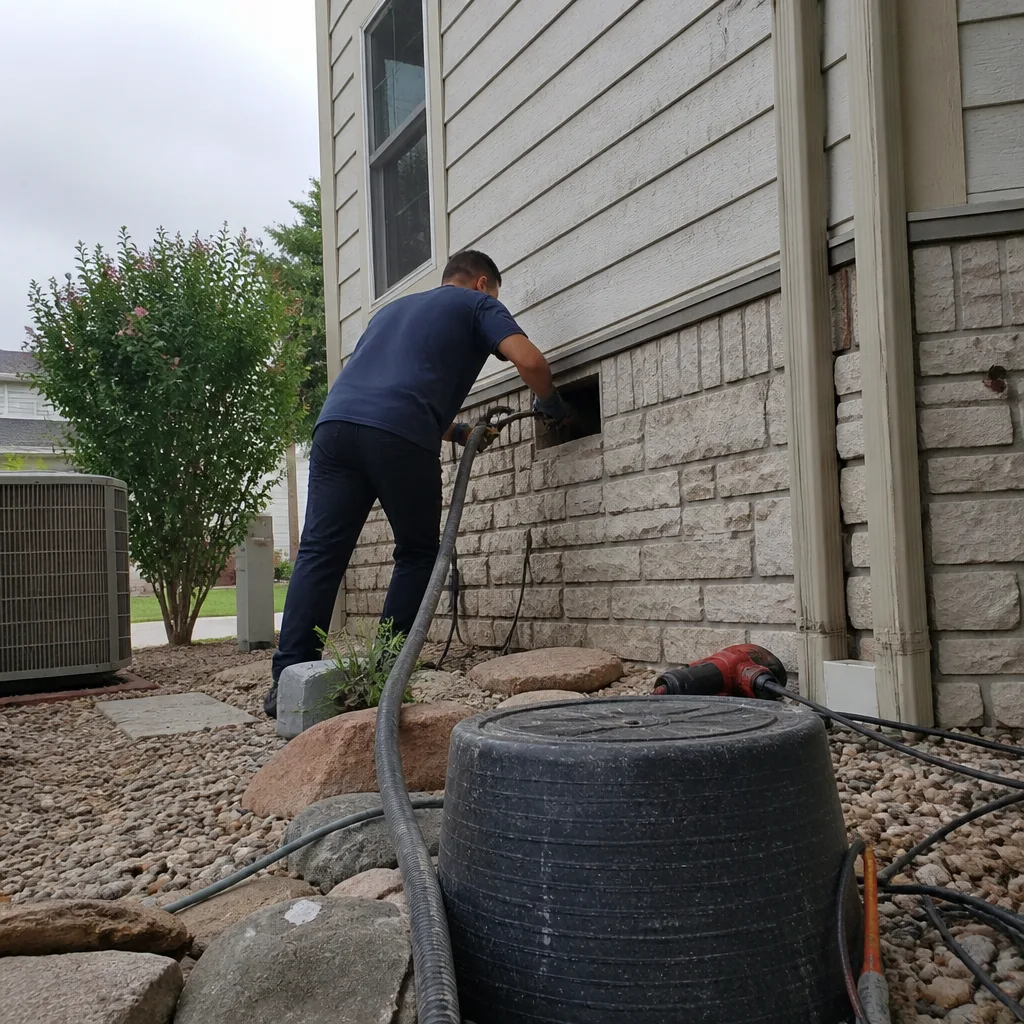 Before
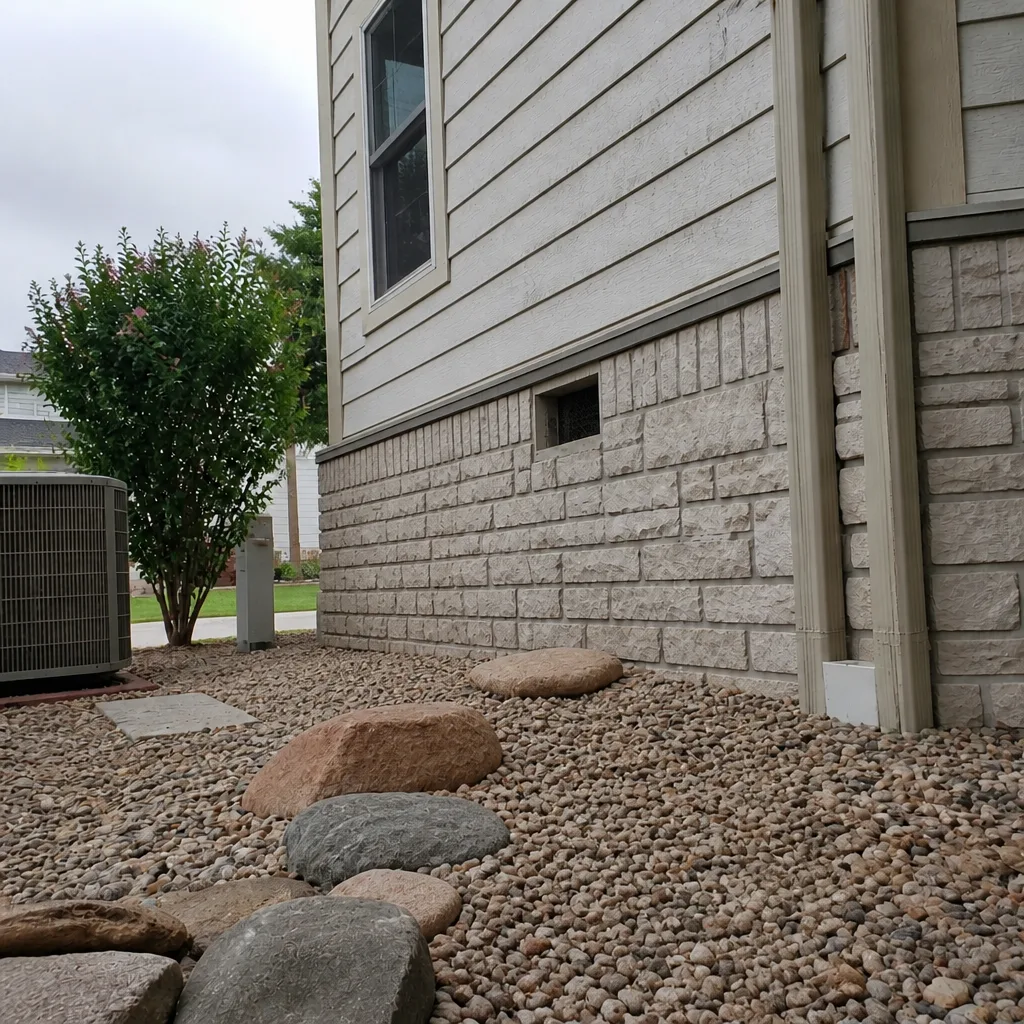 After
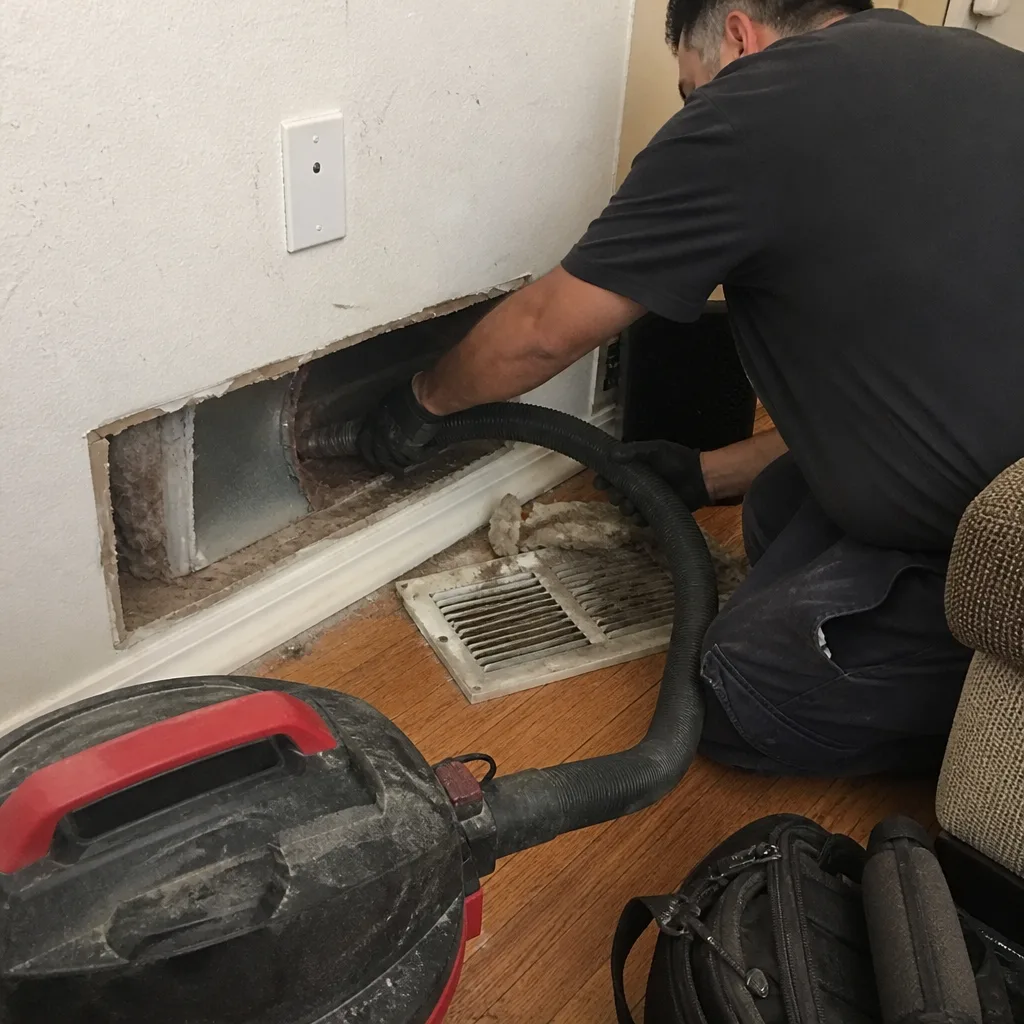 Before
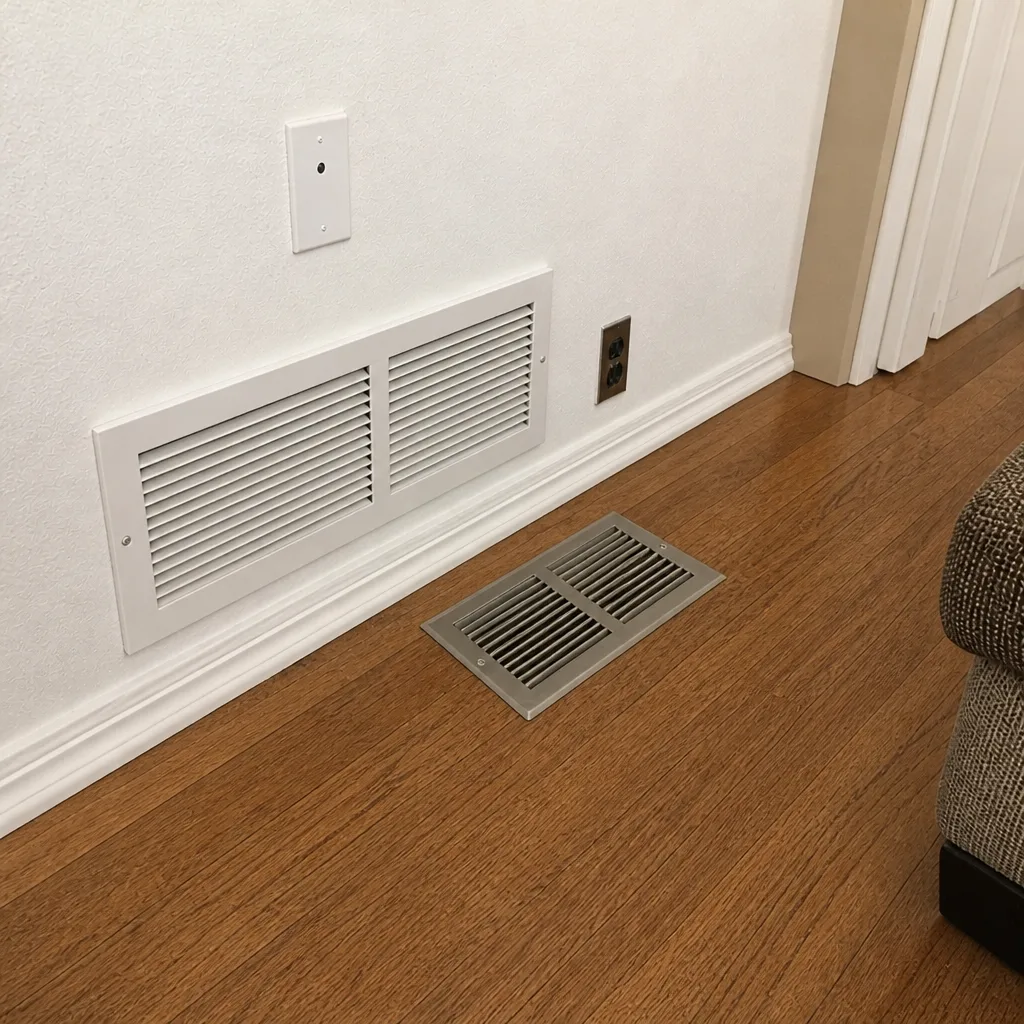 After
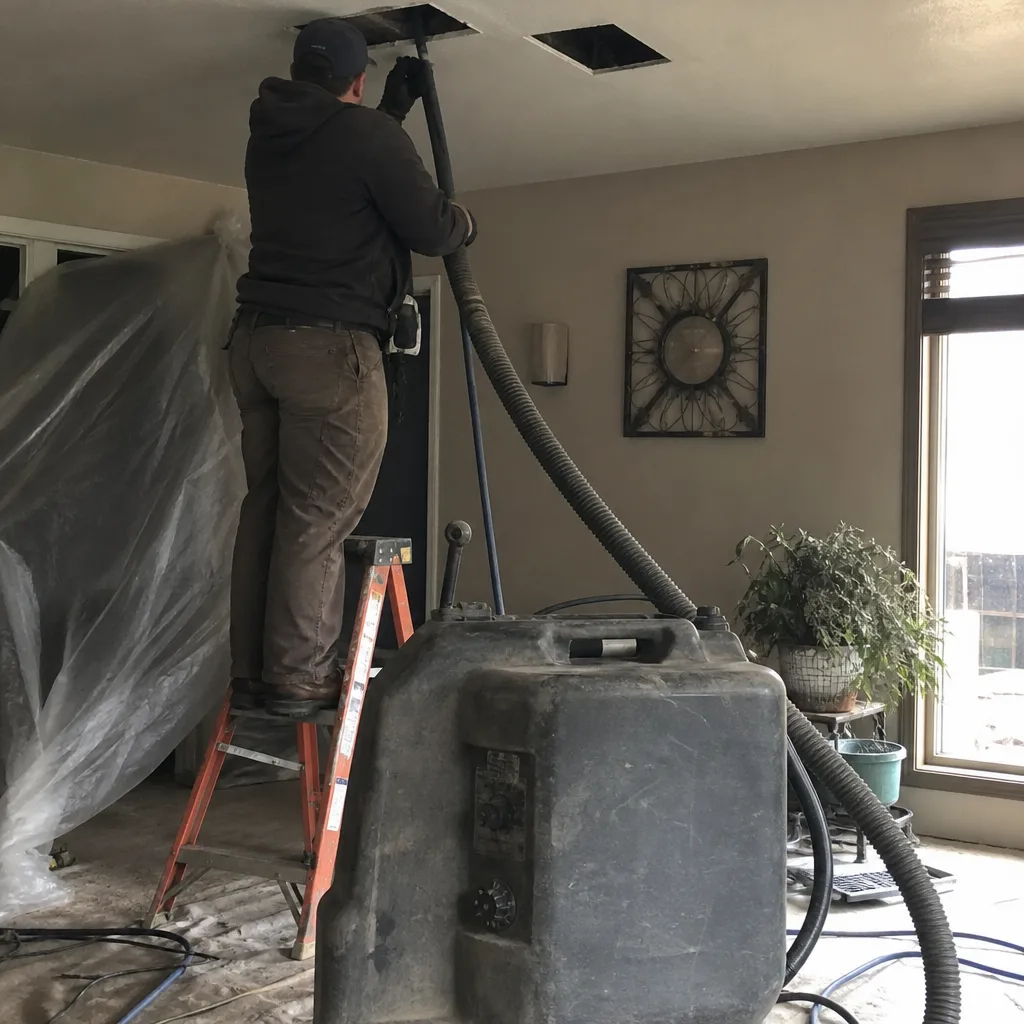 Before
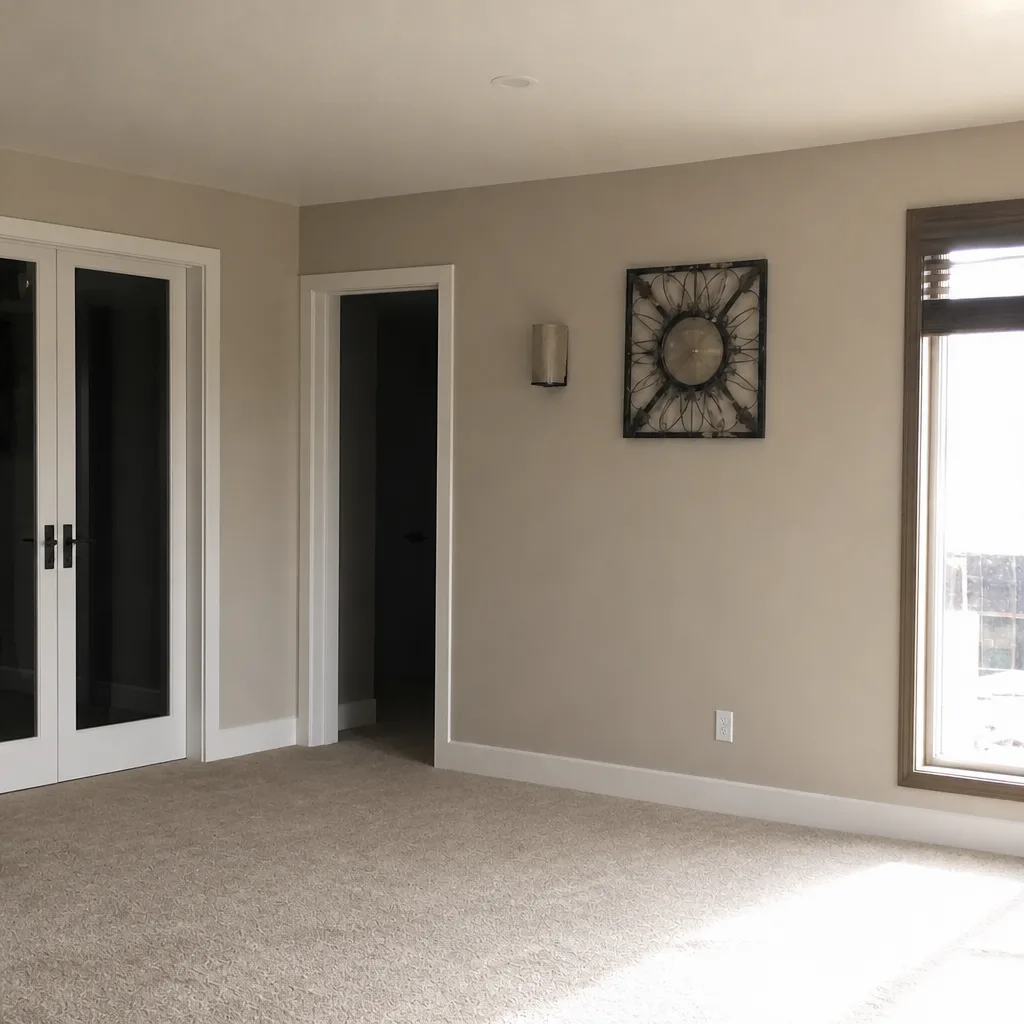 After
Frequently Asked Questions
Cost depends on the size of the system, the number of runs, and the condition of the ductwork, so we price per job after inspecting the system rather than quoting a per-vent number. The full scope is set by a written estimate before any work begins, and the estimate is free. Call (866) 890-5531 for an exact quote. Estimates are free.
Cheap quotes usually cover less than the customer expects. They often reach only the registers and boots, skip plenums and trunk lines, and run without negative-air containment, meaning dislodged debris gets redistributed through the house instead of captured. A low number becomes a short-visit surface cleaning, not a system cleaning. Before booking on price alone, ask what equipment the company uses and whether containment is included. Call (866) 890-5531 to see what a full-system estimate covers.
Before-and-after photos of your own ducts are the single most reliable answer to that question. A professional cleaning should come with a visual record of what was found and what was removed, plus a clear scope of what was and wasn’t accessible. If a company can’t show you what they cleaned, treat the claim with caution. Call (866) 890-5531 with any questions about what a scope includes. Estimates are free.
Most Highlands Ranch homes do well with professional cleaning every three to five years, though the honest answer depends on the situation. Homes with shedding pets, recent renovations, or occupants with respiratory sensitivities usually do better on a shorter cycle. Homes with newer ductwork and a clean history can go longer. The best signal is what you see when you inspect a register: light dust means more time, packed debris means sooner. Call (866) 890-5531 if you’re not sure where your home falls. Estimates are free.
DIY cleaning itself is unlikely to damage ductwork if you’re careful, but it can easily redistribute debris if the system blower is running while you work, and using compressed air or a leaf blower in a register can push debris deep into the trunk. The bigger risk is the illusion of having cleaned a system you only partially reached. Any job that means opening the furnace cabinet or working near gas and electrical components should go to a professional. No exceptions.
The dry Front Range climate keeps dust airborne longer, and the long heating season means the system runs air through the same ducts for most of the year. That combination tends to build up dust in the ducts faster than in humid climates. It’s not a dramatic difference, but it’s a real one, and it argues for regular inspection. Call (866) 890-5531 for a scope specific to your Highlands Ranch home. Estimates are free.
The Bottom Line
DIY duct cleaning works where the problem is reachable, and it’s a genuinely reasonable interim step for light maintenance and post-renovation cleanup. Professional cleaning is the right answer when the contamination lives at the elbows, in the plenum, in the trunk lines, and inside buried flex runs you can never see. The displacement problem is the difference between cleaning and relocating debris. Negative-air containment is the difference between a system cleaning and a surface wipe. Remington Air Duct Cleaning is set up to do the second, with the equipment that makes it possible. Make your decision on reachability and containment, not on price alone, and you’ll make the right call for your home.
Contact Us
If you’re in Highlands Ranch and want to know exactly what your system needs, call Remington Air Duct Cleaning at (866) 890-5531 for a free estimate. We answer 24/7. Fast dispatch from 7am to 7pm, Sunday through Friday. One flat price per system, agreed before work starts, with before-and-after photos of your own ducts. That’s the whole promise, and it’s worth a call.
Written by the team at Remington Air Duct Cleaning.