
Last updated November 16, 2026
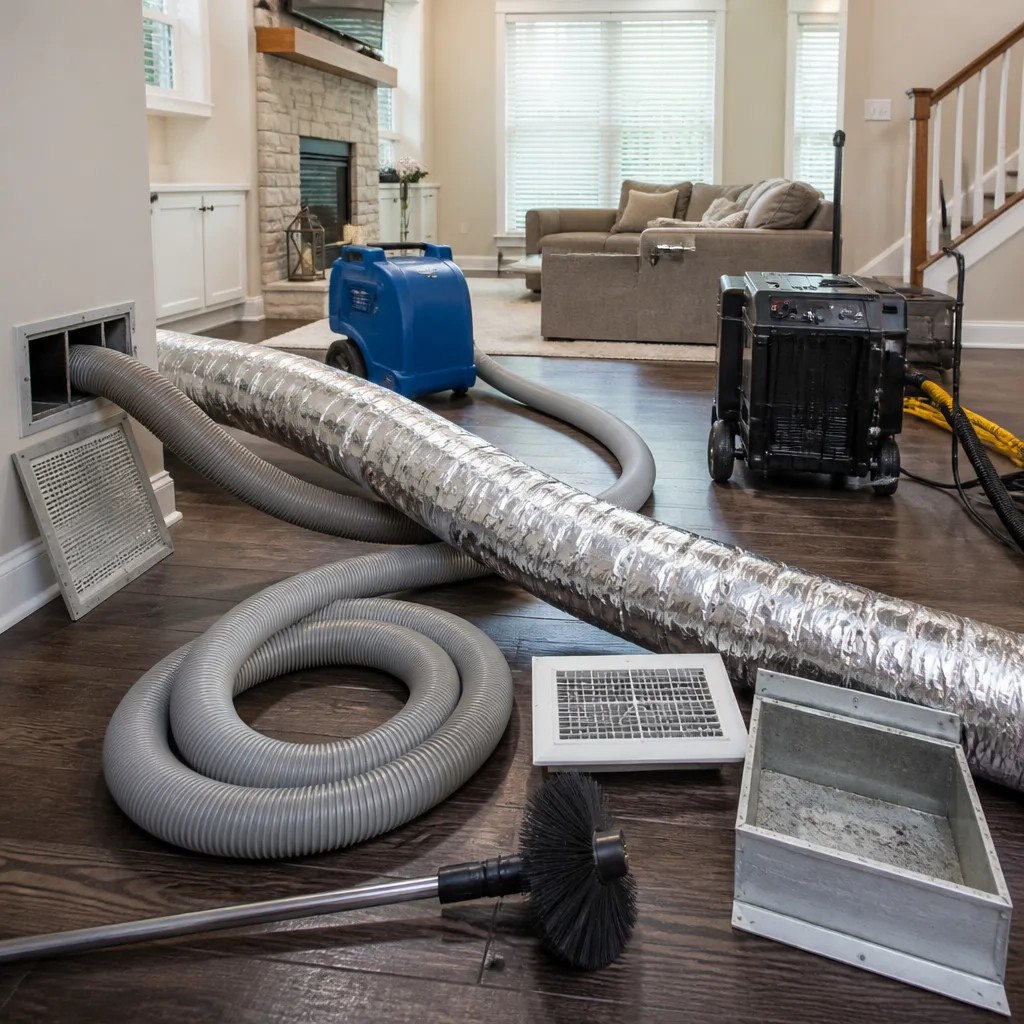 Whole-home duct cleaning
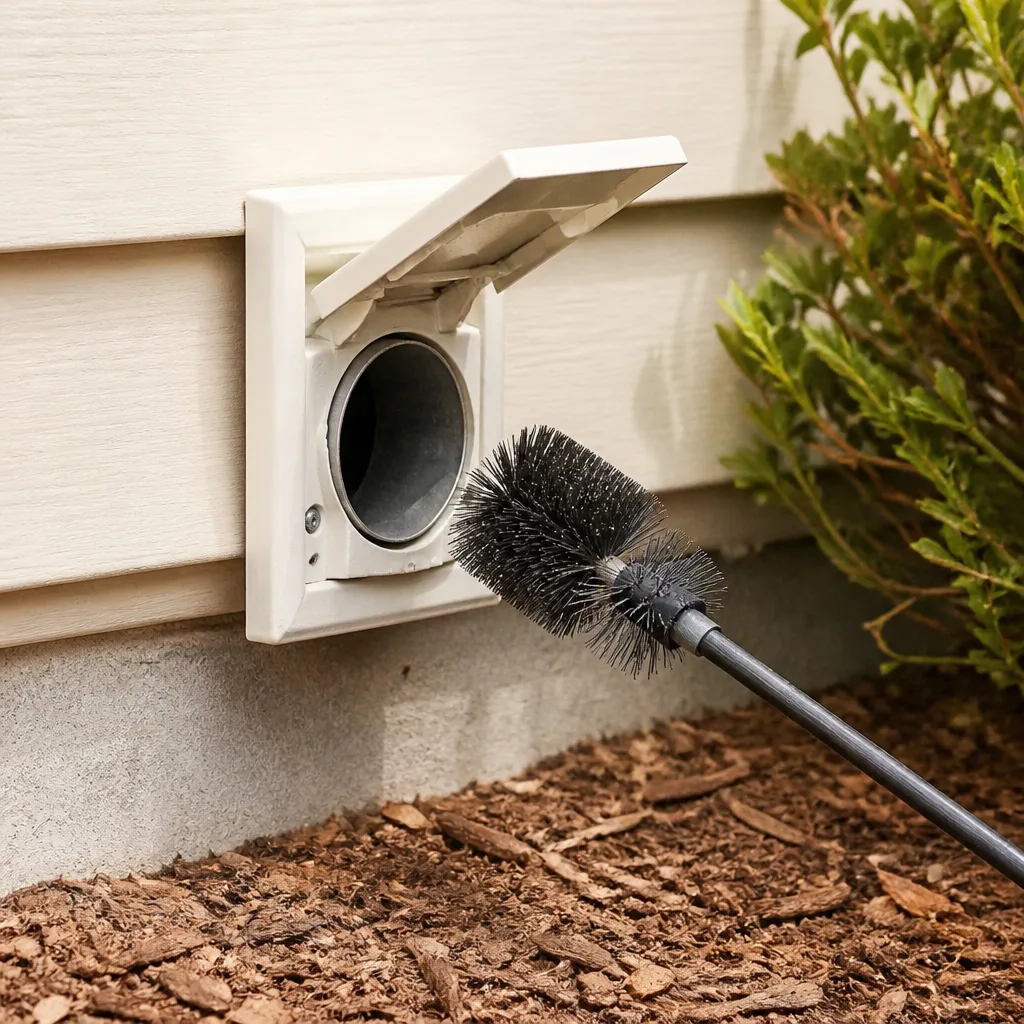 Dryer vent cleaning
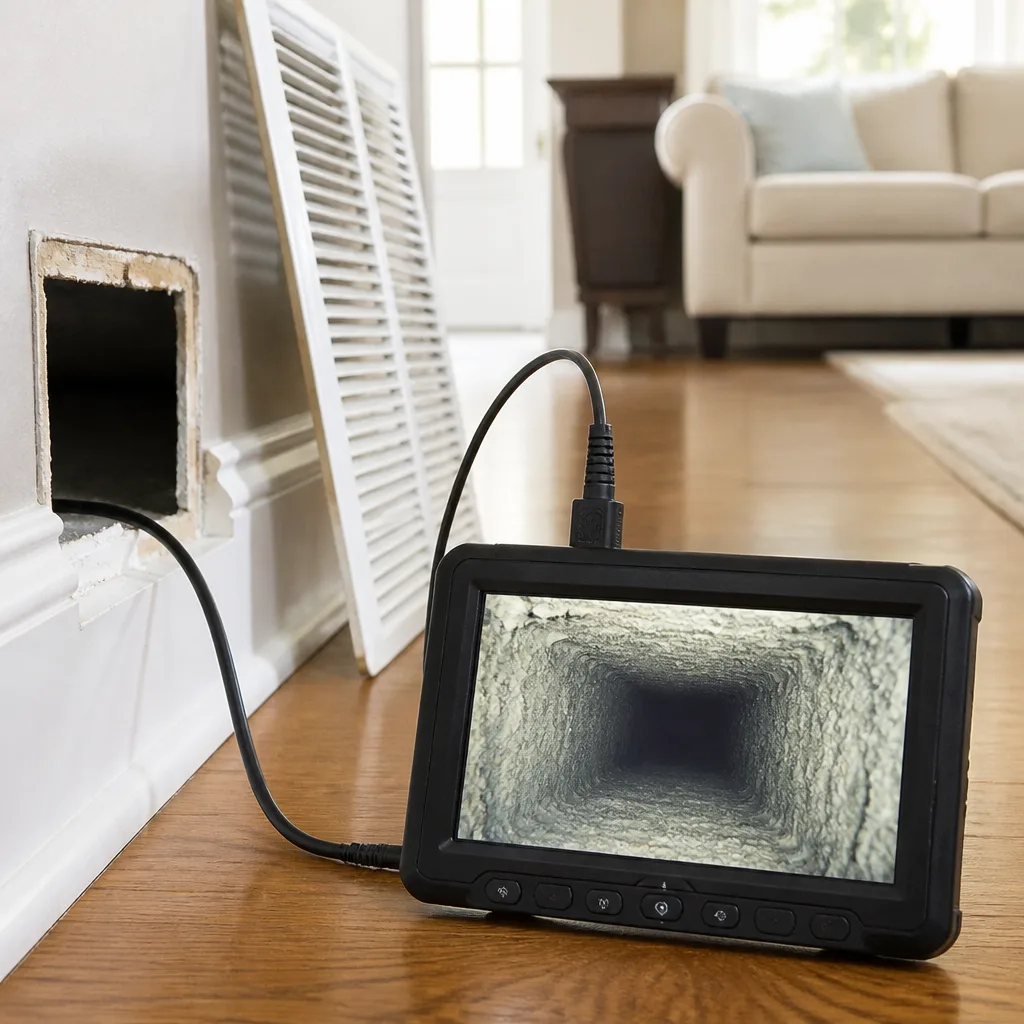 Camera inspection
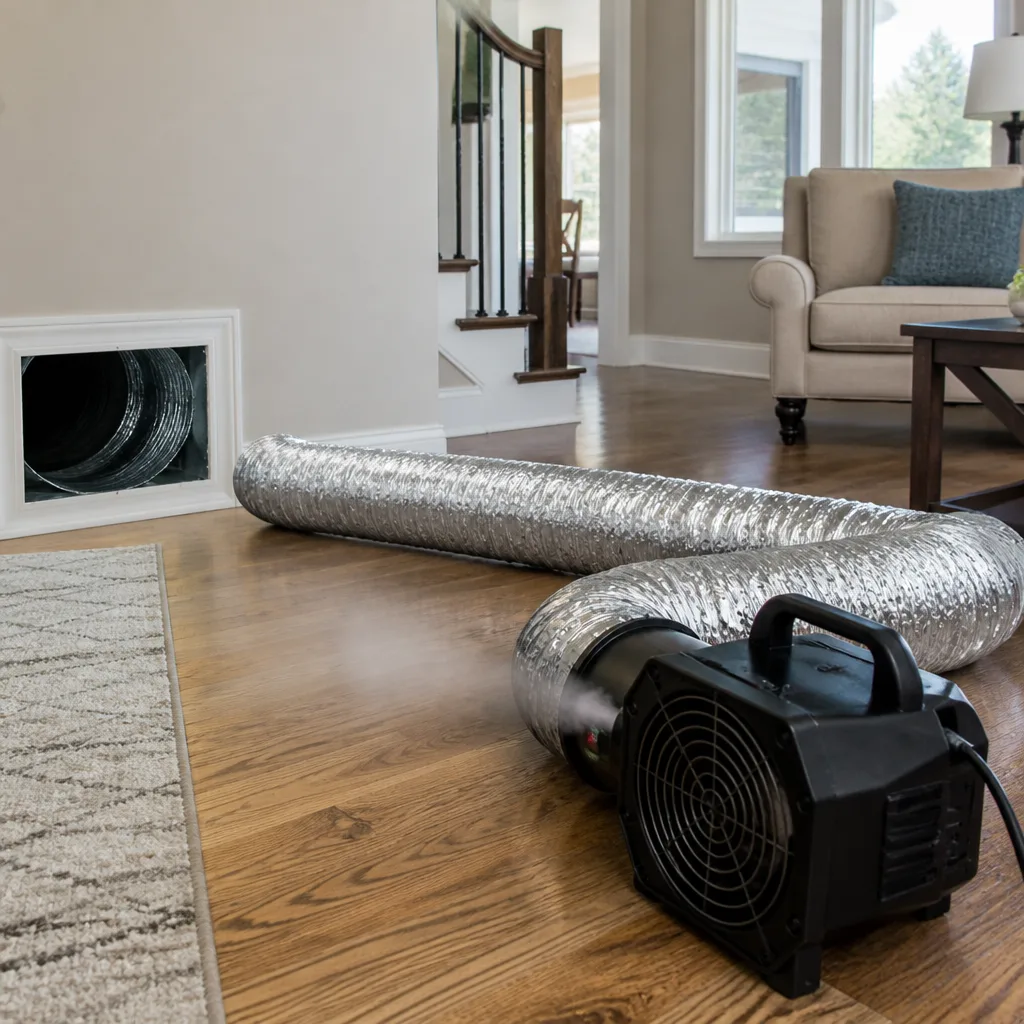 Sanitizing & deodorizing
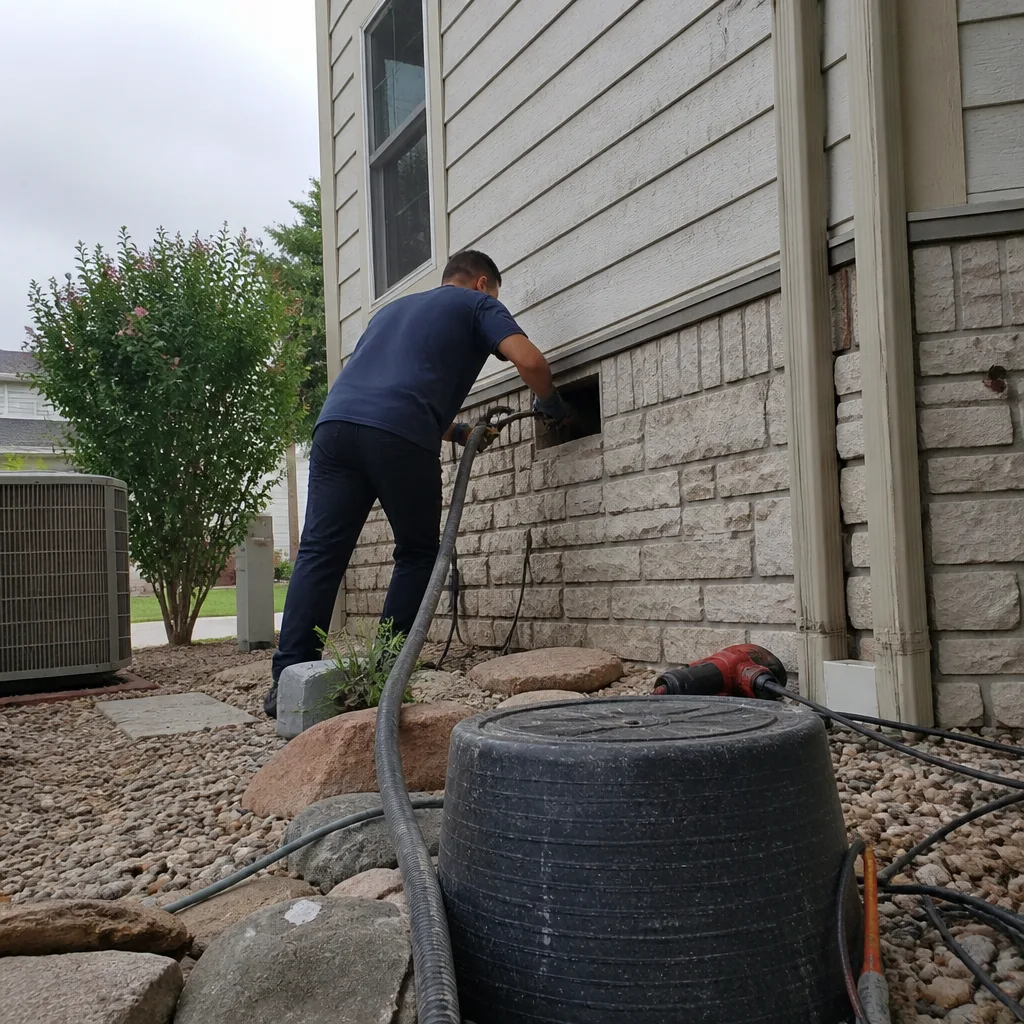
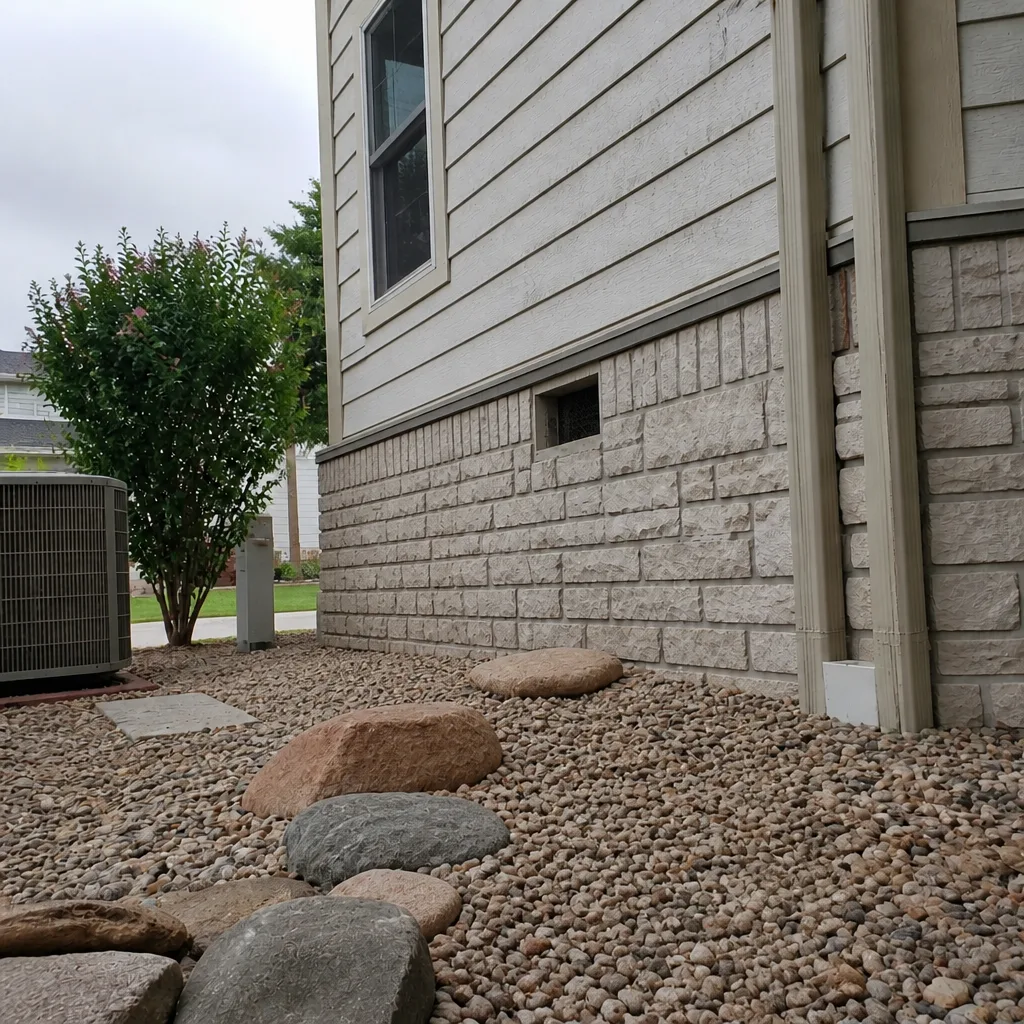
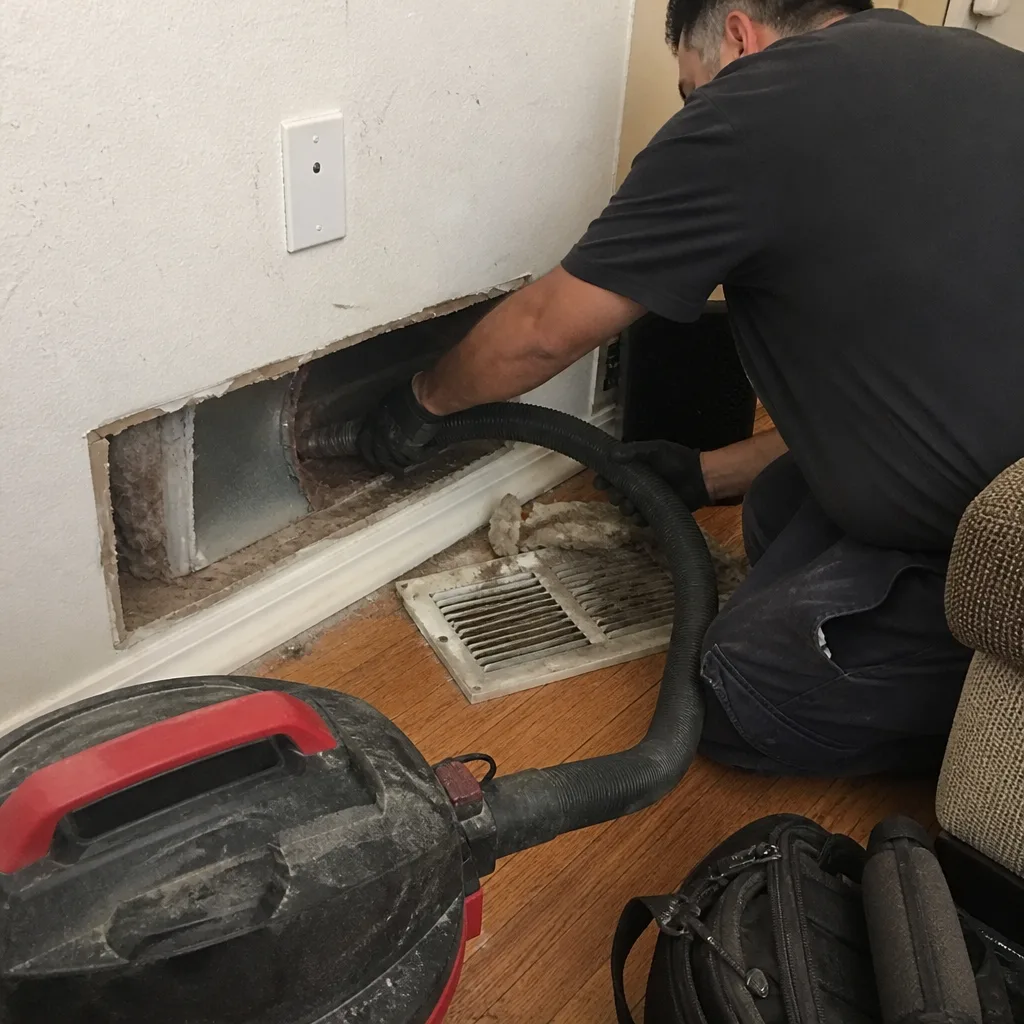
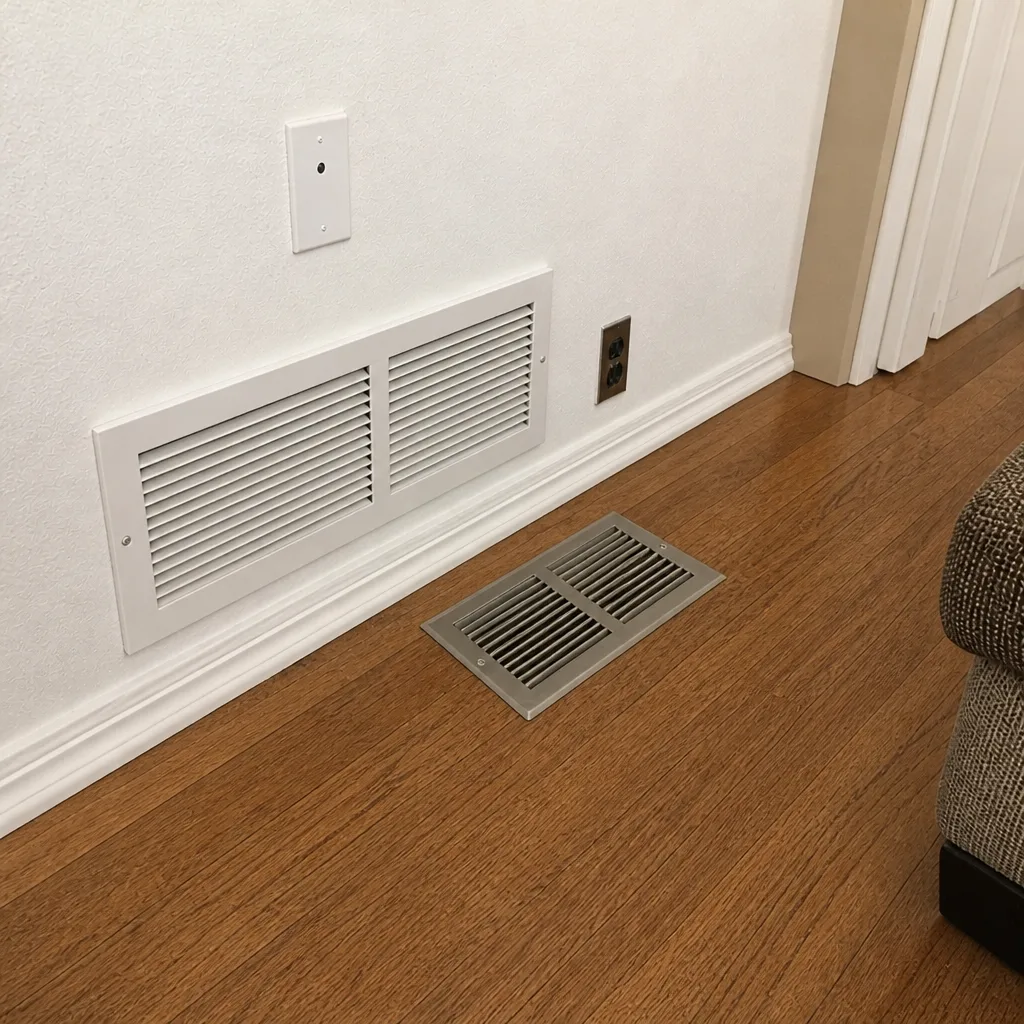
Whole-system duct and dryer vent check with before-and-after photos - you see exactly what came out of your vents
That "$99 whole-house special" is a bait ad - the real number appears once they are in your hallway, or the "clean" is a shop-vac at the register. We photograph the inside of your ducts before and after instead.
Air Duct Cleaning Maintenance Checklist for Highlands Ranch Homeowners
Changing your filter on schedule feels responsible. Then a clogged return grille quietly undoes that effort within a few weeks, and most homeowners have never once pulled the cover to look. A duct system isn’t something you set and forget between professional cleanings; it’s a living part of your HVAC setup that loads up, shifts, and tells you things if you know what to watch. That’s what this checklist is for. We’ll walk you through a monthly inspection routine you can actually do, seasonal checkpoints built around Highlands Ranch conditions, and the line between what you can clean yourself and what needs professional equipment. By the end, you’ll have a documented history that tells you when real cleaning is due – not just when someone wants to sell it to you.
Styles & brands we work with
- Whole-home duct cleaning
- Dryer vent cleaning
- Camera inspection
- Sanitizing & deodorizing
Quick Answer
A workable duct maintenance checklist for a Highlands Ranch home has three layers: a monthly visual inspection of grilles, filter fit, and visible duct connections; seasonal checkpoints tied to fall wildfire-smoke season and spring AC startup; and a written log of what you find so a professional can see the system’s history. You clean grille covers and reachable register boots yourself, and you bring in professional equipment when the checklist shows buildup, bypass gaps, or filter loading that’s speeding up.
Table of Contents
- Your Monthly Visual Inspection Routine
- Tracking Filter Loading as a System Health Signal
- Seasonal Checkpoints for Highlands Ranch Conditions
- What You Can Clean Yourself vs. What Needs Pro Equipment
- Building a Documented History of Your Duct System
- Reading the Signs That Point to Duct Repair
- The Dryer Vent Line on Your Checklist
- Common Mistakes to Avoid
- When to Call a Professional
- Frequently Asked Questions
- The Bottom Line
Your Monthly Visual Inspection Routine
A monthly walkthrough of your duct system takes about ten minutes and catches most problems long before they turn into an expensive repair. The idea isn’t to clean anything during these checks – it’s to look, note, and photograph. Here’s the routine we suggest to homeowners in Highlands Ranch.
- Grille by grille: Remove or lift each supply and return grille cover. Look at the grille face and the visible duct throat behind it. Log dust color (gray, black, brown), any visible debris, and whether the grille is warped or loose.
- The filter slot: Check that your filter sits flush in its channel with no gaps on the sides or top. A filter that’s undersized or bowed lets air bypass it entirely, which is the single most common cause of buildup downstream.
- Flex duct connections: Where you can see flex duct in a basement or mechanical closet, look for disconnected collars, sagging runs, or tape that’s peeling away from a joint. Any of those is a breach that lets unfiltered air into the system.
- Return grilles in particular: These pull air rather than push it, so they collect more dust and mat faster than supply grilles. A clogged return can starve the system of airflow within a few weeks.
- Odor check: Note any musty, dusty, or smoke smell when the system kicks on. Odor is one of the clearest signals that something needs attention beyond a surface cleaning.
Log the date, what you found, and a quick photo of each grille. Six months of those notes tells a far more useful story than a single inspection ever could. If you’d rather have a trained eye do the first pass, our air duct cleaning service starts with an inspection so you have a baseline. Homes in Highlands Ranch sit at elevation in a dry, windy climate, which means grilles and returns tend to load faster than in lower, more humid regions. That makes the monthly habit worth keeping.
Tracking Filter Loading as a System Health Signal
Most homeowners treat filter changes as a calendar task – every 90 days, or every 60, depending on what the packaging says. That’s a fine starting point, but it ignores what the filter is actually telling you. The rate at which your filter loads is a proxy for the health of the duct system upstream of it. A filter that suddenly clogs in half the usual time is usually pointing at a breach, a disconnected run, or heavy buildup somewhere in the return path.
Here’s how to turn filter changes into data:
- Note the install date on the filter frame with a marker, and note the removal date when you swap it.
- Photograph the old filter next to a ruler or coin so you can compare loading across cycles.
- Rate the load on a simple scale: light gray, medium gray, dark gray, or caked.
- Compare cycles. If your last three 90-day cycles all came out light gray and the current one is caked at 45 days, that’s a signal worth investigating.
- Check the MERV rating and confirm it matches what your HVAC system is rated to handle. A filter that’s too restrictive can actually reduce airflow and stress the blower.
When filter loading accelerates, we typically look at three things: return-side leaks, disconnected flex duct at the plenum, or heavy buildup in the main trunk. All three are things professional equipment catches quickly. Our technicians have up to 8 years of experience diagnosing exactly this kind of pattern. The point isn’t to sell you a cleaning on the first fast-loading filter – it’s to figure out why it’s loading fast. Once that’s clear, the checklist tells you whether it’s a maintenance issue or a repair issue.
Seasonal Checkpoints for Highlands Ranch Conditions
Highlands Ranch has its own rhythm, and a duct checklist should follow it. Two checkpoints matter more than any others through the year.
Fall: post-wildfire-smoke season
By the time fall arrives, your system has spent months pulling in outside air laced with whatever smoke drifted through the Front Range during the summer. Smoke particles are small enough that some pass straight through standard filters and settle in duct surfaces and on the blower wheel. A fall inspection does three things:
- Check return grilles and the air handler cabinet for visible soot or black residue.
- Smell-test the system by running the fan for a minute with the thermostat set to “on.”
- Note any increased filter loading compared to spring and summer cycles.
Spring: pre-AC-startup check
Before the cooling season kicks in, run the same walkthrough you’d run before heating season. Confirm flex connections are intact, grilles are secure, and the filter is fresh. Spring checks catch winter damage – a disconnected collar from a cold snap, a grille knocked loose by furniture moves – while the system is still easy to service. Getting ahead of AC startup also means you’re not paying for an emergency call when the first hot week hits. If your spring inspection shows buildup worth addressing, book a Highlands Ranch service visit before the calendar fills up.
What You Can Clean Yourself vs. What Needs Pro Equipment
There’s a small set of jobs a homeowner can and should handle. Beyond that, the answer is professional equipment, and it’s not a close call.
Reasonable DIY
- Grille covers: Pop them off and wash them in the sink or with a hose. Dry thoroughly before reinstalling.
- Accessible register boots: The short sheet-metal throat just behind the grille can be wiped with a damp cloth. Don’t reach beyond the boot into the flex duct.
- Return grille faces: Vacuum the face and the frame with a brush attachment monthly.
- Exterior of the air handler: Wipe down, and vacuum around it to keep dust from being drawn in.
Leave to professional equipment
- Inside the duct runs themselves – the interior surfaces of flex and sheet-metal ducting that only a rotary brush or HEPA vacuum can reach without damaging the liner.
- The plenum and main trunk – the large central runs where most buildup collects.
- The blower wheel and evaporator coil – cleaning these requires disassembly and re-assembly done right, and getting it wrong can damage the equipment.
- The return-side negative pressure work – proper containment prevents the debris you dislodge from landing back in your living space.
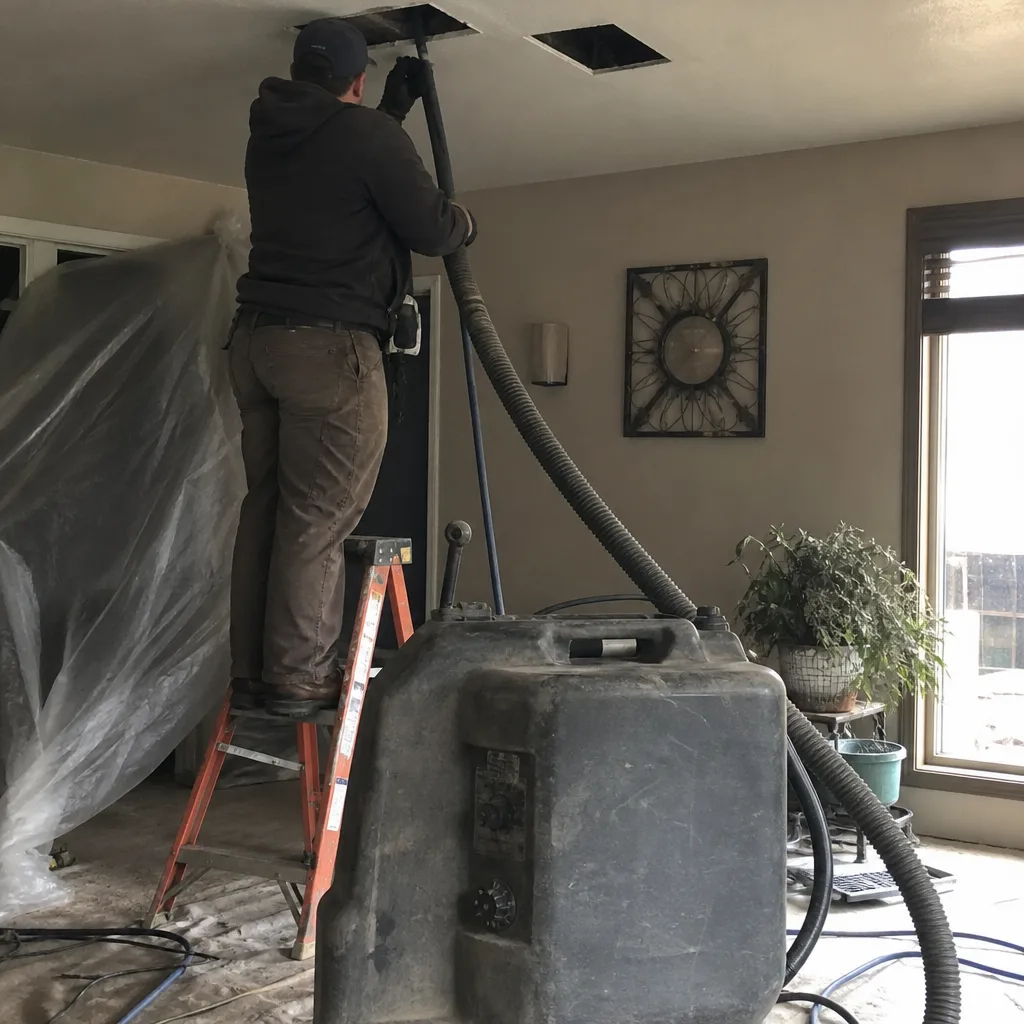
This is where the equipment stack makes the difference. A high-powered shop vacuum from the garage moves surface dust but doesn’t reach the interior surfaces of a duct run, and it does nothing to keep what it loosens from recirculating into the house. Professional systems from Rotobrush and Nikro are built to reach and remove what accumulates inside the runs. Our crews also run Abatement Technologies negative-air equipment on every job, so what gets dislodged is captured rather than pushed back through the register. That’s the piece most homeowners never see until it’s missing.
Building a Documented History of Your Duct System
The single most useful thing this checklist produces isn’t a clean system – it’s a record. A documented history tells you when cleaning is genuinely due, and it tells a technician exactly where to look first. Without one, every conversation about duct cleaning starts from zero, which is exactly the situation the low-bid segment of this industry prefers.
Here’s a simple log format to keep, either in a notebook near the air handler or in a shared note on your phone:
- Date and what was checked (grilles, filter, flex connections, air handler).
- Filter cycle – install date, removal date, load rating, and a photo.
- Grille notes – which grilles looked worse than others, and any visible debris.
- Odor or airflow notes – anything that changed since the previous check.
- Professional service dates – when the system was last cleaned, and what was done.
After a year of this, you’ll have a real baseline. You’ll know how fast your filters load, which grilles collect the most, and whether the trend is stable or accelerating. That’s the difference between booking a cleaning because a coupon showed up and booking one because your own records say the system is due. If you’re starting from scratch, a first professional cleaning from Remington Air Duct Cleaning gives you a clean baseline date – everything after that is comparison. From there, most Highlands Ranch homes fall into a two-to-three-year cycle for professional cleaning, though that shifts if you have pets, recent renovation, or persistent wildfire-smoke exposure.
Reading the Signs That Point to Duct Repair
Cleaning alone can’t fix a duct system that’s leaking or disconnected, and we see this often: a system gets cleaned, and within a few months the filter loading is back to where it started. That’s because the real problem wasn’t buildup – it was a breach. Signs to watch for in your monthly log:
- One room never gets comfortable even when the rest of the house does, suggesting a disconnected or crushed run feeding that register.
- Filter loading accelerates without a corresponding change in pets, occupants, or outdoor conditions – a sign of return-side leakage.
- Visible sagging or kinked flex duct in the basement or mechanical closet.
- Peeling tape or disconnected collars at any visible joint.
- Whistling or unusually loud airflow at a register, which can point to a partially disconnected run.
Duct repair isn’t a bolt-on to cleaning – it’s a distinct service with its own diagnosis and its own scope. We offer air duct cleaning and repair as separate services because the two solve different problems, and mixing them without a clear scope is exactly how homeowners end up paying for work they didn’t need. If your log shows any of the signs above, ask for a repair assessment before committing to a cleaning.
The Dryer Vent Line on Your Checklist
Duct maintenance for most homeowners stops at the HVAC system, and the dryer vent gets forgotten. That’s a mistake, because a clogged dryer vent is one of the leading causes of residential fires – not a comfort issue but a safety one. We treat dryer vent cleaning as its own service because it deserves its own attention, and it slots neatly into the same monthly and annual routine.
Monthly check: pull the lint screen and clean it. Look behind the dryer for crushed or kinked flex duct. Annual check: disconnect the vent from the dryer (with the power off) and look inside the duct with a flashlight – if you can’t see daylight at the exterior termination, there’s a clog worth addressing. Our crews use the same professional equipment on dryer vents as on HVAC ducting, and the process is fast because the run itself is short. Homes in Highlands Ranch with long dryer runs to the exterior wall tend to clog faster than short runs, so if your dryer sits far from the outside wall, put the annual check on the calendar.
Common Mistakes to Avoid
- Skipping the return grilles. Supply grilles collect dust visibly, so they get attention. Returns are the ones doing the heavy lifting on system load, and a clogged return quietly starves airflow and speeds up filter loading. Check returns first, not last.
- Ignoring filter bypass gaps. A filter that doesn’t sit flush in its channel lets air go around it entirely, which means buildup happens downstream no matter how often you change it. Check the fit, not just the replacement schedule.
- Clean-venting a system that needs repair. If a flex duct is disconnected or a collar has failed, cleaning won’t help – it just re-loads within a few months. Diagnose the breach first.
- Booking on price alone. A quote that doesn’t include negative-air containment, a rotary brush, and a HEPA vacuum isn’t doing the same job. Some low-bid services run a blower and call it cleaning; that redistributes debris more than it removes it.
- Never inspecting the dryer vent. Improper dryer vent maintenance is a leading fire cause that easy monthly checks would prevent. Put it on the annual checklist.
- Ignoring seasonal timing. Skipping the fall checkpoint after smoke season or the spring check before AC startup means problems compound through a season before you catch them. Two checkpoints a year head this off.
- Keeping no record. Without a log, you can’t tell whether buildup is normal or accelerating, and neither can a technician on a first visit. Ten minutes a month of notes solves this.
When to Call a Professional
Your checklist is designed to tell you when professional work is genuinely due. The triggers we look for: filter loading has accelerated noticeably compared to your logged baseline, visible debris has appeared at multiple grilles beyond surface dust, an odor persists when the fan runs, or your log shows it’s been two to three years since the last professional cleaning with no change in household conditions. Also call when the checklist shows a suspected breach – sagging flex, peeling tape, a disconnected collar, or a room that never warms properly. Remington Air Duct Cleaning offers free estimates in Highlands Ranch – call (866) 890-5531. We’ll inspect the system, tell you what’s actually due versus what can wait, and give you a written estimate before any work starts. There’s no fee for the estimate and no pressure to book – the point of a checklist is catching what needs attention, not paying for what doesn’t.
Frequently Asked Questions
Most Highlands Ranch homes do well with a professional cleaning every two to three years, though homes with pets, recent renovation, or persistent wildfire-smoke exposure often land closer to every two years. Your own filter-loading log is the more accurate guide. When loading accelerates beyond your baseline, that’s the signal to book. Call (866) 890-5531 for a free estimate if you’re not sure.
No – regular filter changes help but don’t replace professional cleaning. Filters capture air passing through them, but debris accumulates on duct interior surfaces, the blower wheel, and the evaporator coil over years, and none of that reaches a filter. Filters also can’t clean the return side of your system, where most buildup collects.
A room that never reaches temperature, visible sagging or disconnected flex duct, peeling tape at a joint, or filter loading that accelerates without a clear reason all point to a breach. In those cases, duct repair should come before or alongside cleaning, because cleaning a leaking system just re-loads it. Ask for a repair assessment when you book.
Yes, in two ways. The dry, windy Front Range climate loads grilles and returns faster than more humid regions, so monthly checks catch more. Wildfire-smoke season through summer leaves fine particles in the system that a fall inspection is designed to catch. Running both checkpoints through the year keeps the system from carrying that load into the next season. Call (866) 890-5531 to schedule a fall or spring inspection.
Ask for before-and-after photos of your own ducts – not stock images, your system. A professional crew photographs the before state at the return and main trunk, then photographs the same locations after cleaning, and shows you the difference. You should also see Abatement Technologies negative-air equipment on site, since that’s what keeps debris from recirculating. If a crew can’t show you either, ask why. Call (866) 890-5531 for a free estimate on a properly documented cleaning.
Yes, booking both services together makes sense because the same crew and most of the same equipment handle them. A dryer vent is a separate run from your HVAC ducting, and it clogs for different reasons: lint rather than dust. If your dryer sits far from the exterior wall, or your last vent cleaning was over a year ago, book it alongside the duct cleaning. Call (866) 890-5531 for a combined estimate.
The Bottom Line
A duct maintenance checklist works because it replaces a guess with a record. Monthly visual checks catch filter bypass, grille loading, and flex-duct breaches before they compound. Seasonal checkpoints – fall after smoke season, spring before AC startup – catch what the monthly walkthrough misses. Filter loading rate is the single most useful signal in the system: when it accelerates, something upstream has changed, and that’s when to investigate rather than just re-clean. Doing the small jobs yourself (grilles, boots, exterior wipe-down) and leaving the interior runs, plenum, and blower to professional equipment keeps both the DIY and the paid work honest. A documented log tells you when cleaning is genuinely due, and it gives any technician a starting point. If the checklist points to professional work, we’re glad to take a look. Call (866) 890-5531 for a free estimate. We answer 24/7. Fast dispatch from 7am to 7pm, Sunday through Friday.
Written by the team at Remington Air Duct Cleaning.
See the difference
 Before
 After
 Before
 After
 Before
 After