
Last updated November 16, 2026
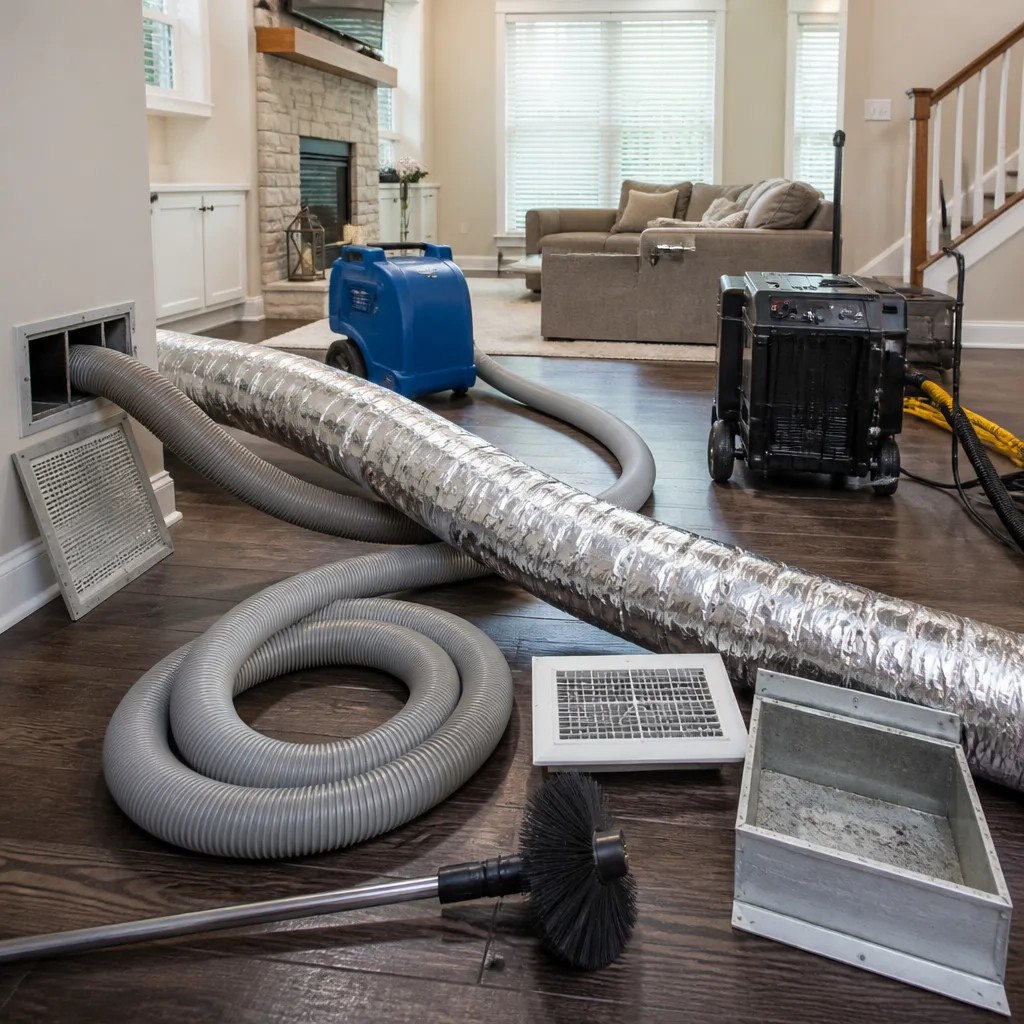 Whole-home duct cleaning
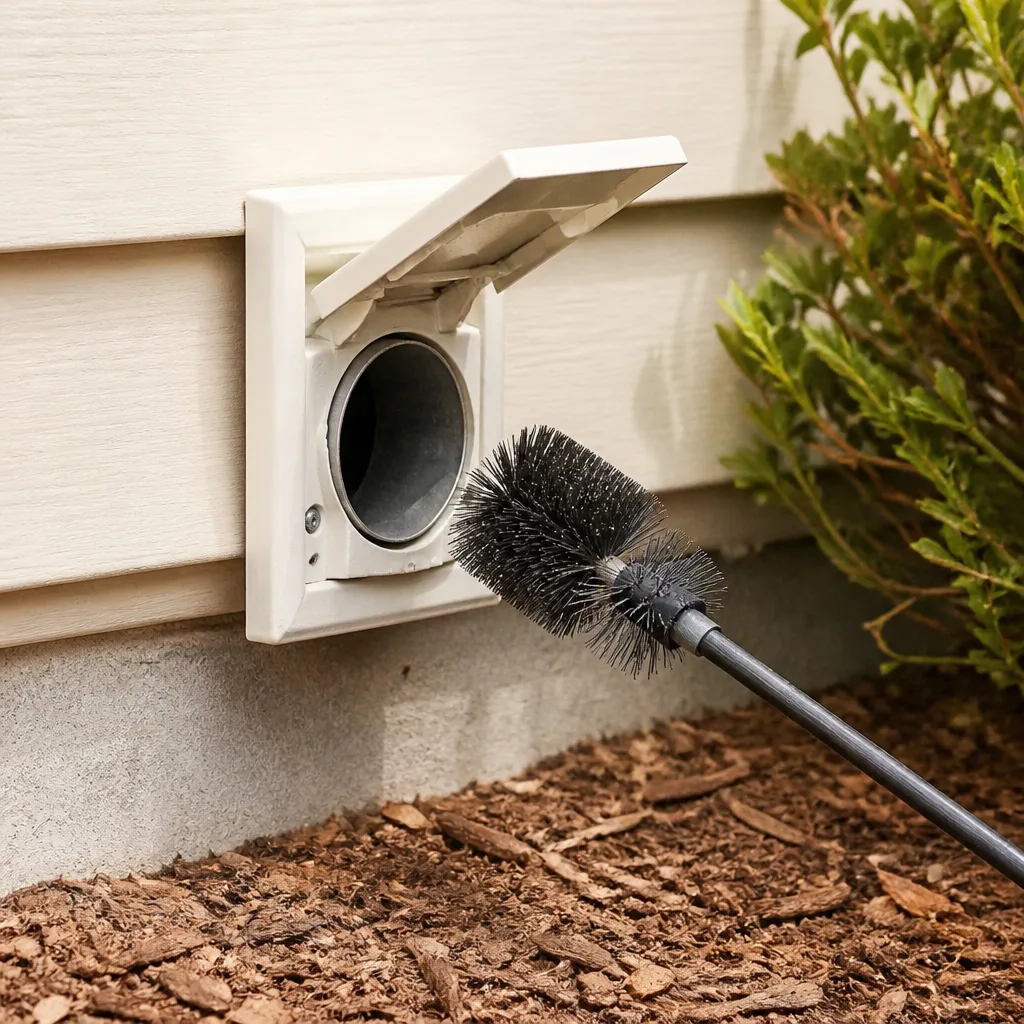 Dryer vent cleaning
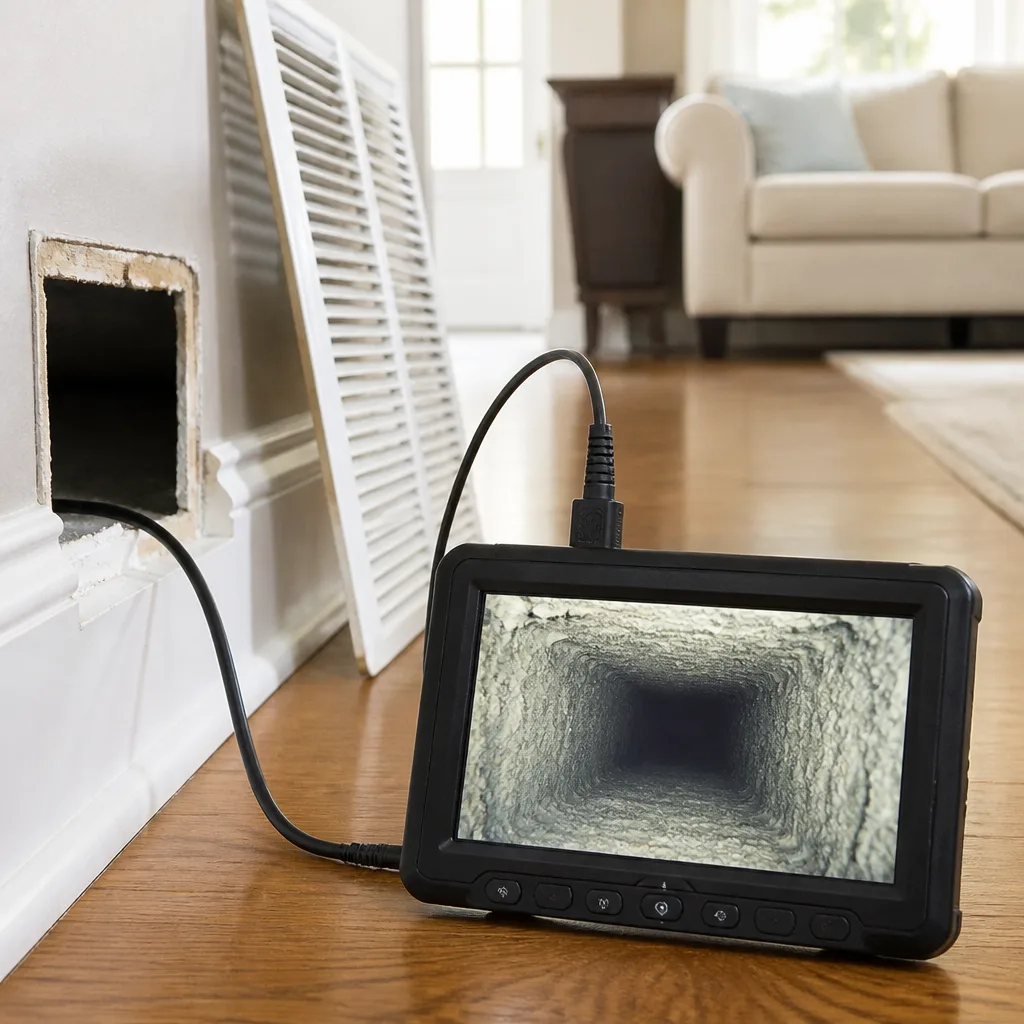 Camera inspection
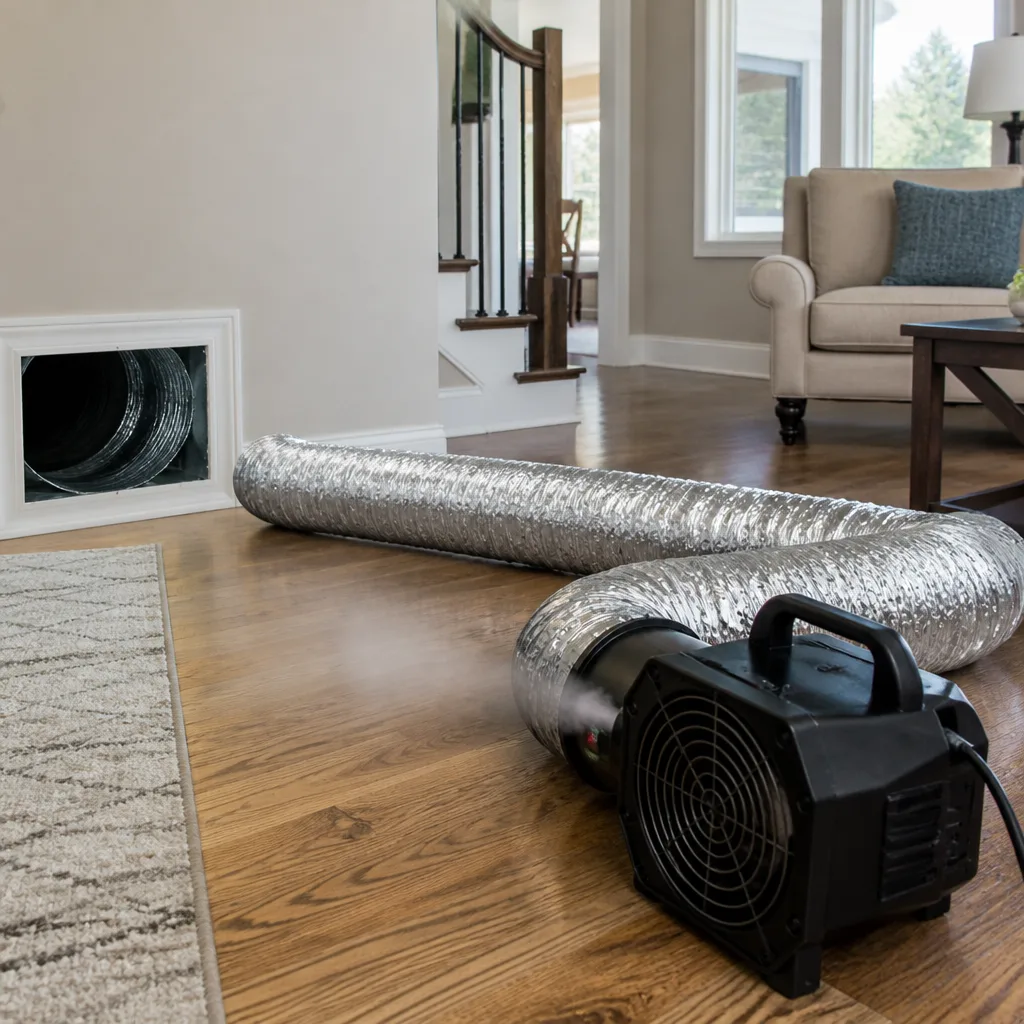 Sanitizing & deodorizing
Whole-system duct and dryer vent check with before-and-after photos - you see exactly what came out of your vents
That "$99 whole-house special" is a bait ad - the real number appears once they are in your hallway, or the "clean" is a shop-vac at the register. We photograph the inside of your ducts before and after instead.
Air Duct Cleaning Permits, Codes & Inspections in Highlands Ranch, CO: What You Need to Know
Here’s the part most homeowners miss: the cleaning itself almost never needs a permit, but the repair work that often turns up during a cleaning visit can. If a contractor patches a torn duct, replaces disconnected flex, or reseals a plenum connection while they’re in your system, that falls closer to mechanical work than maintenance. In Colorado, mechanical work is regulated. That’s the line worth understanding before anyone starts. In this guide, we’ll walk through what requires a permit in Highlands Ranch, when duct repair crosses into licensed mechanical territory, how mold guidelines from the state health department apply, and the questions to ask before you sign off on any extra work.
Quick Answer
Air duct cleaning in Highlands Ranch typically requires no permit because it’s a maintenance service, not construction. Duct repair that involves modifying, replacing, or reconnecting ductwork may fall under Colorado’s adopted mechanical code and could require a permit plus a licensed mechanical contractor. Mold remediation in ductwork follows Colorado Department of Public Health and Environment guidance and is treated differently from routine cleaning. Ask your contractor which category the work falls into, in writing, before anything begins.
Styles & brands we work with
- Whole-home duct cleaning
- Dryer vent cleaning
- Camera inspection
- Sanitizing & deodorizing
Table of Contents
- What Counts as Air Duct Cleaning vs. Duct Repair?
- Does Air Duct Cleaning Require a Permit in Highlands Ranch?
- When Duct Repair Crosses Into Colorado Mechanical Code
- Mold in Ductwork: State Health Department Guidance
- HOA Rules and Exterior Vent Termination in Highlands Ranch
- Questions to Ask Before Work Begins
- What a Real Post-Work Inspection Looks Like
- Dryer Vent Codes and Fire Safety
What Counts as Air Duct Cleaning vs. Duct Repair?
The distinction sounds academic until you’re the one holding two invoices. Cleaning means the system is left exactly as it was found, only cleaner. Repair means the physical ductwork changes: a joint gets sealed, a section gets replaced, a run gets rerouted, or a disconnected piece of flex gets reattached. In our experience, most Highlands Ranch homes calling for cleaning end up with at least one finding that sits in the repair column, because this housing stock is now old enough that duct tape and mastic from twenty years ago has started to fail.
Here’s how we talk about it internally:
- Cleaning activities: source removal of dust, debris, and contaminants using rotary brushes and negative-air vacuum. No modification to the physical system.
- Inspection activities: running a camera through the ducts, checking static pressure, identifying compromised joints and disconnected runs. Still no modification.
- Repair activities: sealing joints, replacing sections of flex or rigid duct, reconnecting plenums, correcting improper transitions at the air handler, or addressing crushed or undersized runs. These change the system.
Only the third category starts to touch the mechanical code. Cleaning and inspection are maintenance. Repair is construction work on a mechanical system.
That matters for two reasons. First, the person you hire may be trained to clean but not licensed to repair. Second, if the work needs a permit, skipping it can affect your homeowner’s insurance, surprise an inspector at resale, and complicate any future warranty claim. Knowing which bucket your job belongs to before anyone touches the ducts keeps that from becoming a problem.
Does Air Duct Cleaning Require a Permit in Highlands Ranch?
Air duct cleaning itself is generally considered a maintenance activity and usually does not require a permit from the local building department. Highlands Ranch is an unincorporated community within Douglas County, so building permitting runs through Douglas County’s building department rather than a city office. If you want certainty on a specific project, that department is the right place to ask, and a quick phone call settles it faster than any online forum.
What does require a permit, generally speaking:
- Adding, removing, or rerouting a duct run in a way that changes the system layout
- Replacing a significant section of ductwork or a plenum
- Connecting new ductwork to an HVAC system where none existed before
- Work on the mechanical equipment itself, such as a furnace or air handler replacement
What typically does not:
- Source-removal cleaning with brushes and negative-air vacuum
- Visual and camera inspection of the duct system
- Sealing a small joint with mastic or approved tape as part of a cleaning visit
- Cleaning the dryer vent, when no modification to the vent path is involved
The line is not perfectly bright. Small repairs are often handled as part of maintenance, while anything that changes the configuration of the system moves toward permit territory. Ask the contractor to tell you, in writing, which category their proposed work sits in. For routine air duct cleaning in most Highlands Ranch homes, the answer is maintenance, no permit needed. But if the technician recommends anything beyond cleaning, ask the question again.
When Duct Repair Crosses Into Colorado Mechanical Code
Colorado has adopted the International Mechanical Code as the basis for mechanical work statewide, and Douglas County operates under a version of that framework for permitting and inspection. The code covers the installation, alteration, repair, replacement, and maintenance of mechanical systems, including duct distribution. Cleaning is generally treated as maintenance under the code. Repair and alteration of duct systems are where the regulated territory begins.
Walk through the practical sequence of a repair that falls under this code:
- Identification. A camera inspection finds a disconnected run, crushed flex, or a breach at a plenum transition.
- Determination. The contractor decides whether the fix is a minor sealed joint (usually maintenance) or a replacement, reroute, or new connection (potentially permit-required).
- Permit. If the work is permit-required, it’s pulled through Douglas County’s building department before anything begins. The puller is typically a licensed mechanical contractor.
- Installation. The licensed mechanical contractor performs the work. Cleaning technicians can be involved in the cleanup afterward, but the structural repair is done under the licensed scope.
- Inspection. A Douglas County inspector signs off on the mechanical work before it’s closed up.
The question you want to ask at step two is straightforward: “Is this work I’m being quoted a cleaning activity or a mechanical repair?” A contractor who knows the difference will answer in a sentence. A contractor who doesn’t may not even understand why you asked.
What we look for on our own inspections in Highlands Ranch is usually one of three things: torn flex where a run enters the plenum, crushed flex at a sharp turn behind a return grille, and dust-loaded gaps where mastic has dried and cracked away from the boot. Torn and crushed flex typically need replacing, which means removing the damaged section, installing a new one, and sealing both ends. Whether that specific fix requires a permit depends on how extensive it is, which is why we tell every homeowner to confirm with the county before signing off.
Mold in Ductwork: State Health Department Guidance
The Colorado Department of Public Health and Environment treats indoor mold as a moisture problem first and a remediation problem second. The core message from CDPHE is that mold will return if the water source isn’t addressed, and that small areas of surface mold inside a duct or on a plenum aren’t automatically a health emergency. Larger areas, or repeated growth after cleaning, point to a moisture problem in the system that needs a different kind of attention.
For a Highlands Ranch homeowner, this translates into a useful question: is the growth routine buildup, or is it a sign of an underlying moisture issue? Routine buildup looks like dust and light surface growth in a system that hasn’t been cleaned in years. Underlying issues show up as recurring growth after cleaning, moisture in the plenum, condensation on cold surfaces, or a musty smell that returns quickly.
CDPHE’s guidance breaks roughly into three practical tiers:
- Routine cleaning: light dust and possible surface growth in an otherwise dry system. Handled as part of standard cleaning with proper containment and HEPA filtration.
- Targeted remediation: localized growth in a defined area, often around a known moisture source. Requires identifying and fixing the moisture source along with the cleaning.
- Larger remediation: growth spreading beyond a small area, or returning after thorough cleaning. Warrants a deeper conversation about the moisture source and possibly a specialist.
The relevant safety caveat: never let a contractor fog or “sanitize” the entire system as a substitute for source removal. The professional standard is physical removal of the growth with negative-air containment, not chemical masking. That’s the reason we run Abatement Technologies negative-air equipment on every job: contaminants get captured at the source instead of recirculated through the house.
HOA Rules and Exterior Vent Termination in Highlands Ranch
Highlands Ranch is one of the most heavily HOA-organized communities in the Denver metro. Multiple associations govern neighborhoods across the community, and their architectural guidelines often extend to exterior details most homeowners never think about – including vent terminations. If a duct repair or dryer vent modification changes where a vent exits the house, or changes the type of exterior hood on the wall or roof, the HOA may need to approve it before the work happens.
Common HOA concerns for vent work:
- Style of exterior vent hood. Many associations require a specific look or color for the wall cap or roof jack, so swapping to a different style without approval can mean re-doing the work.
- Location on the exterior wall. Moving a dryer vent termination (say, to shorten the run) changes the exterior appearance and may need HOA sign-off.
- Screening requirements. Some associations have rules about pest screens and backdraft dampers, particularly on dryer vents where lint accumulation is a fire risk.
- Roof penetrations. If duct repair requires a new roof jack or replacement of an existing one, that intersects both the HOA rules and, in many cases, the roofing contractor’s scope.
The practical sequence: check your HOA’s architectural guidelines for “exterior modifications” or “ventilation” first, request approval in writing if the change is visible from the street or common areas, and keep the approval on file with your home records. Most associations respond within a couple of weeks for routine requests. Getting that paperwork sorted before scheduling the work saves the headache of an unapproved vent sitting on your wall.
If your dryer vent path doesn’t need any modification, HOA approval is usually not required for cleaning. For more on that side of the work, our dryer vent cleaning page covers what routine maintenance involves and where the line is between cleaning and modification.
Questions to Ask Before Work Begins
You don’t need to know the mechanical code yourself. You need to know which questions force a straight answer. These are the ones we recommend every Highlands Ranch homeowner ask, in this order, before signing anything:
- “Is the work you’re quoting a cleaning activity or a mechanical repair?” This single question sorts the job into the right bucket.
- “If it’s a repair, does it require a permit from Douglas County?” A good contractor knows the answer or knows how to check.
- “If a permit is required, who pulls it, and who performs the repair?” Permits are typically pulled by a licensed mechanical contractor, not a cleaning technician.
- “Do you use negative-air containment and HEPA filtration during cleaning?” Without these, dislodged debris ends up back in your living space.
- “Will you show me before-and-after photos of my actual ducts?” Photos of your system, not stock photos of a different job, are the proof the work was done.
- “If a mold finding is involved, what does remediation look like, and are you addressing the moisture source?” Cleaning alone won’t fix recurring growth.
- “If this repair changes an exterior vent, is HOA approval required?” Ask the HOA directly if the contractor isn’t sure.
The pattern across all seven questions is this: you’re asking the contractor to draw a clear line between maintenance, mechanical work, and any cosmetic change that triggers HOA rules. A technician who can talk through all three is the one worth hiring.
What a Real Post-Work Inspection Looks Like
There’s no county sign-off on a routine cleaning, which means the inspection that matters is the one you do yourself with the contractor’s help. A proper post-work check happens before the truck leaves, and it’s visible:
- Photos of the ducts before cleaning, showing the condition inside the supply and return runs.
- Photos of the same runs after cleaning, showing the same locations clear, with the walls of the duct visible.
- A walk-through of the registers, confirming no residual dust has settled at the grilles.
- Confirmation of static pressure readings, if they were taken before cleaning. A drop in static pressure usually indicates better airflow after cleaning, which is one of the quieter benefits.
- A written summary of any findings that don’t fall under cleaning, with the repair or HOA-approval next steps identified.
If the work involved a permit-required repair, the county inspector handles the code portion of that. The mechanical contractor who performed the work should provide you with the inspection sign-off. Keep that in your home records; it’s the document a future buyer’s inspector will look for.
We use a Rotobrush rotary brush system for source removal inside the ducts, followed by a Nikro HEPA vacuum, and negative-air containment throughout the job to keep what’s dislodged from coming back into the house. That’s the equipment stack that produces the before-and-after photos we show every homeowner at the end of the visit. Without that combination, the photos are usually either missing or not very convincing.
Dryer Vent Codes and Fire Safety
Dryer vents get their own set of rules because the stakes are higher. Lint buildup in a dryer vent is a leading cause of residential fires, and the mechanical code addresses vent length, material, and termination in ways that cleaning alone doesn’t solve. When we’re called for dryer vent service in Highlands Ranch, most of the work is straightforward cleaning, but a meaningful minority of homes have a vent configuration that isn’t up to code and needs a different conversation.
The common code-relevant issues we see:
- Ribbed or vinyl flex duct. The mechanically-ribbed, flexible foil and vinyl products accumulate lint in the ridges and are generally not permitted for dryer vent use. Smooth metal duct is the standard.
- Excessive length. The mechanical code limits dryer vent run length and counts each elbow as additional footage. Long runs in a multi-level Highlands Ranch home sometimes exceed the limit, which requires either a shorter route or a booster fan.
- Terminations into attics, garages, or crawl spaces. Vents must terminate outside the building, not into an enclosed space. This is a fire risk, not a comfort issue.
- Missing or damaged backdraft dampers. These prevent outside air and pests from entering and are required by the code on most installations.
If a dryer vent modification is recommended, ask whether it’s a cleaning-level fix or a code modification. The latter usually needs a permit through Douglas County and a licensed mechanical contractor. For the routine side, dryer vent cleaning covers the annual maintenance that keeps the system safe.
Common Mistakes to Avoid
- Skipping the permit on a duct repair. Homeowners sometimes treat small duct repairs as cleaning, then face an insurance snag or a resale complication later. Ask the contractor which category the fix falls in before it starts.
- Assuming a cleaning technician can do mechanical repairs. Cleaning, inspection, and repair are three different scopes. If a repair requires a licensed mechanical contractor, the cleaning tech shouldn’t be the one making the structural change.
- Forgetting the HOA on exterior vent changes. Highlands Ranch’s HOA guidelines cover more than most homeowners expect. A new vent hood or a moved dryer vent termination can require approval before installation, not after.
- Treating mold as a cleaning problem. If the growth returns after cleaning, the moisture source is the problem. CDPHE guidance is clear that cleaning without fixing the moisture is a temporary fix.
- Accepting a “sanitizing fog” as remediation. Fogging masks the problem. Source removal with negative-air containment is the standard.
- Letting a contractor use stock photos instead of yours. Before-and-after photos of your own ducts are the only proof the work was done. Stock photos of a different job prove nothing.
- Overlooking the dryer vent entirely. It’s often on the same visit as duct cleaning, and it carries the highest safety stakes. Ask for it to be inspected even if cleaning wasn’t on your original list.
See the difference
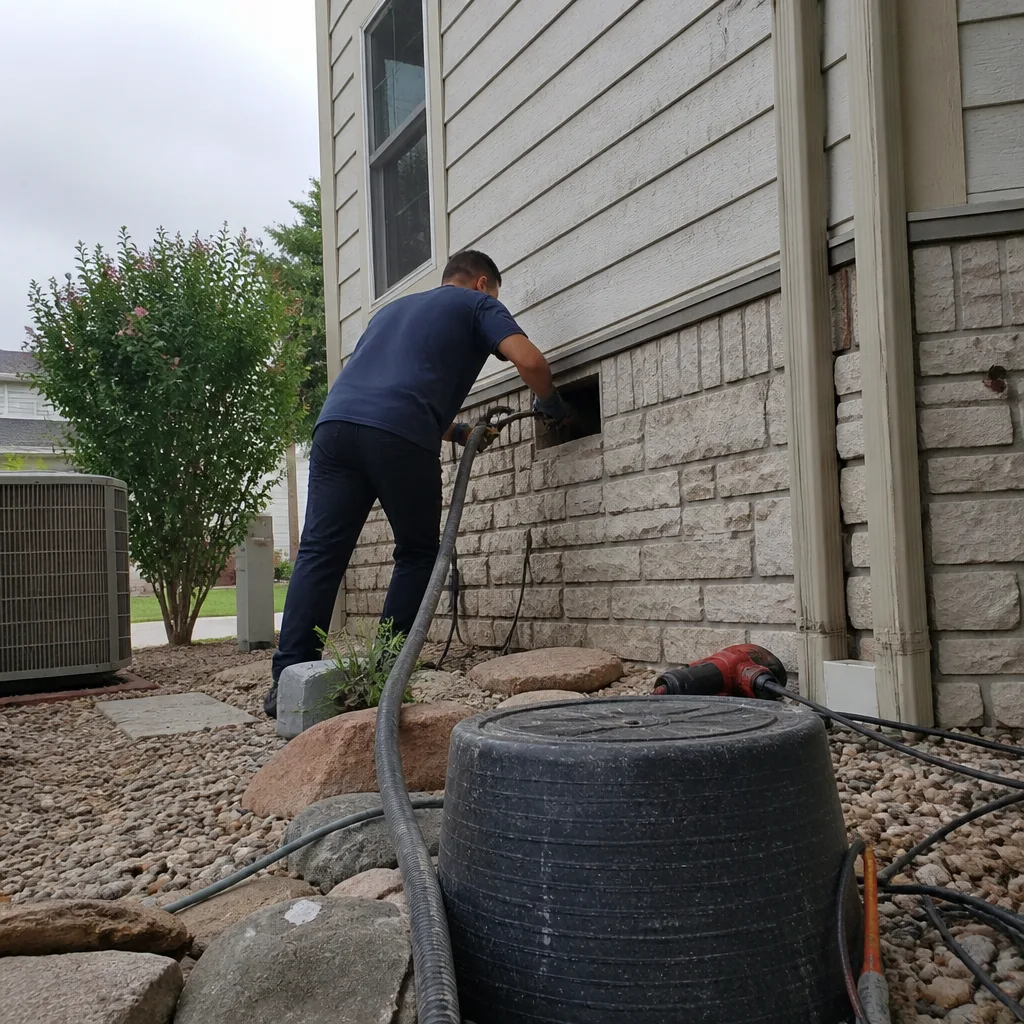 Before
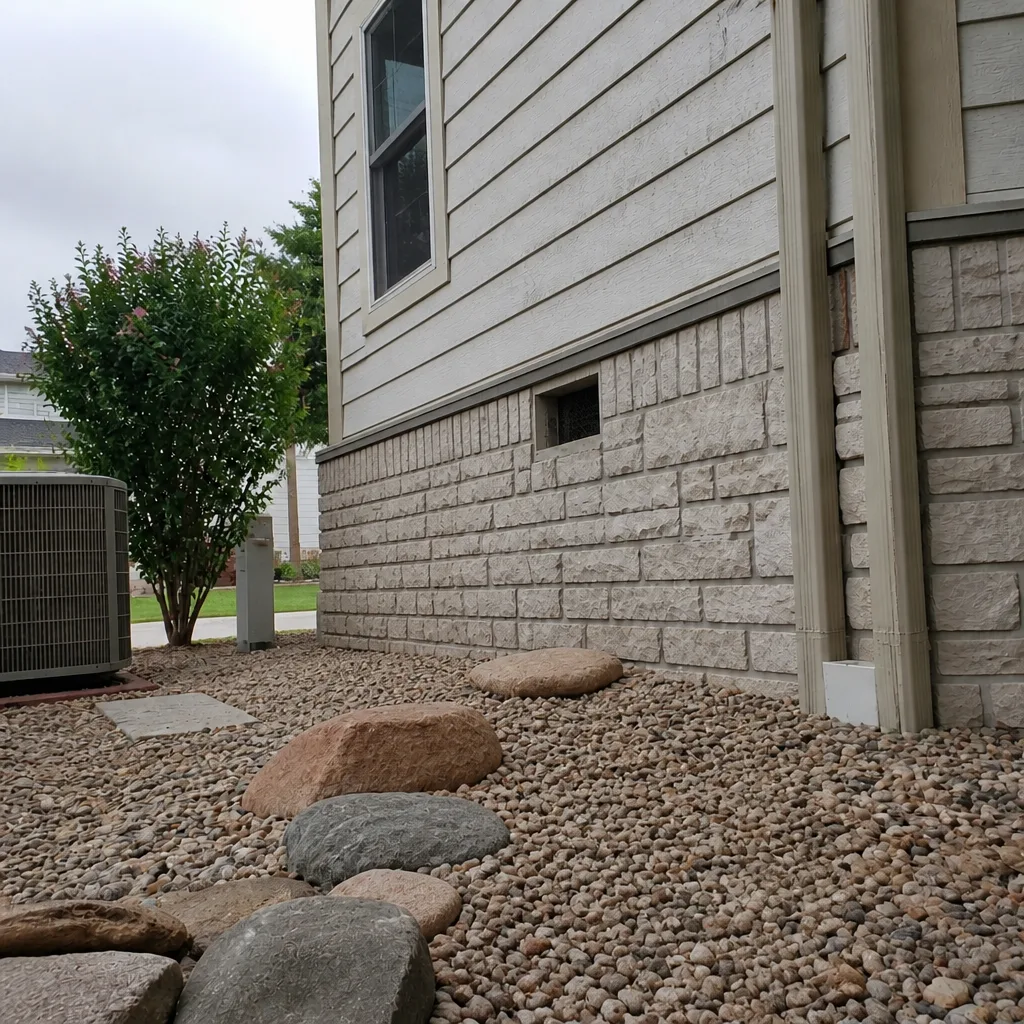 After
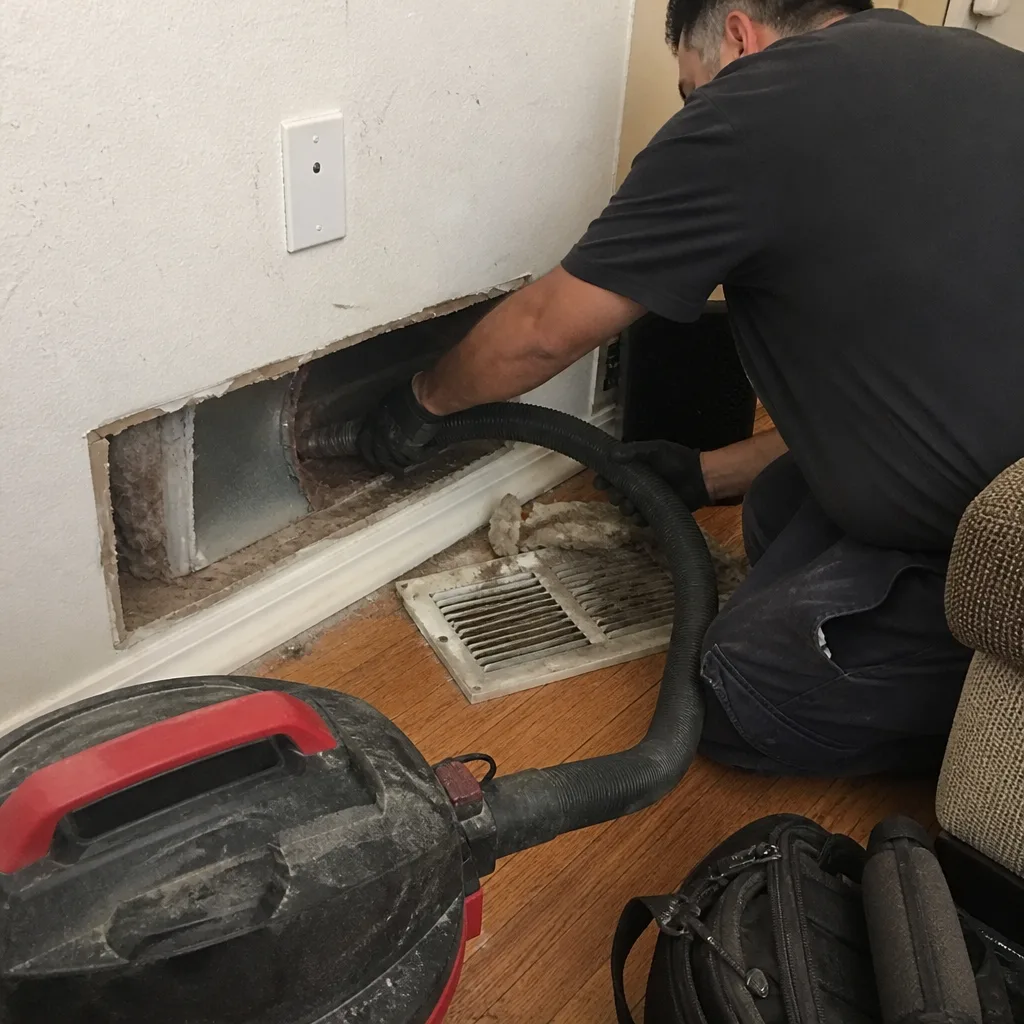 Before
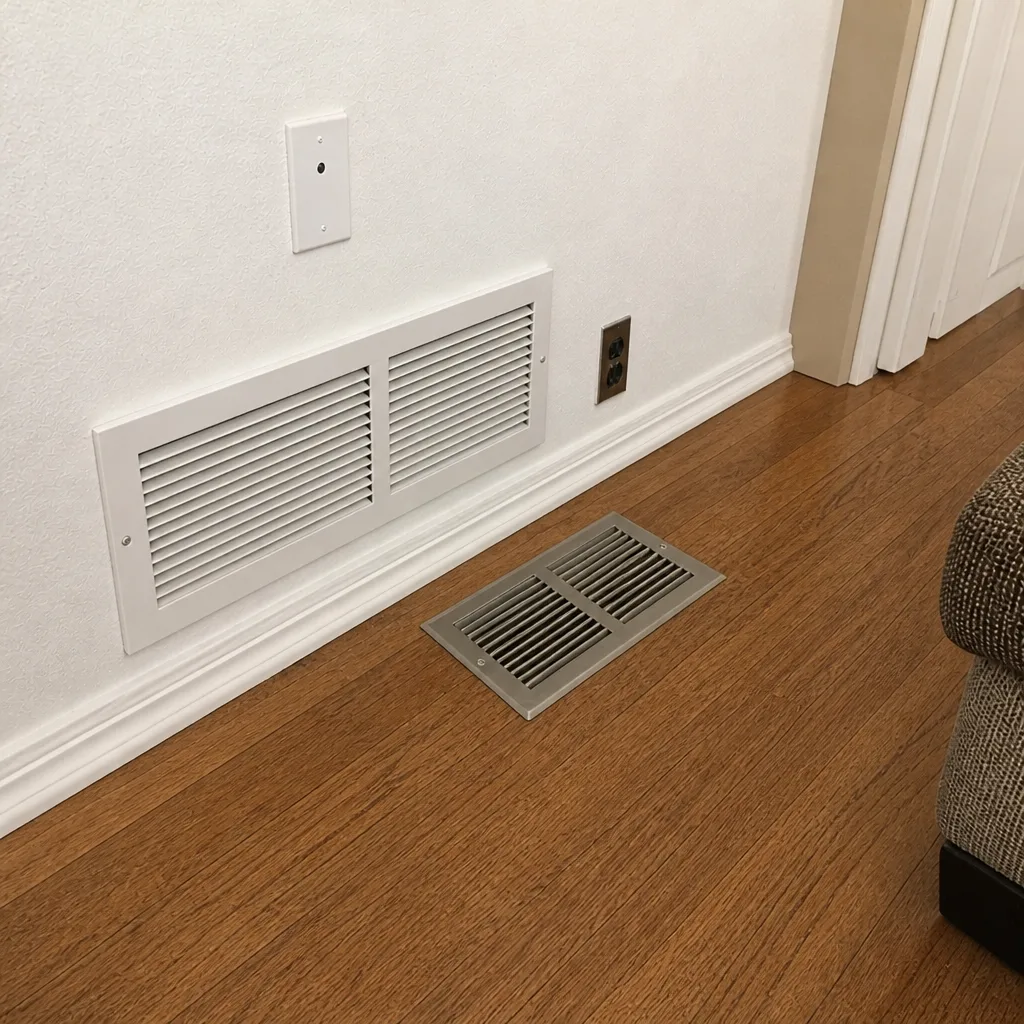 After
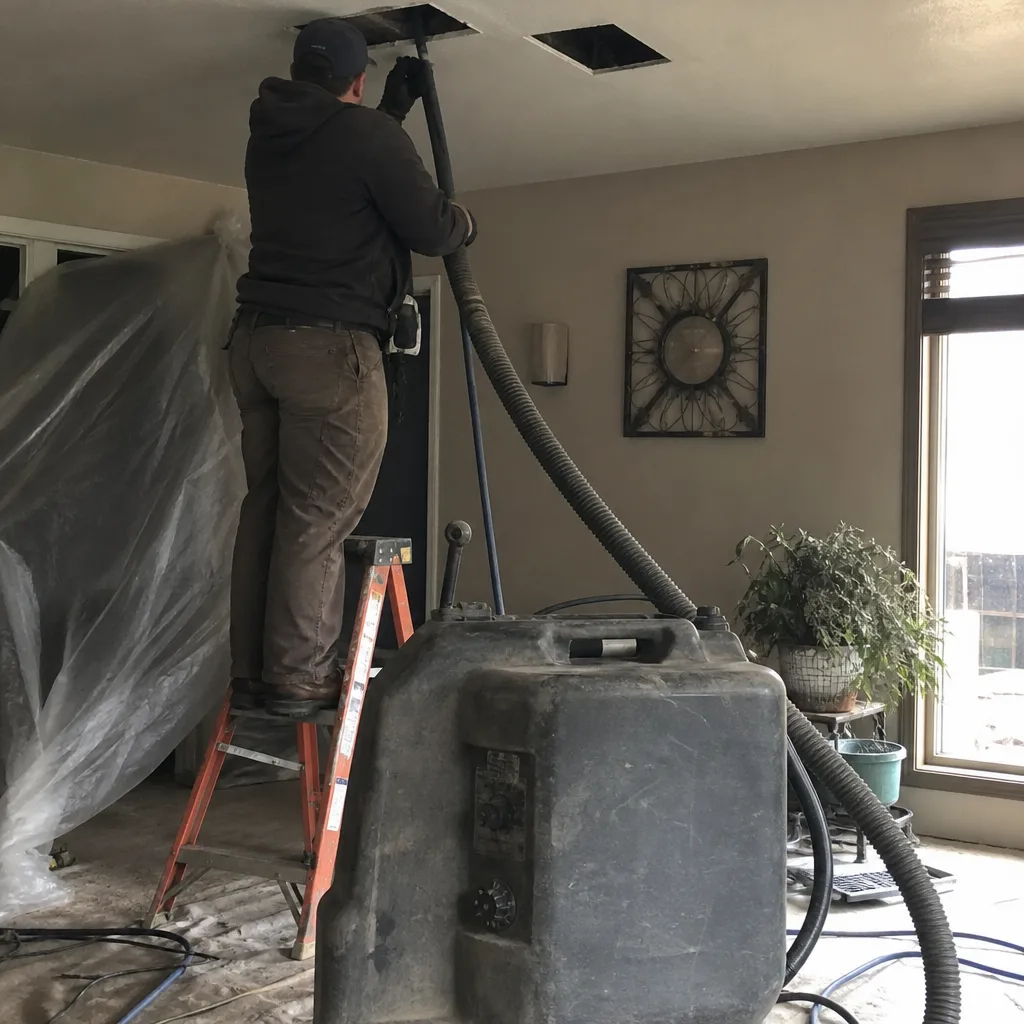 Before
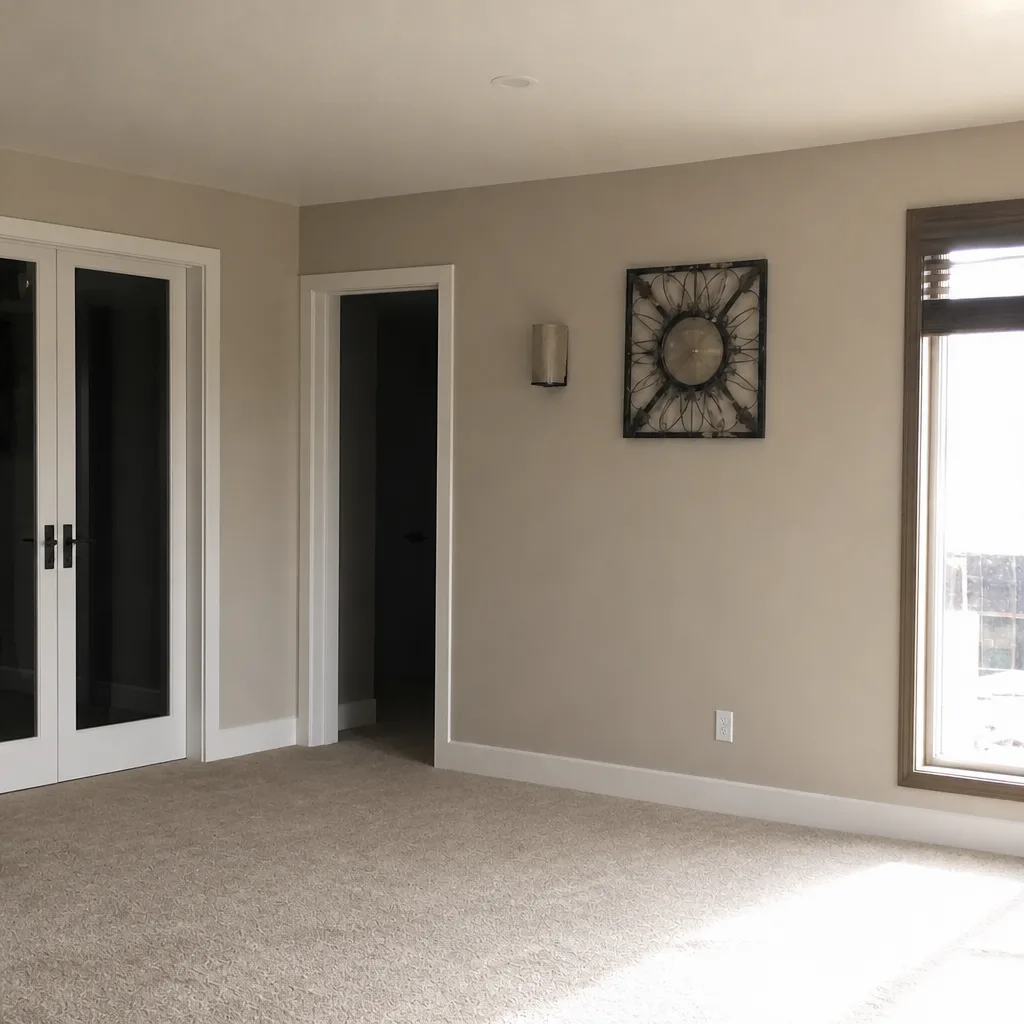 After
When to Call a Professional
Some situations clearly warrant a professional visit from a trained technician, not a weekend plan and a shop vac. Call us when: you haven’t had the ducts cleaned in several years, you’ve just finished a renovation and there’s visible dust in the registers, someone in the home has ongoing respiratory irritation that started around the same time as the smell, the dryer is taking noticeably longer than it used to, you see visible mold around a register or plenum, or you’re buying a home in Highlands Ranch and want a baseline before moving in. Every one of those situations is one we handle with professional equipment, negative-air containment, and a written summary of what we found. Remington Air Duct Cleaning offers free estimates in Highlands Ranch. Call (866) 890-5531. We answer 24/7. Fast dispatch from 7am to 7pm, Sunday through Friday.
Frequently Asked Questions
No. Routine air duct cleaning is a maintenance service and does not require a permit in Highlands Ranch or anywhere in Douglas County. Duct repair that alters or replaces ductwork may require a permit under Colorado’s mechanical code. Ask the contractor to confirm which category the work falls into in writing before it begins. Call (866) 890-5531 for a free estimate and we’ll walk you through it.
Yes, if the repair falls within the scope of Colorado’s adopted mechanical code, which covers duct replacement, rerouting, and new connections. Cleaning technicians can perform cleaning and inspection, but structural repair of the duct system itself is generally done by a licensed mechanical contractor. The permit for that work is typically pulled by the contractor performing it.
Localized surface growth in an otherwise dry system is usually handled as part of standard cleaning. Growth that returns after cleaning, or that’s linked to a moisture source in the plenum or surrounding structure, moves into remediation territory under Colorado Department of Public Health and Environment guidance. The moisture source has to be fixed, not just the visible mold.
They can, if the work changes an exterior component like the vent termination, hood style, or roof penetration. Many Highlands Ranch associations require written approval for exterior modifications, so check the architectural guidelines before a contractor installs a new vent hood. Routine cleaning with no exterior changes usually doesn’t trigger an HOA review.
We quote each job individually based on the size and condition of the system, so there’s no universal per-vent price to quote here. What we do commit to is one flat price per system, agreed in writing before work starts, with before-and-after photos of your own ducts at the end. That’s the protection against the bait-and-switch pricing complaints the industry is known for. Call (866) 890-5531 for a free estimate – estimates are free.
Not after routine cleaning, because no permit is involved. Douglas County inspections apply to permit-required mechanical work, such as duct repair or replacement, and are performed by the county inspector before the work is closed up. For cleaning, the inspection that matters is the contractor’s own post-work walkthrough – photos, register check, and a written summary.
Cleaning and inspection are typically handled by the cleaning company, while permit-required repair is handled by a licensed mechanical contractor. We do both cleaning and air duct repair so you’re not coordinating multiple calls for the same job, and we’ll tell you clearly when a specific repair needs a licensed mechanical contractor or HOA approval. That’s part of our air duct cleaning service across Highlands Ranch.
The Bottom Line
Most air duct cleaning in Highlands Ranch doesn’t need a permit, but duct repair often does, and the gap between those two categories is where homeowners get surprised. Insist on a written scope that says which category your work falls into. Ask about HOA approval before any exterior vent change. Treat mold as a moisture problem first, cleaning problem second. Ask for before-and-after photos of your own ducts, not a brochure, and if the contractor uses professional equipment like Rotobrush and Nikro with negative-air containment from Abatement Technologies, you’re dealing with someone who performs the work to commercial standards. The team at Remington Air Duct Cleaning is glad to walk through any of this with you. Call (866) 890-5531 for a free estimate. We answer 24/7. Fast dispatch from 7am to 7pm, Sunday through Friday.
Written by the team at Remington Air Duct Cleaning.