
Last updated November 16, 2026
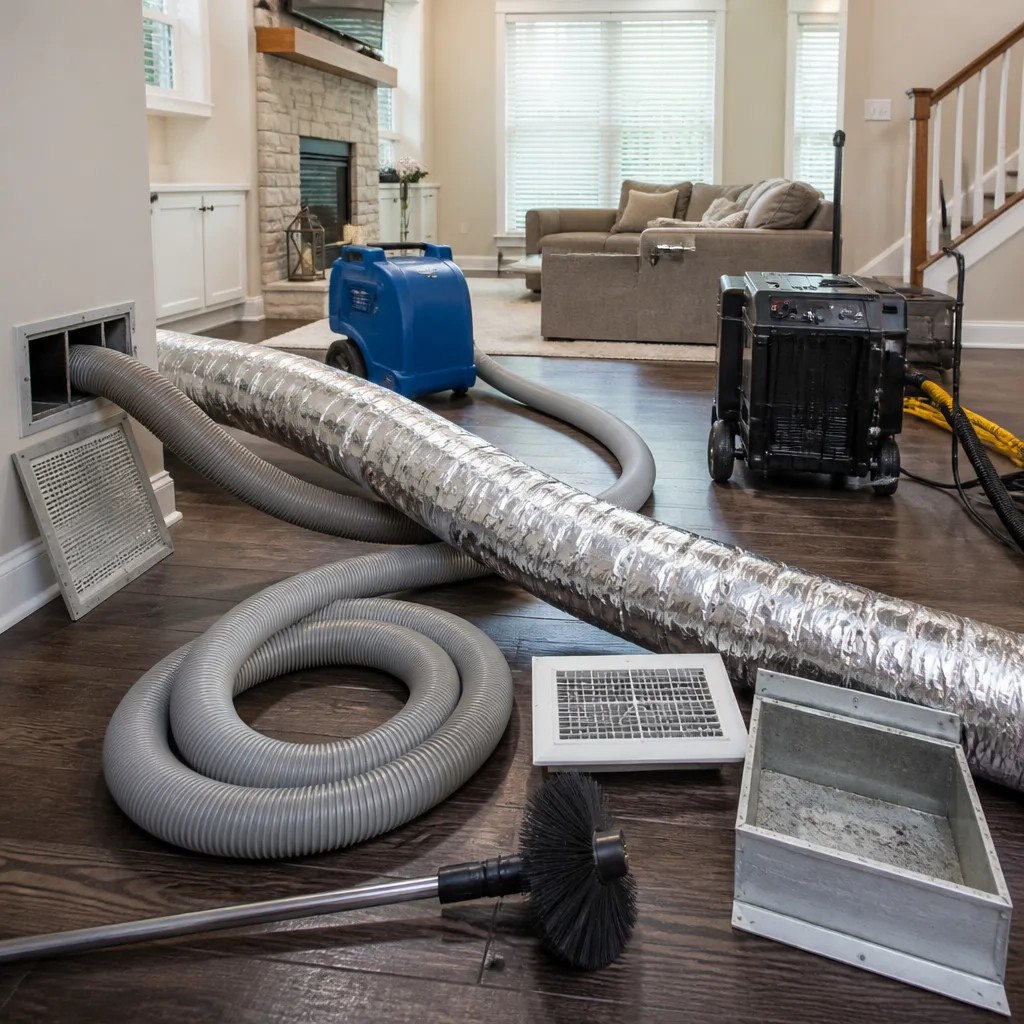 Whole-home duct cleaning
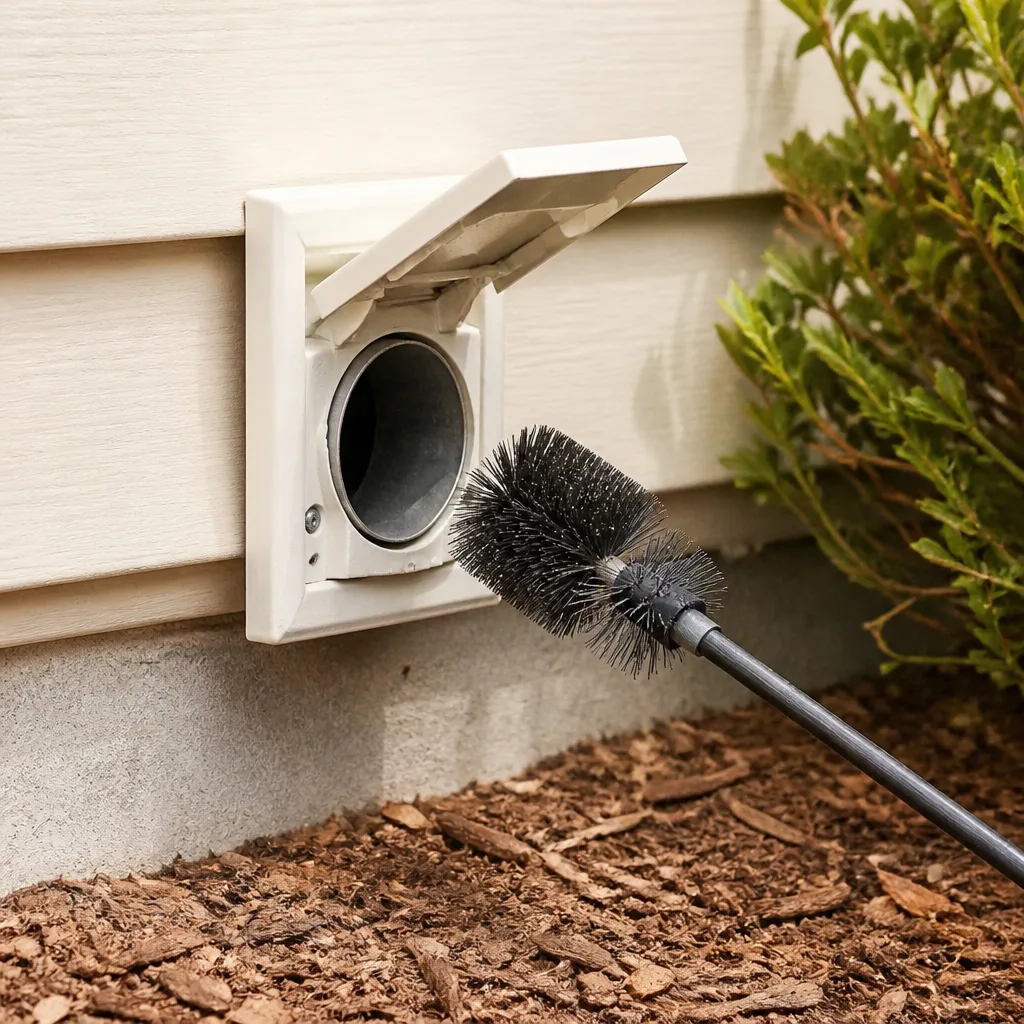 Dryer vent cleaning
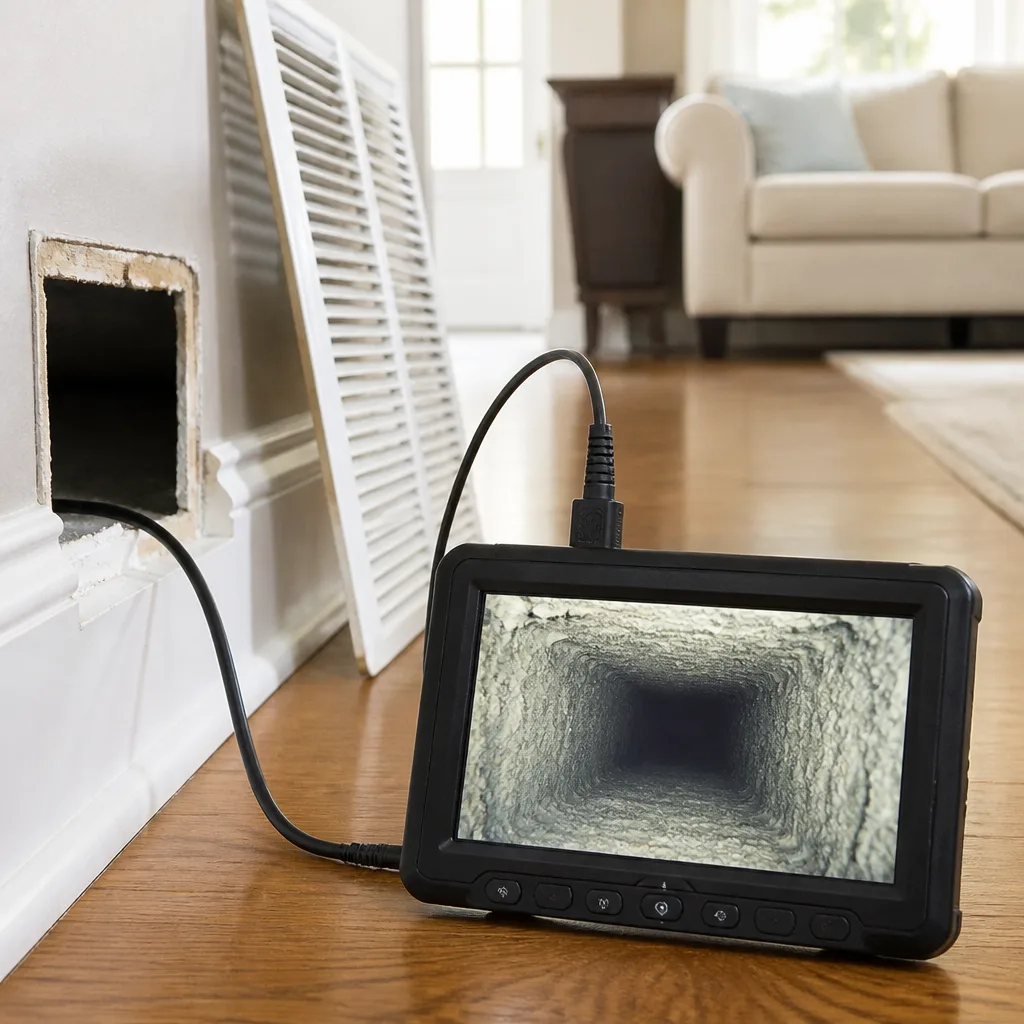 Camera inspection
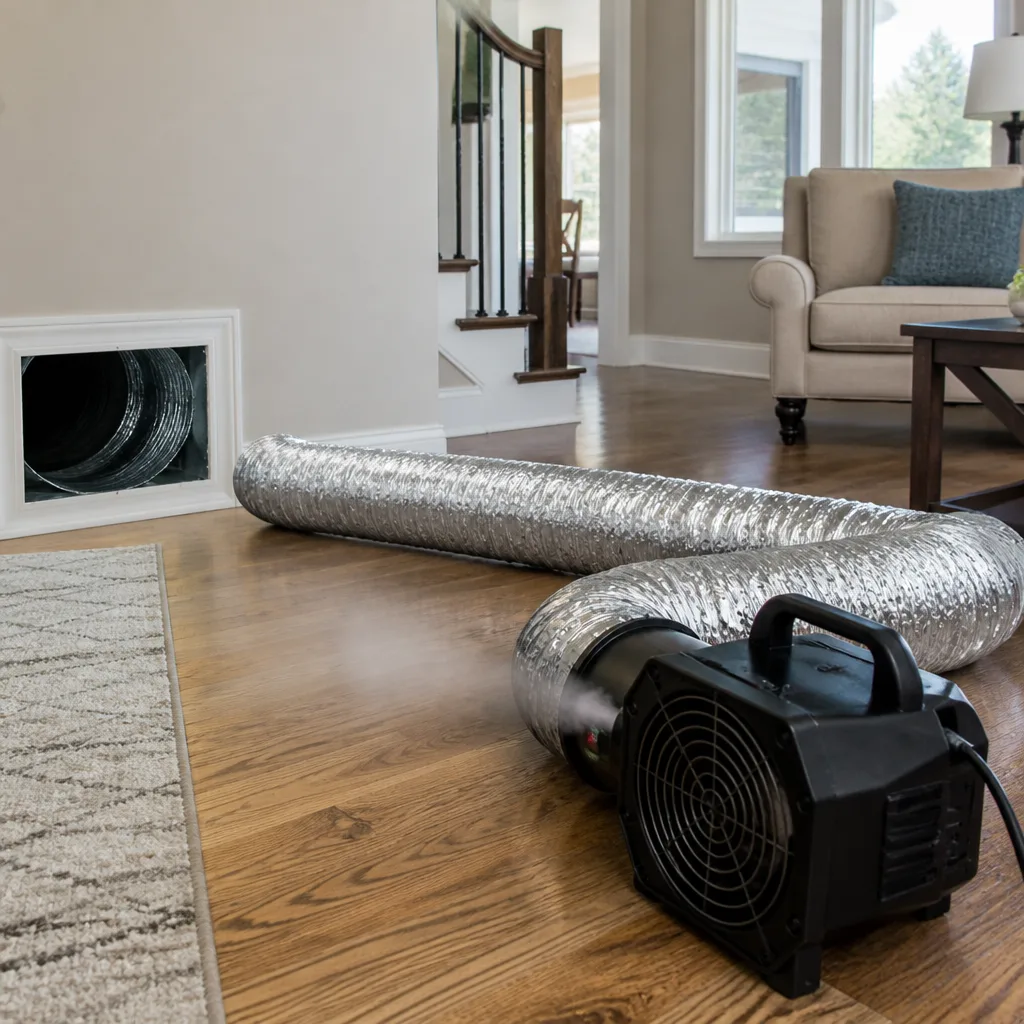 Sanitizing & deodorizing
Whole-system duct and dryer vent check with before-and-after photos - you see exactly what came out of your vents
That "$99 whole-house special" is a bait ad - the real number appears once they are in your hallway, or the "clean" is a shop-vac at the register. We photograph the inside of your ducts before and after instead.
Air Duct Cleaning Maintenance Schedule: What to Do and When
The standard advice to clean your ducts every 3 to 5 years was written for homes that ran their HVAC a few months a year. That’s not Highlands Ranch. Here, the furnace runs long into spring, the AC covers the summer, and the system pulls air through the house while wildfire smoke drifts down the Front Range and dust blows across the open land south of the metro. A single number can’t account for those conditions, and it can’t account for the dog, the finished basement, or the remodel that left drywall dust in every branch line. In this guide, we’ll build a schedule around your home’s variables instead of an industry average. You’ll learn what shortens or lengthens the right interval, what to check between visits, and how to log it all so the next technician can compare, not just clean.
Quick Answer
Most Highlands Ranch homes need professional duct cleaning every 2 to 4 years, not a flat 3 to 5. Households with shedding pets, recent renovations, allergy sufferers, or lower-grade filters should lean toward the 2-year end, while newer construction with sealed ducts, quality filtration, and no pets can stretch toward 4. The right interval depends on your specific conditions, and a technician should be able to show you before-and-after photos of your own ducts to justify the timing.
Styles & brands we work with
- Whole-home duct cleaning
- Dryer vent cleaning
- Camera inspection
- Sanitizing & deodorizing
Table of Contents
- Why the Standard 3-to-5-Year Rule Falls Short
- Building Your Schedule: A Decision Tree
- What to Do Between Professional Cleanings
- Seasonal Timing: The Two High-Priority Windows
- How to Log Duct Condition Over Time
- What Extends or Accelerates the Interval
- Don’t Forget the Dryer Vent
- Common Mistakes to Avoid
Why the Standard 3-to-5-Year Rule Falls Short
That rule traces back to a time when homes opened their windows in shoulder seasons and ran HVAC equipment seasonally. Homes built in Highlands Ranch today run their systems almost year-round. The furnace cycles from October into April, the AC picks up in May, and the fan moves air through the same ducts the rest of the year. More run hours mean more air moving across the same surfaces, which means debris collects faster than the old rule assumes.
The climate adds another layer. Highlands Ranch sits at the edge of the plains, where spring wind carries fine dust and summer wildfire smoke can travel hundreds of miles. Neither of those contaminants disappears because your filter is a month old; some of it settles inside the return side and branch lines where you can’t see it.
Then there’s the housing itself. Many homes here are newer, with tighter envelopes and sealed ductwork, which is good news for efficiency but means less natural air exchange. When a system is closed up, whatever enters the ducts stays there longer. Tighter homes are more comfortable and cheaper to heat, but they also raise the stakes on filtration and periodic cleaning.
The honest takeaway: the 3-to-5 rule isn’t wrong, it’s just a middle-of-the-road guess. Your goal is to replace the guess with a schedule built on your home’s actual conditions. That’s what the rest of this guide does.
Building Your Schedule: A Decision Tree
Use this framework to land on a starting interval. Answer each question honestly, then adjust from there. None of these override a professional inspection, but they’ll tell you whether you’re closer to the 2-year end or the 4-year end.
- Do you have pets that shed? One dog or cat moves fur and dander into the return system continuously. Two or more, or a long-haired breed, pushes you toward a 2-year interval and makes the 3-to-5 default too optimistic.
- Has the home been remodeled in the last two years? Drywall dust, sawdust, and construction grit are fine enough to ride past a standard filter and settle in duct walls. A post-renovation cleaning should be scheduled regardless of your normal interval, then the clock restarts.
- What MERV rating are you running? A basic fiberglass filter catches very little. A higher-MERV filter captures more of the fine particles that would otherwise enter the ducts, which can extend your interval. We’re trained to work with and around premium filtration brands like Honeywell and Aprilaire, and we’re glad to talk through what a given filter actually catches.
- Does anyone in the home have allergies or asthma? Contamination that a healthy household might tolerate becomes a daily irritant for a sensitive resident. Lean toward the shorter end and pay attention to whether a cleaning improves symptoms.
- Is there a humidifier on the system? Whole-home humidifiers can introduce moisture that lets dust and debris stick to duct walls instead of moving through. That accumulation often shortens the interval.
- Is the kitchen range vented to the outside? An unvented or recirculating range hood sends cooking grease and smoke into the home’s air and eventually into the return side. That accelerates contamination and argues for a shorter cycle.
Score your answers: mostly left-column conditions (pets, remodels, low-grade filters, allergy history, humidifier, unvented range) and you’re in the 2-year zone. Mostly the opposite, and 4 years is reasonable. In between, 3 years is a fine starting point, with a visual inspection each year to confirm it.
What to Do Between Professional Cleanings
Cleaning is the reset; what you do between visits determines how fast the clock runs down again. Here’s how to stay ahead of it.
Filter changes
Change your filter on the schedule the manufacturer recommends, and check it more often during heavy-use months or after a major outdoor dust event. A clogged filter stops doing its job and starts straining the blower. If you’re unsure what interval fits your filter and your run hours, call and we’ll help you think it through.
Return vent checks
Walk through and look at each return grille. Dust buildup on the grille face is a sign the return side is loading up. A grille you can vacuum clean yourself is fine; a grille with visible debris behind it calls for a closer look.
What you can inspect vs. what needs a camera
- You can check: filter condition, grille surfaces, visible dust around supply registers, musty smells when the system kicks on, and whether airflow from each room’s vent feels weaker than it did a season ago.
- You can’t check: the inside of branch lines, the main trunk behind finished walls, or whether connections have separated. Those require camera access, and that’s exactly what a professional inspection provides.
One useful habit: when your HVAC system first kicks on after a long off period, pay attention to the smell. A subtle dusty odor that fades in a minute is normal. A persistent musty smell is a prompt to schedule an inspection.
Seasonal Timing: The Two High-Priority Windows
In Highlands Ranch, two moments in the year are natural cleaning windows, and both come from local conditions rather than the calendar alone.
Post-wildfire-season
Late summer and early fall are when smoke from regional fires most often drifts over the Front Range. Your filter catches a lot of it, but fine particulates still settle on duct surfaces. Scheduling a cleaning in early fall, once the worst of the smoke season has passed, means you’re not carrying that load into the heating months when the system runs hardest.
Post-construction or post-renovation
Any time a contractor cuts drywall, sand floors, or opens walls, construction dust enters the system. That cleaning window should happen as soon as the work is done and the dust has settled, not months later. If you’re finishing a basement in Highlands Ranch or remodeling a kitchen, plan the duct cleaning as part of the project’s closeout, alongside the final walkthrough.
A third, softer window applies to most households: late spring, right before the AC ramps up for the cooling season. It’s not driven by local climate events so much as system timing, but it’s a reasonable time to reset the ducts and confirm the filter is fresh before a long cooling run.
When not to prioritize
Mid-winter isn’t ideal for a routine cleaning if you can avoid it, because opening up the system during heavy heating use means a brief interruption. It’s not a problem to schedule then, but if you have flexibility, aim for the shoulder seasons around the two main windows above.
How to Log Duct Condition Over Time
Here’s the part most homeowners skip, and it’s the part that lets each technician build on the last visit instead of starting cold. A simple log does the work.
- Note the date and reason for each cleaning. “Post-renovation” and “annual check” produce very different expectations for the next visit.
- Save the before-and-after photos. A professional service should provide them. If you have photos from two cleanings, you can compare them side by side: heavy buildup in the same branch line twice in a row points to a problem a cleaning doesn’t fix.
- Record the filter change dates and the MERV rating used. If you switch filters, note the change and the date; it affects how fast the system loads up.
- Note any HVAC work done. New air handler, sealed connections, added returns: all of them change airflow and contamination patterns.
- Write down anything the technician flagged. Loose connections, damaged flex line, a compromised branch that needs repair; note it and follow up.
In our experience, this log is often what turns a “just clean the ducts” call into a real diagnosis. A home that gets cleaned every 3 years but shows heavy re-accumulation in one zone usually has a duct problem, not a scheduling problem. Remington Air Duct Cleaning offers Air Duct Repair for exactly that reason: if the ductwork itself is compromised, cleaning it again and again won’t solve it. Fix the leak or the disconnected line and the contamination stops coming back.
The log also protects you as a customer. When a technician can see what the last cleaning found, they can decide whether the schedule is right, too short, or too long, and they can tell you why.
What Extends or Accelerates the Interval
Two forces are always at work: the things that slow the accumulation and the things that speed it. Knowing which category your home falls into is the fastest way to set the right interval.
What extends the interval
- Quality filtration. A filter rated to capture fine particles keeps more of them out of the ducts in the first place. Working with a premium filter system, such as a Honeywell or Aprilaire setup, makes this easier and more consistent than hoping a bargain filter does more than it can.
- Sealed duct connections. Every gap is an entry point for attic or crawlspace air and the dust it carries. Sealing the connections reduces both contamination and energy waste at the same time.
- Mild climate exposure. Homes less exposed to wildfire smoke and windblown dust in a given year genuinely do run cleaner. It’s not a reason to skip cleaning entirely, but it’s a real variable.
- No pets and no recent remodeling. Both mean less material entering the system.
What accelerates contamination
- Whole-home humidifiers. Extra moisture can cause dust to cling rather than travel through.
- Unvented or recirculating kitchen ranges. Cooking grease and smoke that don’t exit the home land somewhere, often in the return side.
- Frequent pet shedding. Fur and dander add to the load every day.
- Ongoing construction nearby or a recent remodel. Drywall dust and sawdust can enter the system through any opening.
- Older, unsealed duct runs. Gaps let outside dust in continuously.
The point is that your schedule should shift with these variables, not stay fixed. If you added a dog or finished a basement this year, it’s reasonable to shorten the interval; if you upgraded your filtration and sealed a few connections, it’s reasonable to lengthen it.
Don’t Forget the Dryer Vent
Your duct maintenance schedule should include the dryer vent, and most homeowners leave it out entirely. The dryer vent is a separate system from your HVAC ducts, but its maintenance schedule deserves the same attention. Lint accumulates in the vent line with every load, and a clogged line is a well-documented leading cause of residential fires. For that reason alone, it needs its own entry on the calendar.
A reasonable interval for professional dryer vent cleaning depends on household size and load volume. A busy household running several loads a week should have the vent checked more often than a household running one or two. Between professional visits, clean the lint trap before every load and check the outside vent flap to make sure it opens and closes freely. If you notice clothes taking longer than usual to dry or feel more heat than expected around the dryer, that’s a prompt to have the vent inspected.
It’s a small addition to a maintenance schedule with an outsized safety payoff. On every dryer vent job, we also confirm the vent run is clear and the flap functions, because a clean line that’s connected to a broken vent won’t help.
Common Mistakes to Avoid
- Following the 3-to-5 rule as if it were a warranty. It’s a middle-of-the-road guess, and it ignores pets, remodels, and filtration. Use it as a starting point and let your actual conditions adjust it.
- Scheduling a cleaning as a post-renovation afterthought. If you finished a basement or remodeled a kitchen in Highlands Ranch, the duct cleaning is part of the closeout. Waiting months lets the construction dust settle deeper and spread.
- Skipping the log. If nobody records the dates, filters, and photos, every visit is a fresh guess. A simple log lets a technician diagnose rather than clean on autopilot.
- Trusting a cleaning with no before-and-after photos. Photos are the basic evidence that the work was done. Ask for them before the technician closes up, and save them.
- Ignoring airflow drops. If one room’s supply vent feels weaker than it did a season ago, that’s worth an inspection. Sometimes it’s a damper, sometimes it’s a blocked branch, and occasionally it’s a separated connection.
- Assuming a higher-MERV filter means you can stretch the interval indefinitely. Better filtration helps, but it doesn’t eliminate accumulation. A filter that’s overloaded will stop doing its job.
- Ignoring the dryer vent. It’s part of the schedule, not a bonus. Adjust the interval to your load volume and check the outside flap between visits.
See the difference
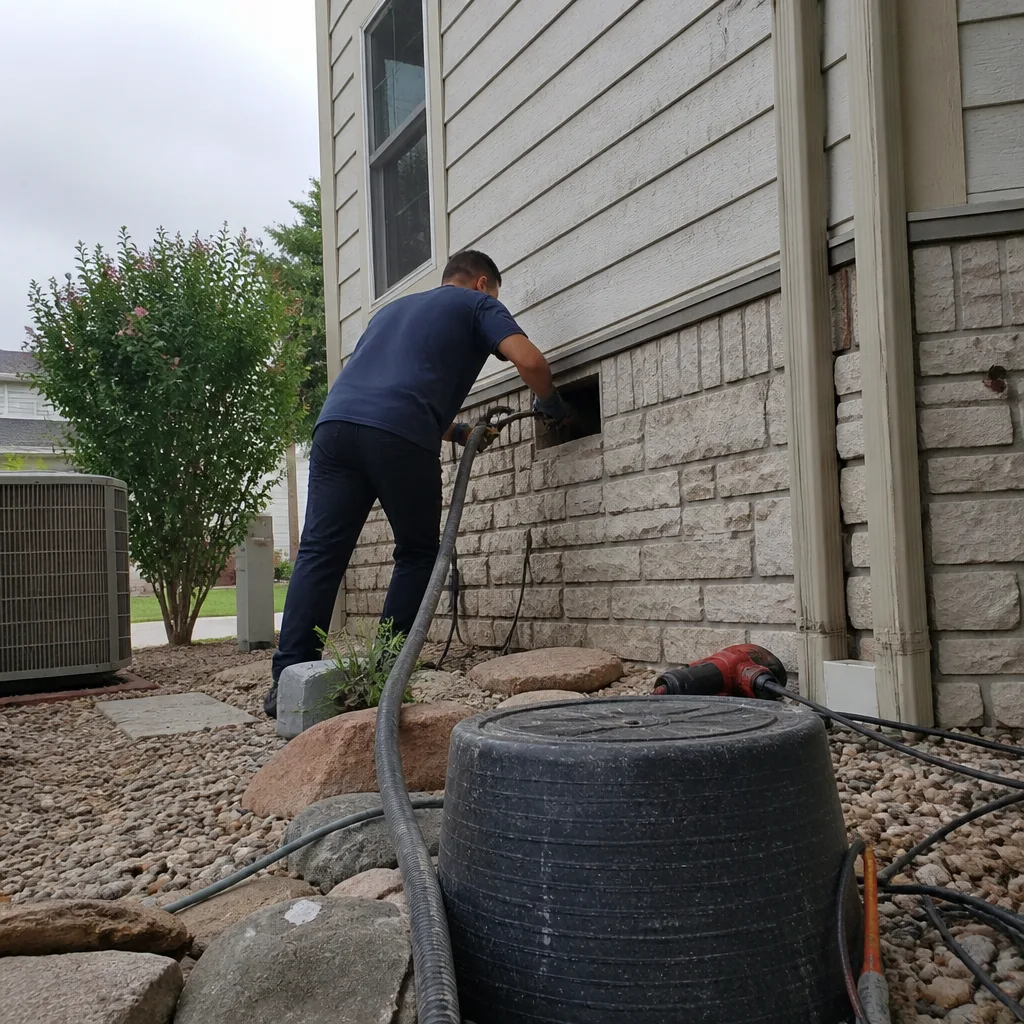 Before
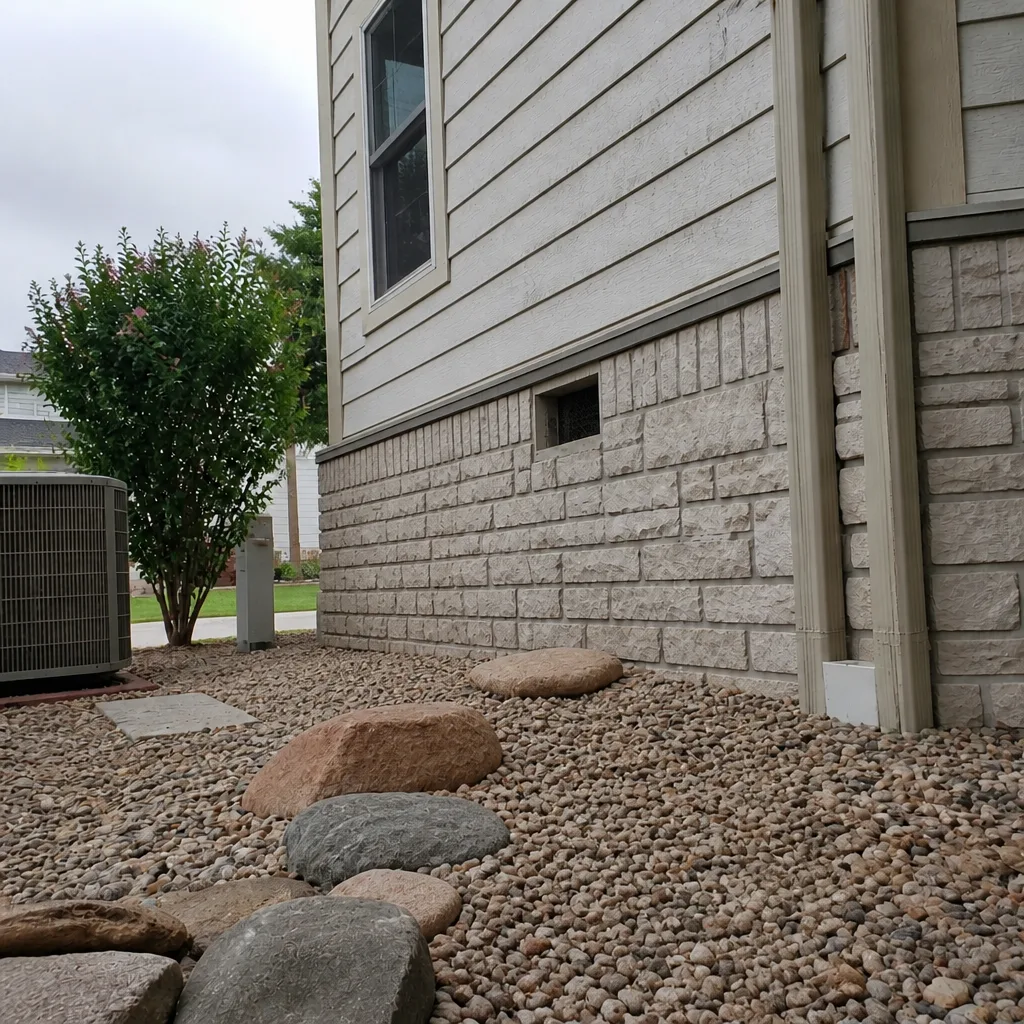 After
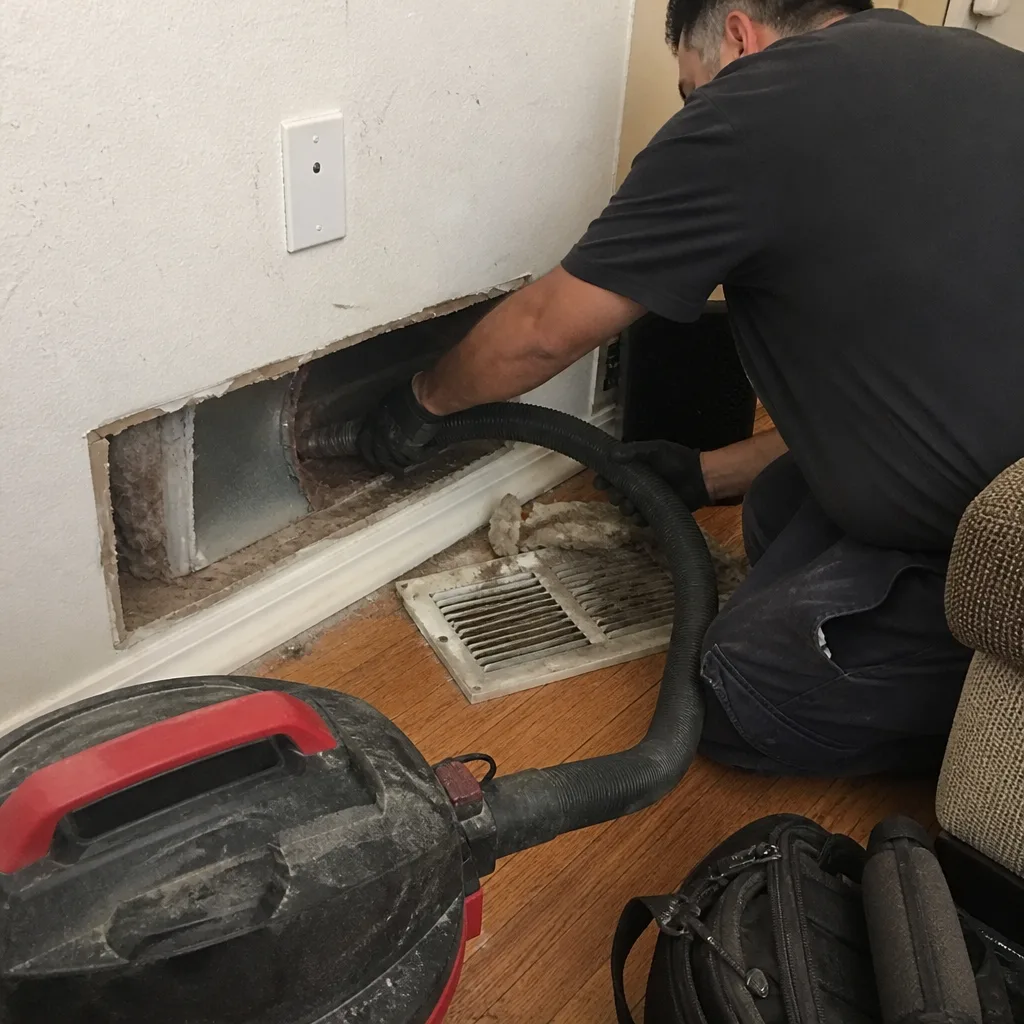 Before
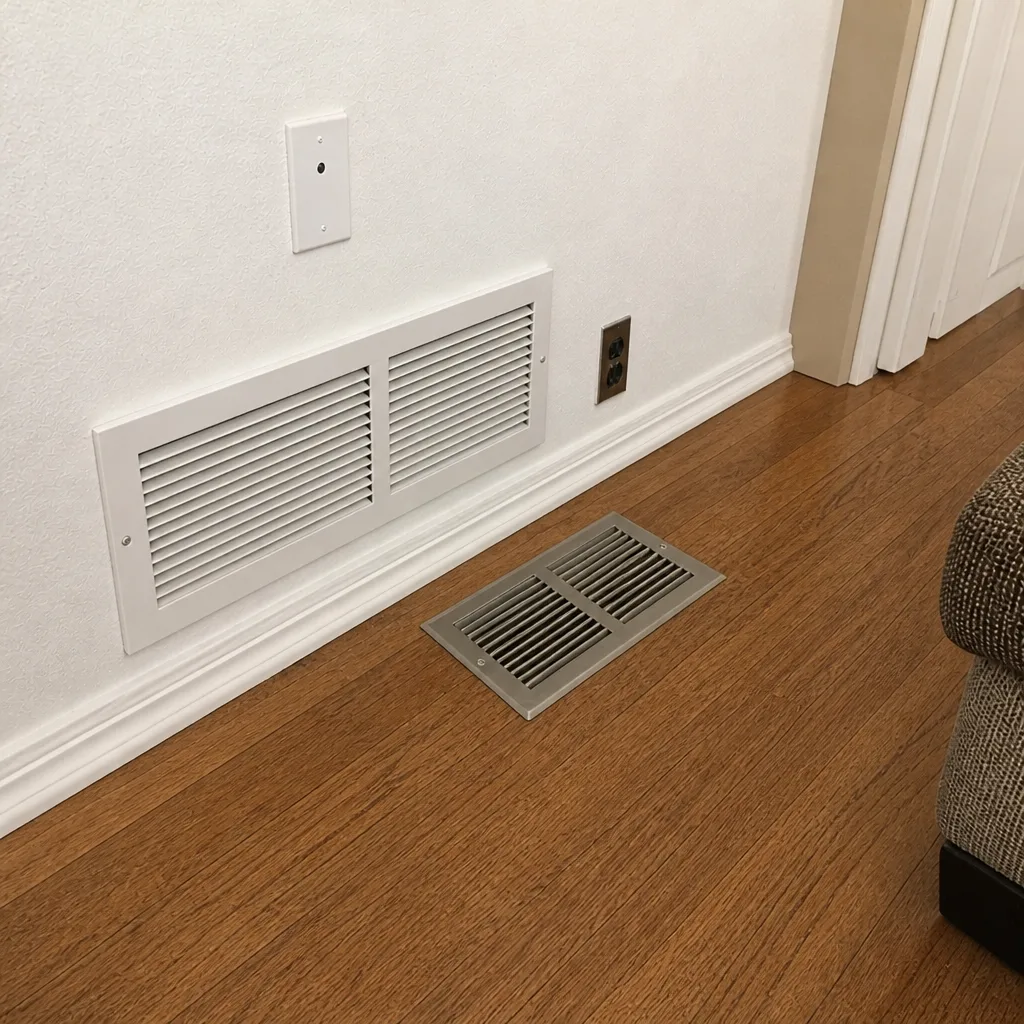 After
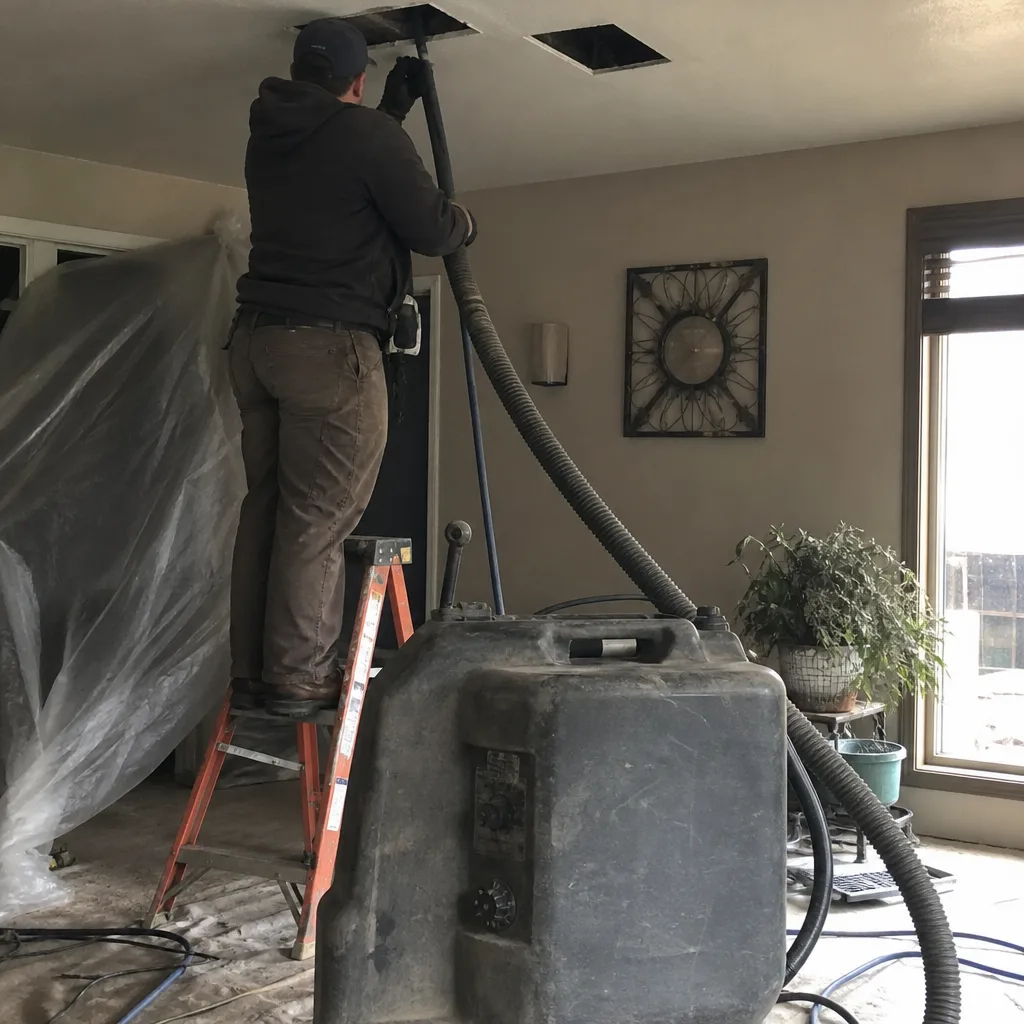 Before
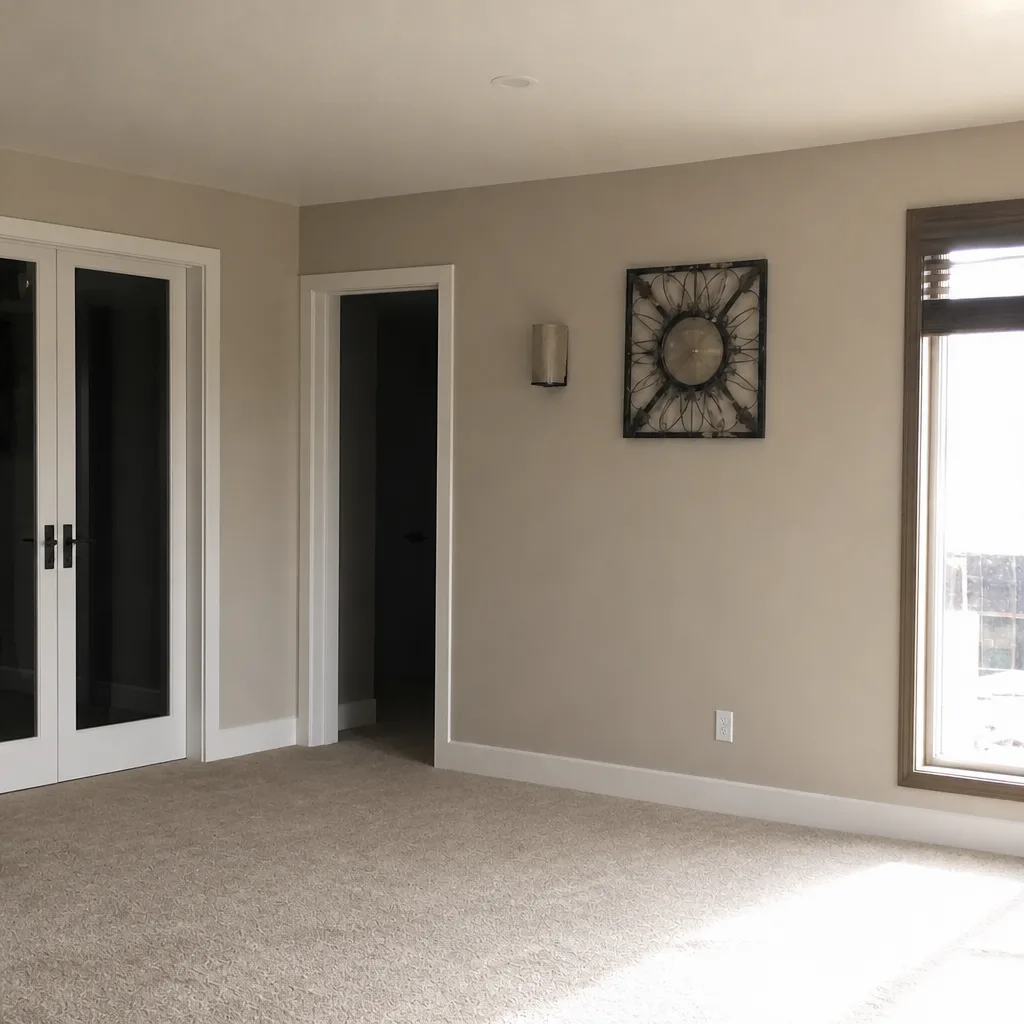 After
When to Call a Professional
Not every question about your ducts needs a tech on site, but some do. Call a professional if a supply vent in a room feels weaker than it used to, if you notice a musty smell that returns every time the system kicks on, if you’ve had a renovation or finished a basement in the last two years, or if it’s simply been more than four years since the last cleaning. Call also if an inspection turned up a compromised connection, since cleaning alone won’t fix separated ductwork; that’s a repair. In homes with pets or allergy sufferers, an annual visual inspection is a reasonable habit, and can be combined with a filter discussion.
Remington Air Duct Cleaning offers free estimates in Highlands Ranch. We bring Rotobrush and Nikro professional equipment, along with Abatement Technologies negative-air containment so dislodged debris is captured rather than recirculated through the home. If you’re in Highlands Ranch, we’re glad to look at your ducts and your schedule. Call (866) 890-5531 for a free estimate. We answer 24/7. Fast dispatch from 7am to 7pm, Sunday through Friday.
Frequently Asked Questions
In Highlands Ranch, most homes are on a 2- to 4-year schedule rather than a flat 3 to 5. Homes with pets, recent renovations, or allergy sufferers should lean toward 2 years, while sealed ducts, quality filtration, and no pets can stretch toward 4. The deciding factors are run hours, filter grade, and what your home is exposed to during the year. Call (866) 890-5531 for an exact quote; estimates are free.
Low quotes usually reflect a fast pass with equipment that moves air but doesn’t capture what it loosens, often without containment to keep debris out of your living space. The result is ductwork that looks cleaner at the grille but still holds debris in the branch lines. A fair price reflects the equipment, the time to do the work properly, and a written scope. Ask about containment and about before-and-after photos before you book. Call (866) 890-5531 for an exact quote; estimates are free.
Ask for before-and-after photos of your own ducts, not generic stock images. Any technician should be able to show them at each stage of the job and leave you with the evidence. Our team provides them as standard; the photos also belong in the log so the next visit can compare. Call (866) 890-5531 for an exact quote; estimates are free.
Yes. Any renovation that cuts drywall or produces construction dust calls for a cleaning as part of the closeout, regardless of where you were in your normal interval. The construction dust travels through the system, and waiting months lets it settle deeper. Once the post-renovation cleaning is done, restart the clock from that date. Call (866) 890-5531 for an exact quote; estimates are free.
Yes, to a point. A quality filter rated to capture fine particles keeps more of them out of the ducts, which means less settles inside. But a filter that’s overloaded or underperforming does little. Upgrading filtration and sealing duct connections are the two most reliable ways to lengthen the schedule. If you’re unsure what filter fits your system, call and we’ll help you weigh the options. Call (866) 890-5531 for an exact quote; estimates are free.
It’s a separate system and needs its own entry on the calendar. Lint accumulates in the dryer vent line with every load, and a clogged line is a well-documented leading cause of residential fires, so it should be checked professionally on a schedule that fits your load volume. For most households that’s more often than they schedule an HVAC cleaning. Call (866) 890-5531 for an exact quote; estimates are free.
The Bottom Line
The right duct cleaning schedule isn’t 3 to 5 years flat. It’s a range of 2 to 4 years adjusted by pets, renovations, filter grade, allergy history, and how much smoke and dust your home is exposed to. Log the date, the reason, and the photos at every cleaning so a technician can compare over time instead of guessing. Prioritize a cleaning after wildfire season and after any renovation. Add the dryer vent to the same schedule. And remember that cleaning doesn’t fix compromised ductwork; a repair does. Professional-grade equipment, every job: that’s what makes the log worth keeping. If you’re ready to put a real schedule in place, air duct cleaning and a free estimate are one call away.
Call (866) 890-5531 for a free estimate. We answer 24/7. Fast dispatch from 7am to 7pm, Sunday through Friday. Our technicians have up to 8 years of experience, and we bring Rotobrush and Nikro equipment with Abatement Technologies negative-air containment on every job. Captured, not recirculated.
Written by the team at Remington Air Duct Cleaning.