
Last updated November 16, 2026
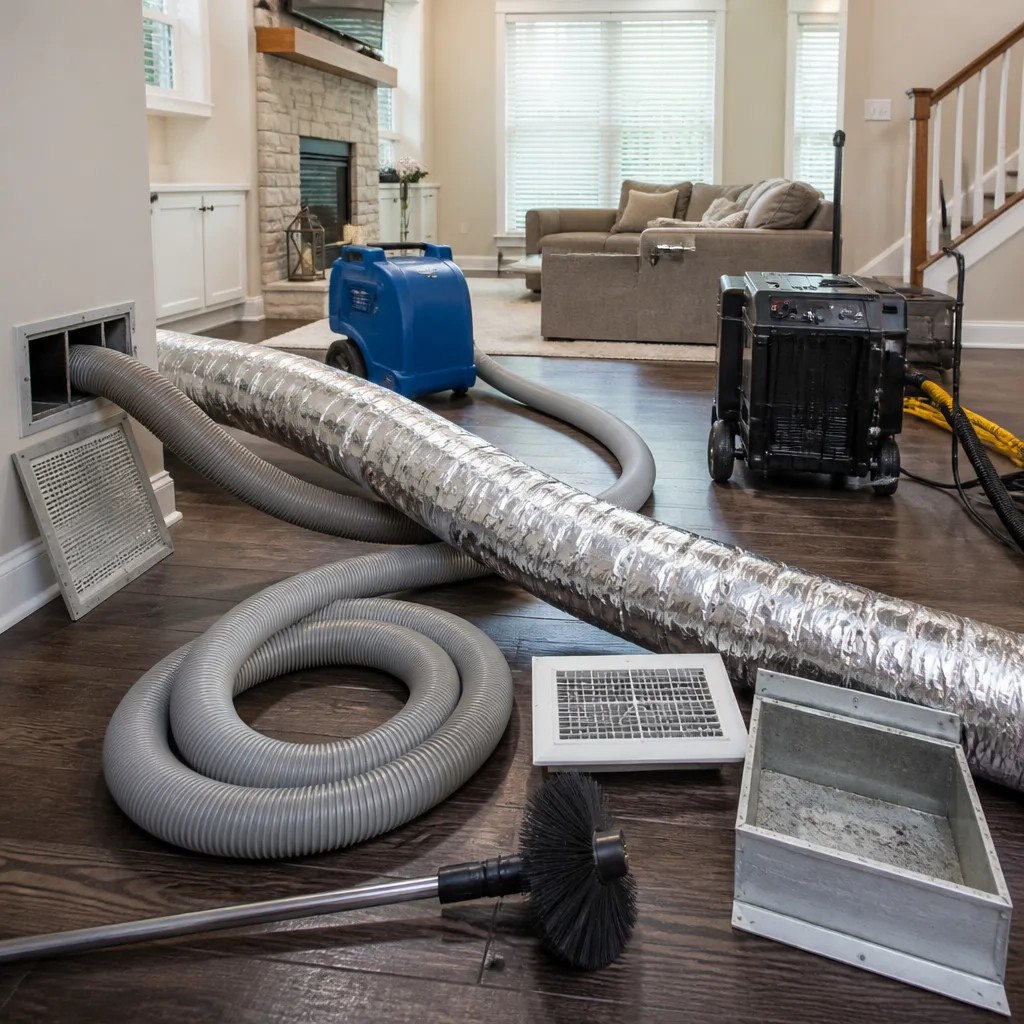 Whole-home duct cleaning
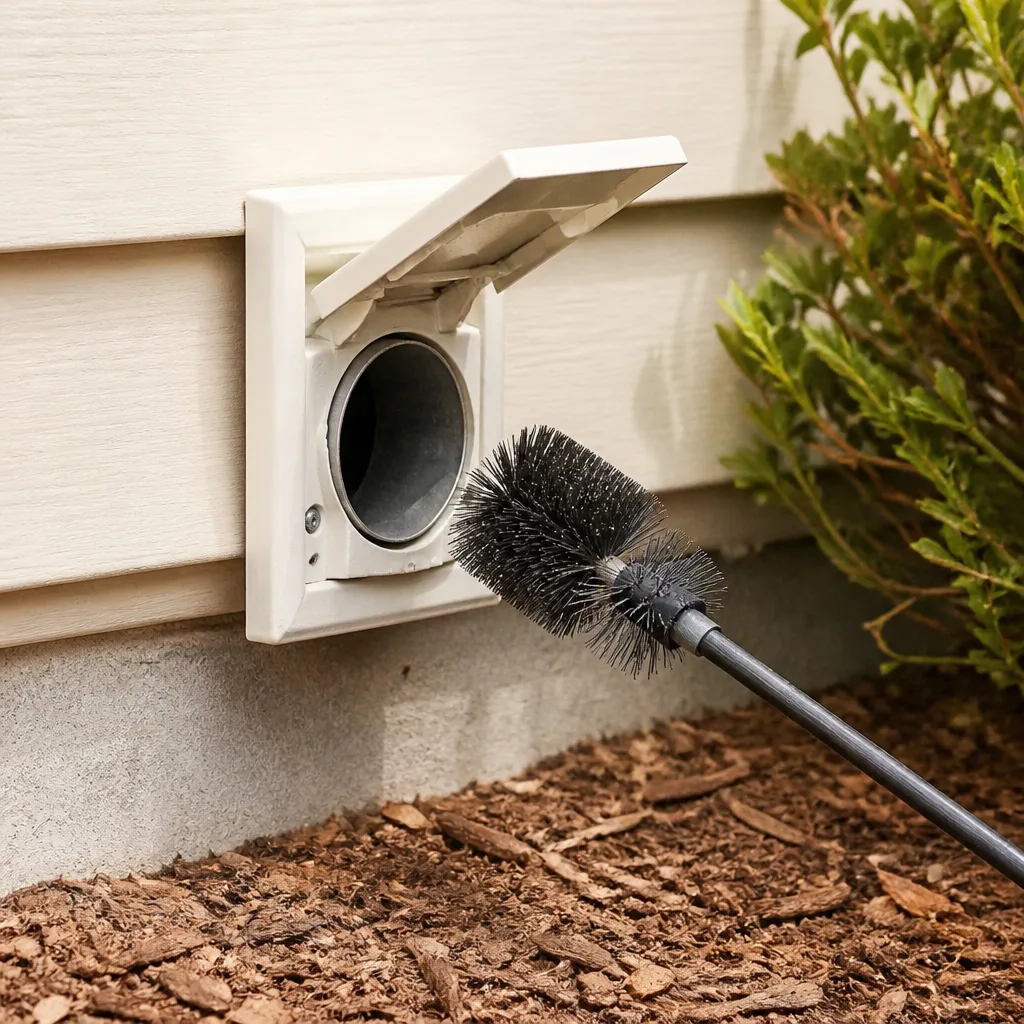 Dryer vent cleaning
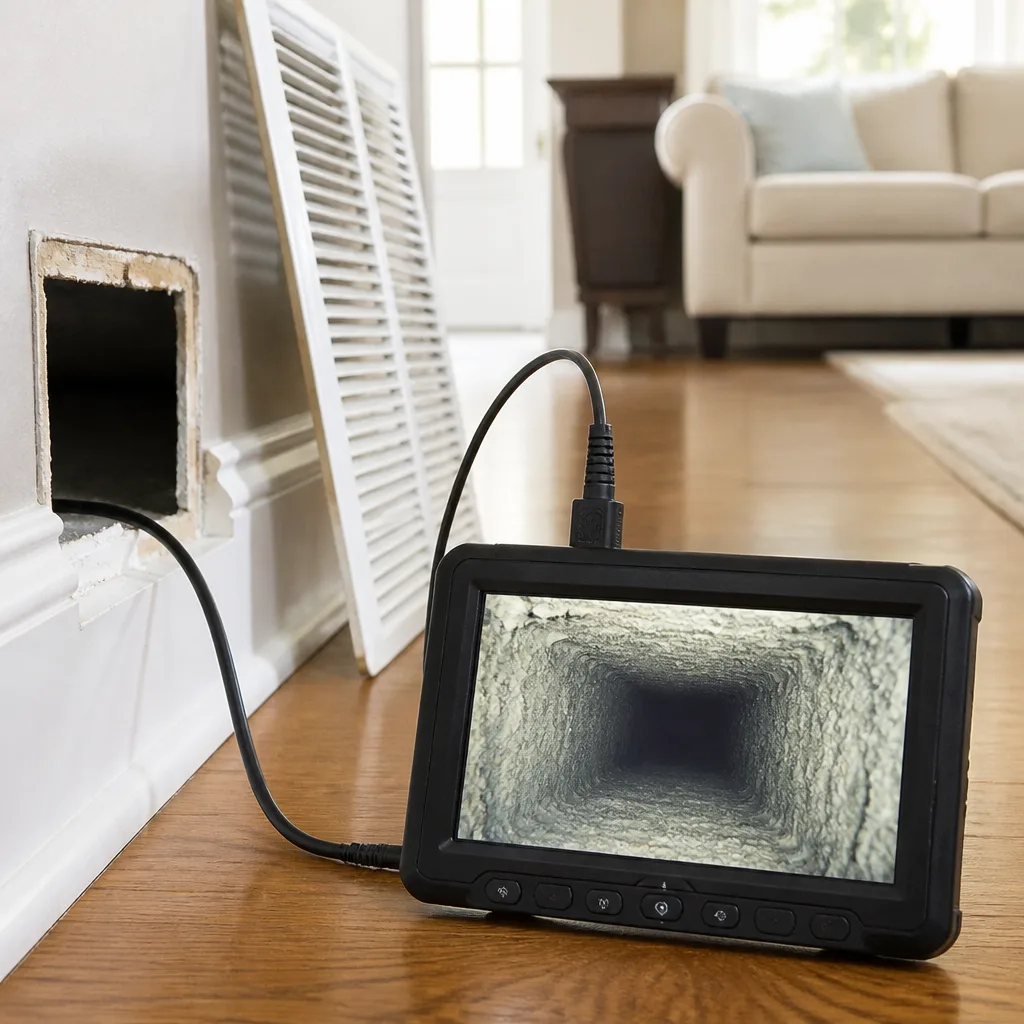 Camera inspection
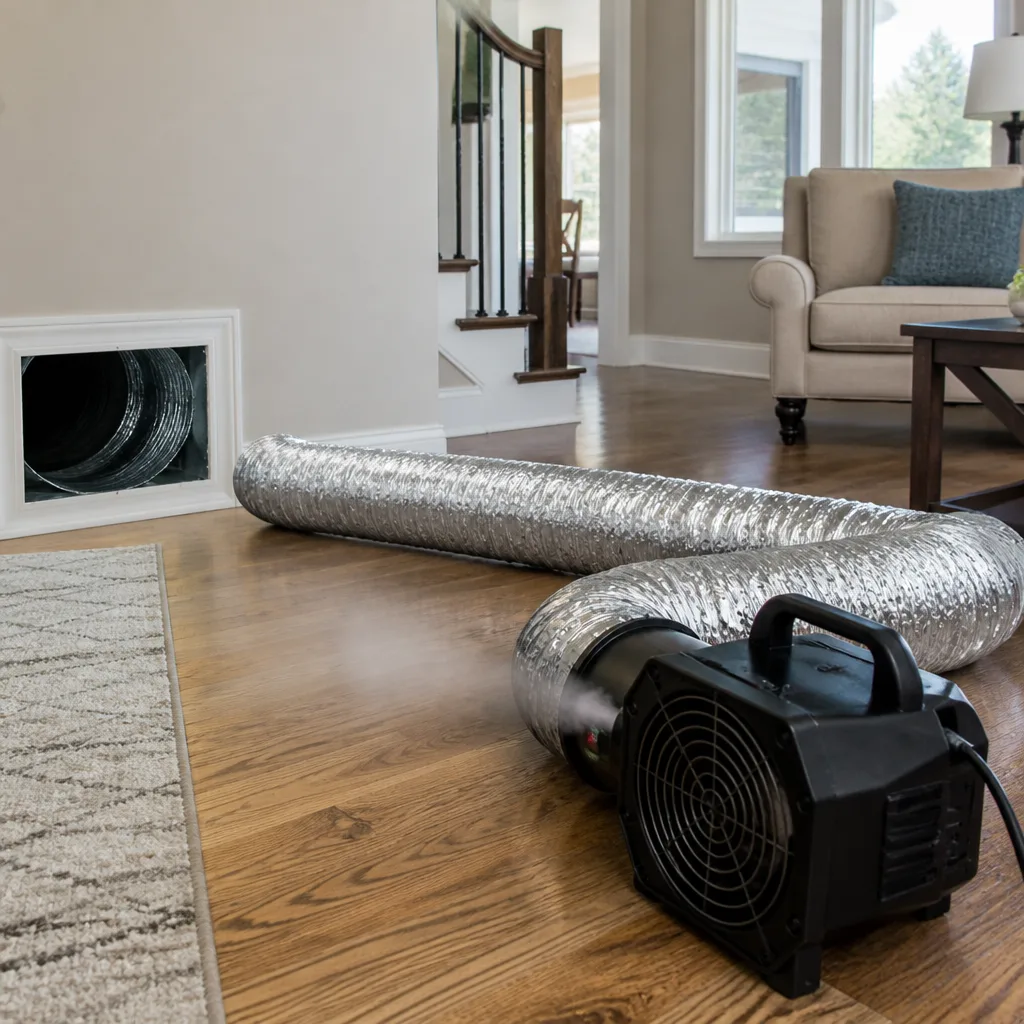 Sanitizing & deodorizing
Whole-system duct and dryer vent check with before-and-after photos - you see exactly what came out of your vents
That "$99 whole-house special" is a bait ad - the real number appears once they are in your hallway, or the "clean" is a shop-vac at the register. We photograph the inside of your ducts before and after instead.
Air Duct Cleaning Cost Breakdown: The Highlands Ranch Homeowner’s Reference for 2026
Most homeowners in Highlands Ranch assume a $150 quote and a $600 quote for duct cleaning must reflect a difference in profit margin. Usually they don’t. The gap is equipment. One company shows up with a shop vac and an extension wand and spends an hour blowing dust loose. Another rolls in a Rotobrush agitation system and a Nikro negative-air unit, seals the system, and captures debris instead of pushing it back into your living room. Those are two very different jobs wearing the same name. In this guide we’ll walk through what actually determines a fair price in Highlands Ranch, how to benchmark a quote so you know whether it’s in range or oddly cheap, which add-ons are worth paying for, and what a written estimate should itemize before you sign anything.
Quick Answer
Air duct cleaning in Highlands Ranch typically runs roughly $300 to $700 for a standard whole-home system, and larger homes with long flex duct runs or multiple zones often land between $700 and $1,200. Whole-system pricing should be quoted as one flat price per system, not per vent, and the written estimate should itemize number of supply and return vents, duct material, and equipment being used. Any quote far below that range usually signals a smaller equipment package or a surface-only cleaning.
Styles & brands we work with
- Whole-home duct cleaning
- Dryer vent cleaning
- Camera inspection
- Sanitizing & deodorizing
Table of Contents
- What actually drives duct cleaning cost in Highlands Ranch
- How to benchmark a quote using the per-vent model
- Why some quotes are five times cheaper than others
- Why 1995-2010 Highlands Ranch homes cost more to clean
- Add-ons worth paying for and add-ons that aren’t
- What a detailed written estimate should itemize
- How often cleaning really needs doing
- How to verify the work was actually done
What actually drives duct cleaning cost in Highlands Ranch?
Four variables set legitimate price for a duct cleaning job, and only one of them is the size of your house. The other three are the ones cheap quotes tend to skip right past.
Linear footage of ductwork. This is the total run length of supply and return duct in your system, not your square footage. A 2,400-square-foot home with a compact trunk and short branch runs may have less ductwork than a 2,100-square-foot home with an extended layout, and that difference shows up in labor time and in how long the negative-air unit has to run.
Number of supply and return vents. Each vent takes time to remove, clean around, and re-seat. A home with 14 supply registers and three returns is a genuinely longer job than one with nine and one. Returns matter just as much – a return plenum can hold years of settled dust and needs its own cleaning regime.
Duct material. Sheet metal ductwork responds well to rotary brush agitation and comes clean predictably. Flex duct is more delicate. Aggressive brushing can tear the inner liner, so it takes a slower, more careful approach with lower pressure. Flex is very common in Highlands Ranch construction from the late 1990s and 2000s, and it’s a big reason those homes often cost a bit more to clean than newer or fully sheet-metal systems.
Access complexity. A basement or mechanical closet with open access is quick. A cramped attic run, a low-clearance crawl, or a finished ceiling with minimal access panels adds time and equipment setup. This is where a fair quote will ask real questions instead of just asking your square footage over the phone.
When a contractor quotes you without walking the system, they are guessing. A written estimate built on an actual walkthrough is the only way to price the job honestly.
How do you benchmark a duct cleaning quote against the per-vent model?
The industry benchmark uses a per-vent calculation: typically $25 to $45 per vent as a mental math check, or a whole-system flat price that lands in the same territory once you add up supply and return vents. Note the difference between a benchmark and a pitch. The per-vent number helps you sanity-check a quote. It should not be how you are actually billed.
Here’s how to run the comparison in about three minutes:
- Count your supply registers and return grilles. Write both numbers down. A typical Highlands Ranch home in a 1995-2010 subdivision has somewhere between 10 and 16 supplies and one to three returns.
- Multiply your total vent count by $25 and again by $45. That’s your benchmark window.
- Compare what you were quoted against that window. A whole-system quote that lands inside it, with the professional equipment named and a clear scope of work, is in range.
- When a quote comes in far below the low end of that window, ask what equipment is being used and how long the crew will be on site. A legitimate flat price will have both answers ready.
- When a quote comes in far above the top end, ask what’s driving it. Long flex runs, attic access, or multiple zones can legitimately push a quote up. A vague “it’s a big house” won’t cut it.
For a typical three-bedroom Highlands Ranch home with 12 supplies and two returns, that math lands you around $350 to $630 as a fair target. If the number you were given is dramatically lower, you’re likely comparing against a smaller equipment package. If it’s dramatically higher, ask them to justify it with specifics.
If you want a benchmark quote you can compare against, our air duct cleaning team will walk the system and write an itemized estimate before any work begins.
Why are some duct cleaning quotes five times cheaper?
The gap between a $150 duct cleaning and a $600 one isn’t usually profit margin – it’s the difference between a shop vac with an extension and a Nikro negative-air system with Rotobrush agitation. That sentence is the whole guide in miniature. Cheaper quotes come from cheaper equipment and a shorter process, and the customer is the one who absorbs the difference.
A proper job has three parts working together:
- Agitation. A rotary brush system like Rotobrush loosens debris from the duct walls and from the plenum surfaces where dust collects and hardens. A wand alone doesn’t do this. You need mechanical action.
- Containment. Negative-air equipment from Abatement Technologies keeps the whole system under suction while agitation is happening so that dislodged debris flows into the capture unit instead of through your house. Without real negative air you are redistributing what you’re supposedly removing.
- Capture and filtration. A HEPA-rated vacuum like the Nikro units we use holds the collected material without exhausting fine particles back into the room.
Every part of that process costs money to run. When a company shows up with a wet/dry vac and a wand, they skip all three, which is why their price can be a fraction of a real clean. They are, quite literally, doing a different job. The dust is still there when they leave. It’s just been made airborne.
This is the pricing lesson worth holding onto: the question “why is that quote so cheap?” has a specific, mechanical answer. It’s the equipment.
Why do 1995-2010 Highlands Ranch tract homes cost more to clean?
Homes built during Highlands Ranch’s main build-out, roughly the 1995-2010 period, share a construction trait that shows up on every cleaning invoice: long flex duct runs feeding branch lines off a central trunk, common to tract-built subdivisions of that era. That configuration is efficient to install. It’s slower to clean.
Here’s why the added time shows up as cost:
- Flex duct requires lower-pressure agitation. The inner liner on flex is thin, and a heavy brush at high speed can peel it. That means slower passes and more attention to technique, which takes longer per foot than sheet metal.
- Longer runs mean more travel for the vacuum. Every foot of duct between the plenum and the far register is another foot the negative-air setup has to reach. Longer runs mean longer cycle times on the whole system.
- Attic transitions and tight chases. Many of these homes route duct through low-clearance attic spaces or tight interior chases, which slows access.
- Decades of use. A home that’s been running the same HVAC for twenty-plus years will have more settled debris, so agitation takes more passes.
Newer Highlands Ranch construction tends to include shorter, tighter duct runs and more hard-ducted material, which cleans faster and cheaper. That’s not a knock on older homes. It’s just a real variable that a fair quote needs to account for. If a quote for an older flex-and-long-run home looks low, ask whether the cleanup includes proper flex-safe agitation. If the answer is vague, the price was probably too good to be true.
Which duct cleaning add-ons are worth paying for?
Some add-ons solve a real problem. Others are sold because they’re easy to bolt onto an invoice. Being clear-eyed about which is which is the single best way to avoid overpaying.
Worth paying for:
- Dryer vent cleaning. This is its own safety category. A clogged dryer vent is a documented leading cause of residential fires, and the buildup doesn’t clear itself. If your dryer takes two cycles to dry a load, the vent is already restricted. This should be priced as a standalone service and done with the same real equipment as duct cleaning.
- Coil cleaning when the system shows buildup. Dirty evaporator coils degrade cooling performance and trap debris right at the source. If your coil is visibly fouled, cleaning it alongside the ducts makes the duct cleaning hold longer.
- Air duct repair when the inspection finds damage. Disconnected joints, torn flex liner sections, or crushed runs will undo the value of cleaning in short order. Fixing them is a real job with real value.
Often sold without justification:
- Antimicrobial spray as a default line item. If your system has no active mold problem and no moisture issue, the spray is a feel-good add-on rather than a solution. Ask what problem it’s solving before you agree.
- Deodorizing treatments. They mask, not fix. Find the source first.
- Sealing treatments on top of cleaning when no leaks were found. If the inspection didn’t identify leaks, there’s nothing for the sealer to solve.
The pattern holds: add-ons with a specific identified problem are worth paying for. Add-ons sold as a default line item usually aren’t. A good written estimate should make the difference obvious.
What should a detailed written estimate itemize?
A vague quote protects the contractor, not you. Here’s what a solid written estimate should spell out before you agree to anything:
- Number of supply vents and return vents being cleaned. Not “the system” – the actual counts, listed separately.
- Duct material breakdown. How much of the system is sheet metal versus flex, and how the crew plans to handle each.
- Equipment being used. Named, not described vaguely. If they’re using Rotobrush agitation or a Nikro HEPA capture unit or an Abatement Technologies negative-air setup, the estimate should say so. “Professional equipment” tells you nothing.
- Negative-air containment included or not. This is the line that separates a real clean from a dust redistribution exercise. It should be explicitly included, not an upsell.
- Inspection findings. Anything identified as compromised – disconnected joints, torn flex, crushed runs, microbial growth – should be noted, along with whether repair is recommended and quoted separately.
- Flat price for the whole system. One number, not a per-vent rate that can creep once the technician is on site.
- Before-and-after photos of your own system. Written into the scope, not offered as a favor.
If any of the seven items is missing, ask for it in writing. A company confident in its equipment and scope will produce all seven without a fuss. That’s also how you sidestep the bait-and-switch pattern that has given this trade its reputation – flat price per system, agreed before any work starts, with proof of what was removed.
How often does duct cleaning really need doing in Highlands Ranch?
The honest answer is that there’s no universal interval. Most homes don’t need duct cleaning on a schedule at all. They need it when something specific has happened to the system.
Here are the events that actually justify the cost:
- After a major renovation. Drywall dust and construction debris settle deep into return plenums and travel through the whole system. Post-renovation cleanup is one of the clearest justifications.
- After moving into a resale home. You don’t know what the previous owners did, and a system that’s sat for years with a compromised filter will show it.
- When visible dust is coming from registers. If you’re seeing a puff when the system kicks on, the system has debris the filter isn’t catching.
- After water intrusion or a known moisture event. Moisture in the duct system is a genuine concern and warrants inspection.
- When someone in the house is having an ongoing respiratory issue that a doctor has flagged. That’s a conversation worth having with a proper inspection.
For a well-maintained Highlands Ranch home with no triggering events, an inspection every few years is enough. If a contractor is pushing an annual plan without explaining why your specific system needs it, ask what problem they identified. The answer should be specific. For the dryer vent, though, the interval is shorter – annual cleaning is the right habit for most households, because the buildup is continuous and the risk is fire, not just efficiency.
How do you know the work was actually done?
You know the work was done when you can see the difference in your own system. That’s the standard we hold ourselves to, and it’s the standard a fair quote should offer up front.
Here’s what to look for at the end of a job:
- Before-and-after photos of your actual duct interiors. Not stock photos. Yours. If the company can’t show you photos during the job, ask why.
- Register-by-register confirmation. The estimate should have listed counts. Confirm every one was removed, cleaned, and re-seated.
- Visible containment during the job. You should see the negative-air equipment running. If the crew is pushing air around without a capture setup, the process wasn’t complete.
- A clear report on the inspection findings. Anything flagged as damaged should have a written follow-up recommendation, whether or not you choose to do the repair.
The proof standard is simple: the invoice you got at the end should match the written scope you agreed to at the start, and the photos should back it up. If those two things line up, you got the work you paid for.
Common Mistakes to Avoid
- Quoting over the phone without a walkthrough. If a company quotes without seeing the number of registers, the duct material, and the access, they’re quoting a guess. That guess is how low quotes become higher invoices once the technician is on site.
- Trusting a per-vent rate as the final price. Per-vent math is a benchmark, not a bill. A flat price per system, agreed before work starts, is the pricing model that protects you.
- Skipping the question about equipment. Ask directly: “What equipment are you using?” If the answer is vague – “professional equipment” or “the best in the business” – you don’t have an answer. Rotobrush, Nikro, and Abatement Technologies are the names that mean a real process.
- Buying antimicrobial spray because it sounds protective. Without a documented problem, it’s a line item, not a solution. Ask what it’s solving.
- Assuming a newer Highlands Ranch home needs less cleaning. A home built in 2010 has fourteen-plus years of settled debris and a system that’s likely never been opened. Age is not the same as maintenance.
- Skipping the dryer vent. Most homeowners think of dryer vent cleaning as a duct-cleaning add-on. It’s a fire-safety service. Treat it like one, and schedule it on its own cadence.
- Paying for cleaning without address to damage. If the inspection found a disconnected joint or a crushed run and the cleaning didn’t address it, the debris will return. Clean, then repair.
See the difference
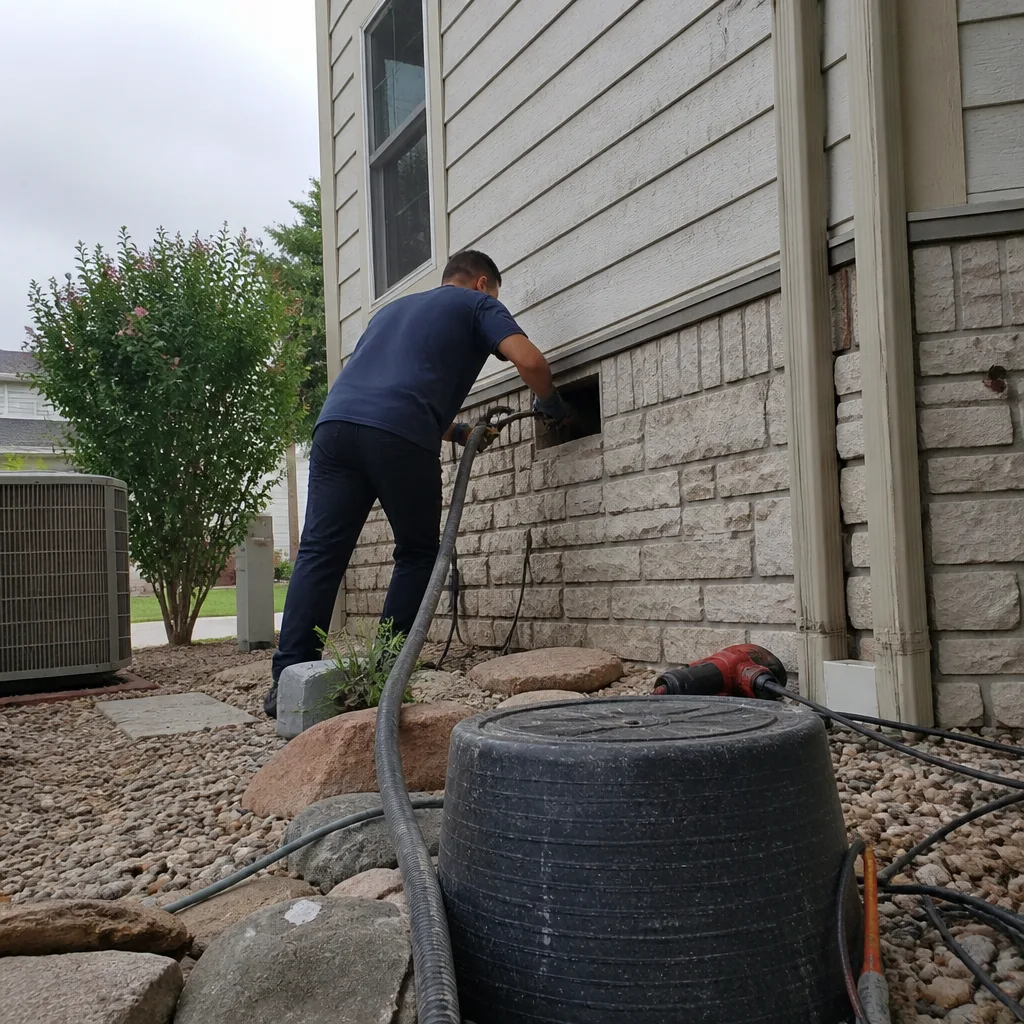 Before
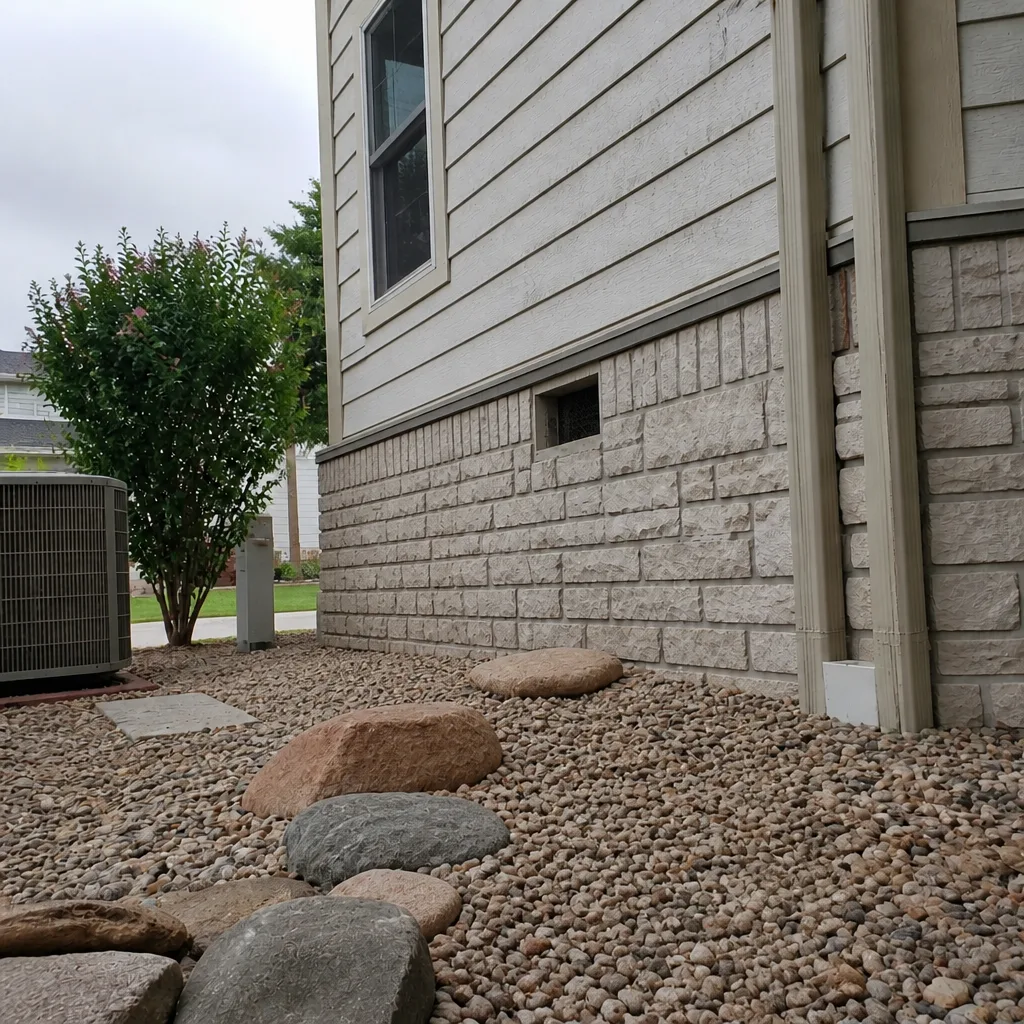 After
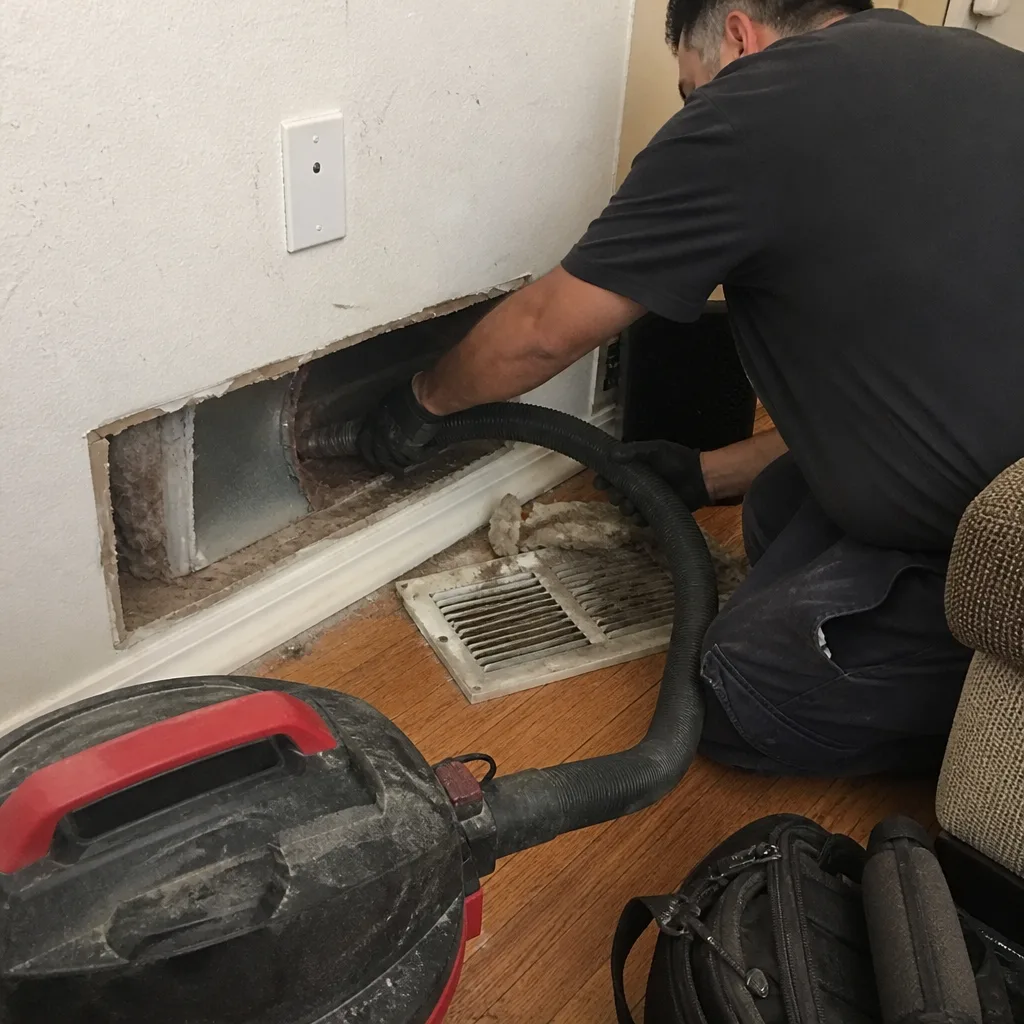 Before
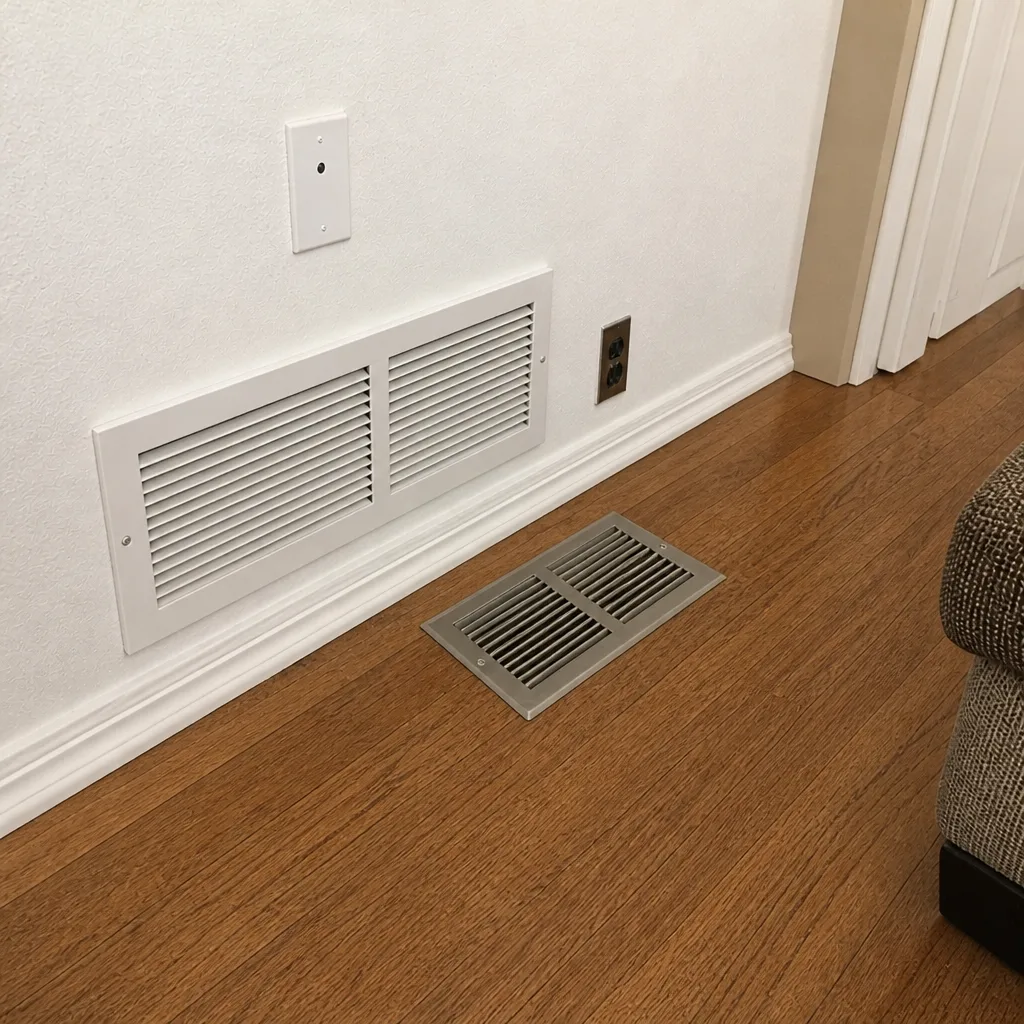 After
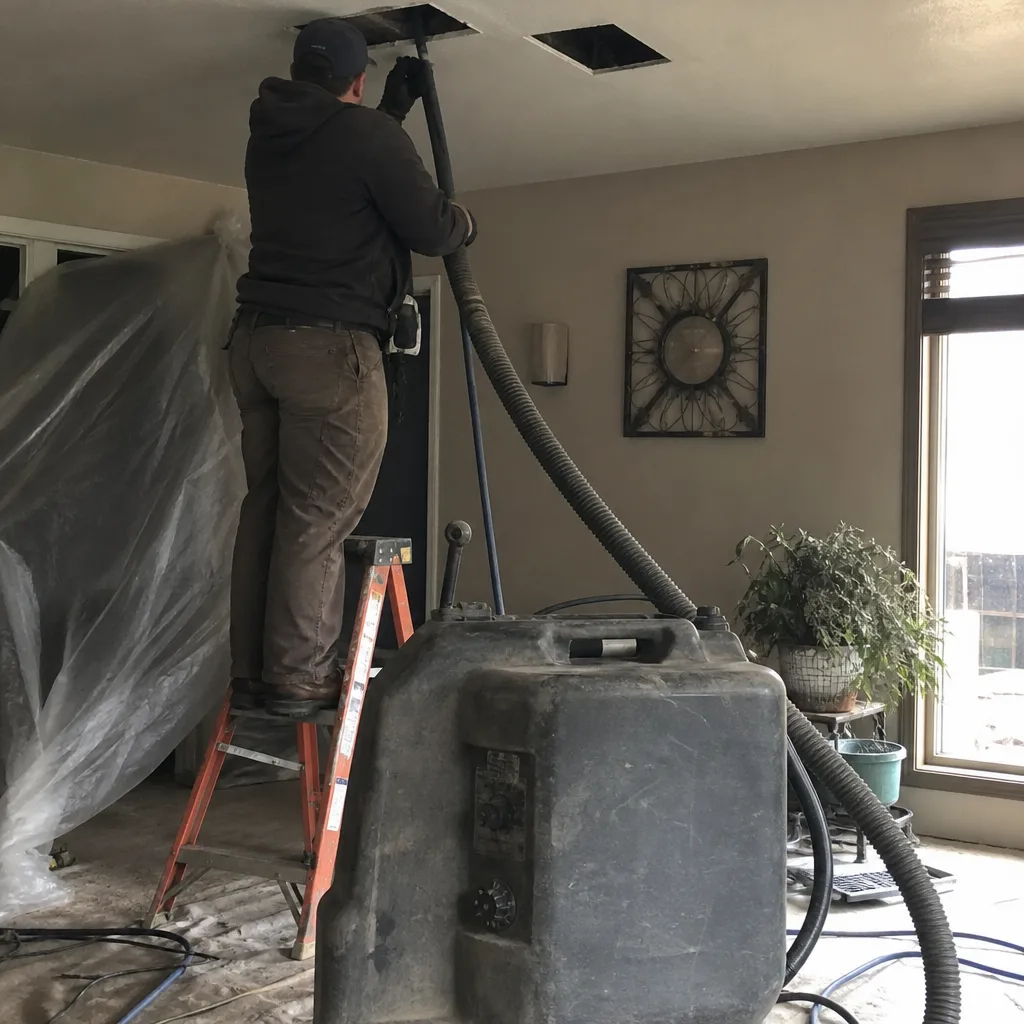 Before
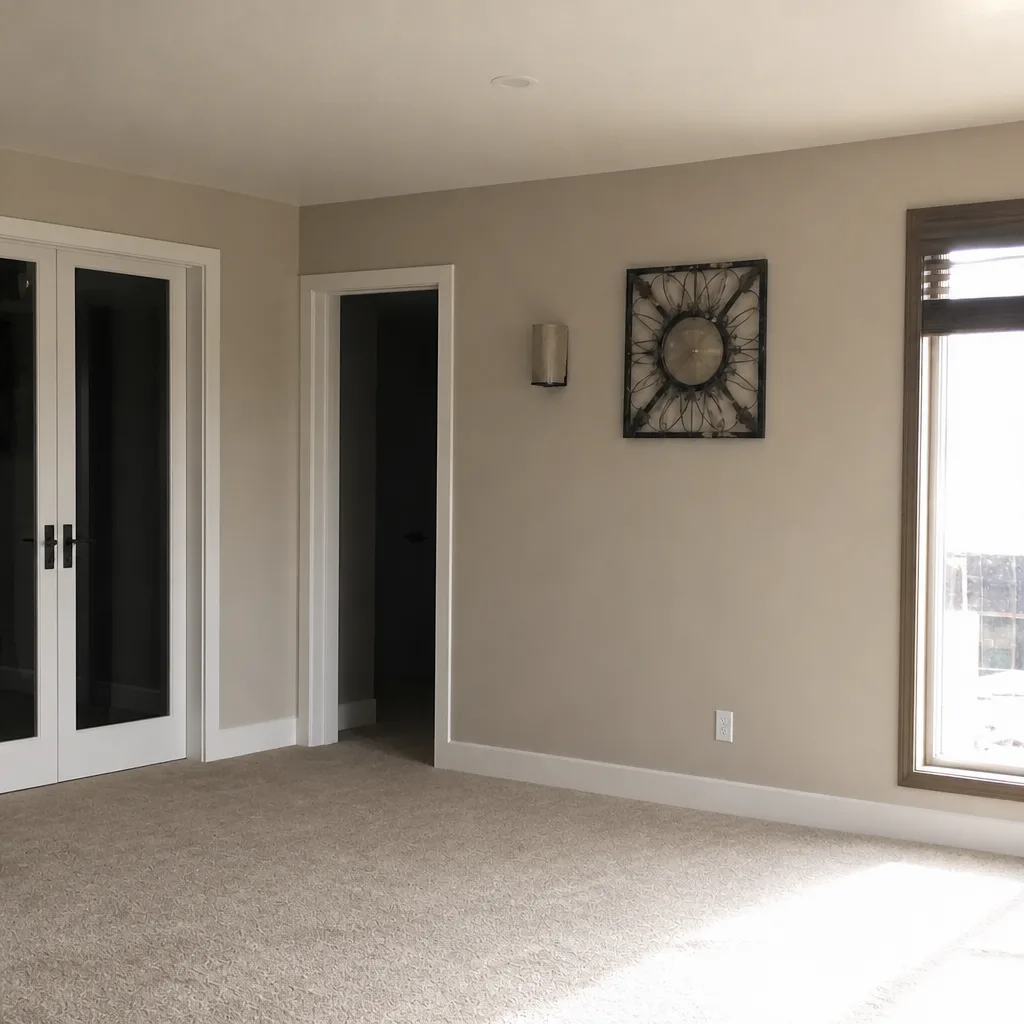 After
When to Call a Professional
Call a professional when you can see dust blowing from registers, when you’ve just finished a renovation, when you’re moving into a resale home in Highlands Ranch and don’t know the history, when you’ve had a moisture event, or when your dryer is taking longer than it used to. You should also call when your system’s been running the same filter for too long and you want an actual inspection rather than a guess about what’s inside. If you’re already investing in a Honeywell or Aprilaire filtration setup, having the ducts professionally cleaned is the sensible way to make sure the air your filtration system is handling starts out clean. Remington Air Duct Cleaning offers free estimates in Highlands Ranch. Call (866) 890-5531. We answer 24/7. Fast dispatch from 7am to 7pm, Sunday through Friday.
Frequently Asked Questions
Most whole-home air duct cleaning in Highlands Ranch runs roughly $300 to $700 for a standard system, and $700 to $1,200 for larger homes with long flex runs or multiple zones. Pricing should be quoted as one flat price per system, not per vent, and the written estimate should itemize vent counts, duct material, and equipment. Call (866) 890-5531 for an exact quote – estimates are free.
Cheap quotes usually reflect cheaper equipment and a shorter process. A shop vac and an extension wand don’t agitate duct walls the way a Rotobrush system does, and without an Abatement Technologies negative-air setup to contain debris during the process, dislodged dust is redistributed rather than captured. You’re not comparing two prices for the same job. You’re comparing two different jobs. Call us for a quote you can benchmark against the $25-$45 per-vent model – estimates are free.
They often do, and the reason is honest: those tract-built subdivisions from the late 1990s and 2000s commonly include long flex duct runs feeding branch lines, and flex requires slower, lower-pressure agitation to avoid damage. That takes more time per foot than sheet metal. Longer runs also mean a longer cycle for the negative-air setup. When a quote for one of these homes comes in unusually low, ask how the crew handles flex safely. Call (866) 890-5531 for a flat price on your specific system.
You should see before-and-after photos of your own duct interiors, confirmation that every register listed on the estimate was removed, cleaned, and re-seated, and evidence that the negative-air containment ran during the job. If a company offers none of those, ask why before you pay. We build all three into the written scope so you’re not guessing. Call (866) 890-5531 to schedule.
There’s no blanket interval. Most homes need duct cleaning after a triggering event – renovation, move-in to a resale home, a visible dust problem, or water intrusion – rather than on a fixed schedule. A periodic inspection every few years is reasonable for a well-maintained home. Dryer vent cleaning is the exception, and annual cleaning is the right habit for most households. Call (866) 890-5531 and we’ll tell you honestly whether your system needs work right now.
A proper written estimate names the number of supply and return vents, breaks down duct material (sheet metal versus flex), names the equipment being used, explicitly includes negative-air containment, states inspection findings, gives one flat price for the whole system, and includes before-and-after photos of your own system in the scope. If any of those are missing, ask for them in writing. Call (866) 890-5531 for a free itemized estimate.
The Bottom Line
The price difference between a $150 duct cleaning and a $600 one is usually mechanical, not profit margin – the gap between a shop vac and a real professional setup with agitation, negative-air containment, and HEPA capture. Our advice is straightforward: benchmark the quote against the per-vent model, ask what equipment is being used, insist on a flat price per system rather than per vent, and demand before-and-after photos of your own ducts. For Highlands Ranch homes built in the 1995-2010 range, expect slightly higher legitimate pricing because of long flex duct runs. Add-ons deserve the same scrutiny – dryer vent cleaning earns every dollar; antimicrobial spray generally does not. If you want a written estimate you can actually benchmark against, our team will walk the system and quote it flat. Call (866) 890-5531 for a free estimate in Highlands Ranch. We answer 24/7. Fast dispatch from 7am to 7pm, Sunday through Friday. Dryer vent service and dryer vent cleaning are quoted separately and priced on the same principle: flat per job, agreed before we start. And when we find something the cleaning can’t fix – a torn flex run, a crushed branch, a disconnected joint – air duct repair is available as a separate service so you’re not cleaning around the problem. If you’re working with a Honeywell or Aprilaire filtration system, we’re trained to work with and around those components during cleaning. For a broader look at our services, visit Remington Air Duct Cleaning.
Written by the team at Remington Air Duct Cleaning.